Best Welding Machines: Types, Uses, and How to Choose
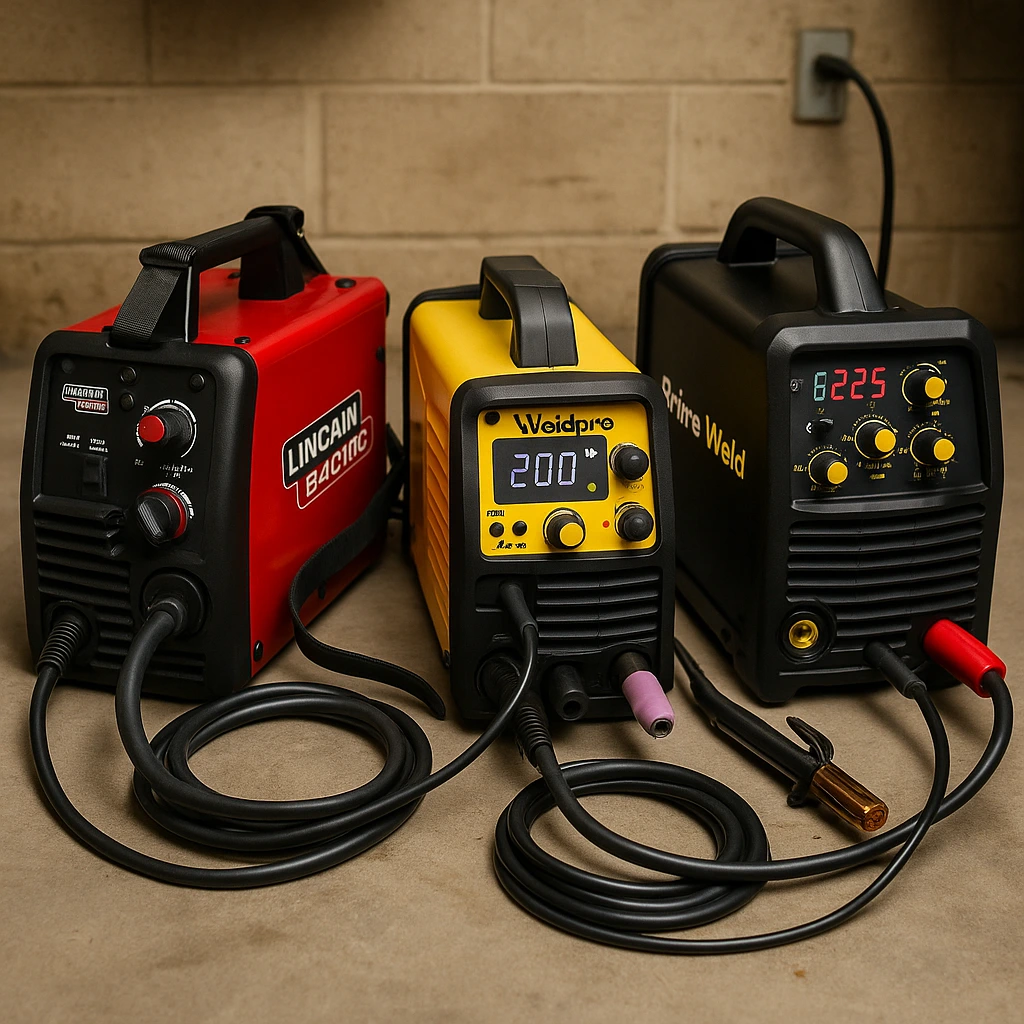
Disclosure: This post contains affiliate links. As an Amazon Associate, I earn from qualifying purchases—at no extra cost to you.
Last Updated: January 2026
Choosing the right welding machine depends on more than brand names or price tags. Welding process, material type, power requirements, and skill level all affect which machine makes sense for a given job.
Whether you’re new to welding or upgrading your shop, understanding which machine type matches your materials and projects is essential before comparing specific models. Different machines are designed around different processes and applications, and choosing without that context often leads to poor fit or unnecessary limitations.
This page organizes welding machine guides by decision stage, process type, and application. The goal is to clarify how different welding machines are used in real-world scenarios, helping readers narrow down the right category before focusing on specific options.
🔍 Start Here: Choosing the Right Welding Machine
If you’re unsure which welding process or machine type to start with, these guides explain the decision logic before any comparisons.
These posts focus on matching machines to projects, materials, and learning goals, not product rankings.
🔍 Best Welding Machines by Category
Once you understand what you’re looking for, these comparison guides break machines down by use case.
Each guide compares machines based on capabilities, power options, and typical applications, using manufacturer specifications and documented user feedback.
🔍 Best Welders by Process Type
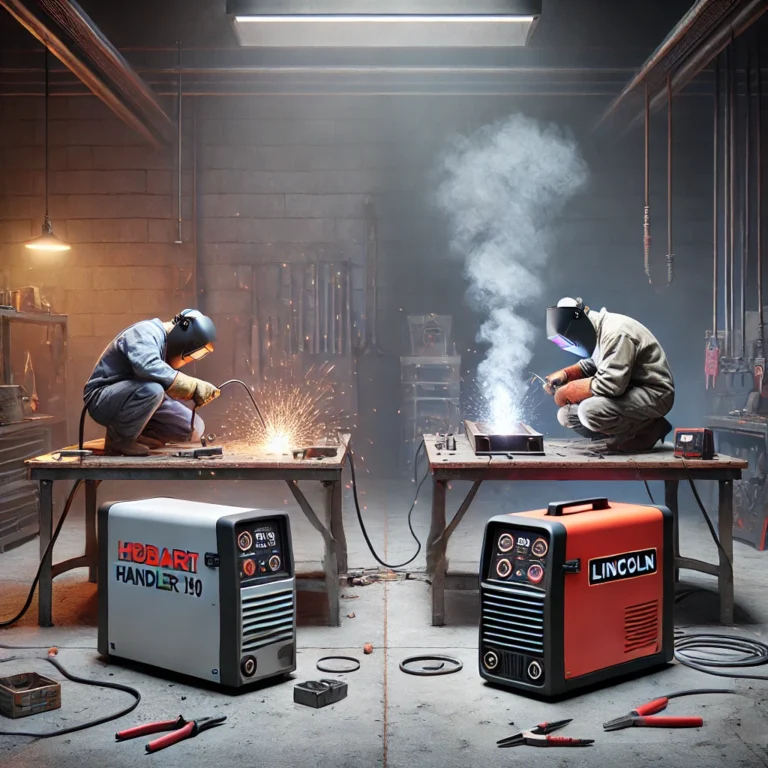
Different welding processes require different machine designs and capabilities. These guides focus on the most common entry points for home and shop use, comparing specific machines suited to each process.
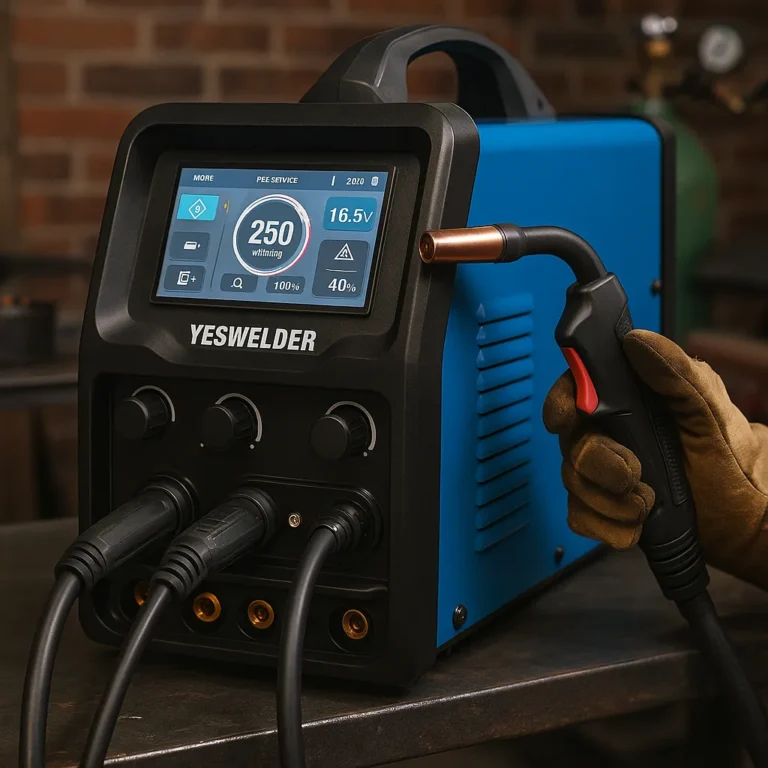
- Best MIG Welder for Beginners
- Best Stick Welder for Beginners
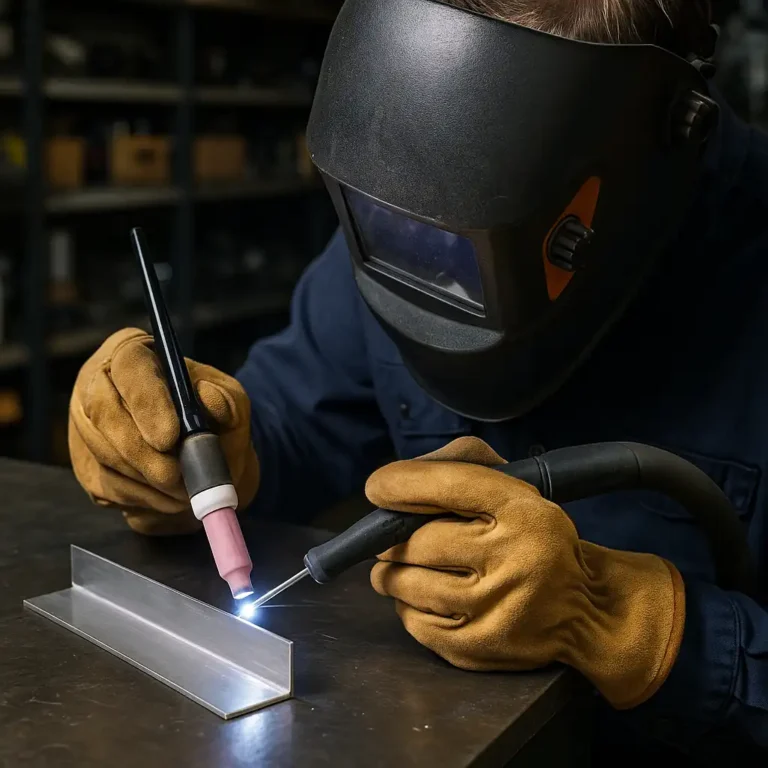
- Best TIG Welder for Aluminum and Stainless Steel
Each post explains why certain machines suit that process, not just which models are popular.
🔍 Understanding Welding Processes and Use Cases
These foundational guides explain how welding processes work and where they’re commonly used.
Understanding the process helps prevent buying a machine that doesn’t fit the job.
🔍 Skill Level, Technique, and Technical Context
Machine choice is closely tied to skill expectations and technical requirements.
These guides provide realistic expectations around learning curve, strength, and advanced applications.
🔍 Supporting Tools and Equipment
Welding machines are only part of the setup.
This guide outlines the safety gear, preparation tools, and accessories commonly used alongside welding machines.
📌 Key Takeaways
- The “best” welding machine depends on process, material, and application
- Beginners benefit from understanding process differences before buying
- MIG, Stick, and TIG machines serve very different use cases
- Skill level and technical requirements matter as much as machine specs
- Supporting tools and safety equipment are essential parts of any setup
✅ Conclusion
The right welding machine isn’t determined by hype or price alone. By understanding welding processes, machine categories, and real-world use cases, it becomes much easier to choose equipment that fits both current projects and future skill growth.