Best Welding Rod for Rusty Metal: E6011 vs E6010

Disclosure: This post contains affiliate links. As an Amazon Associate, I earn from qualifying purchases—at no extra cost to you.
Last Updated: February 2026
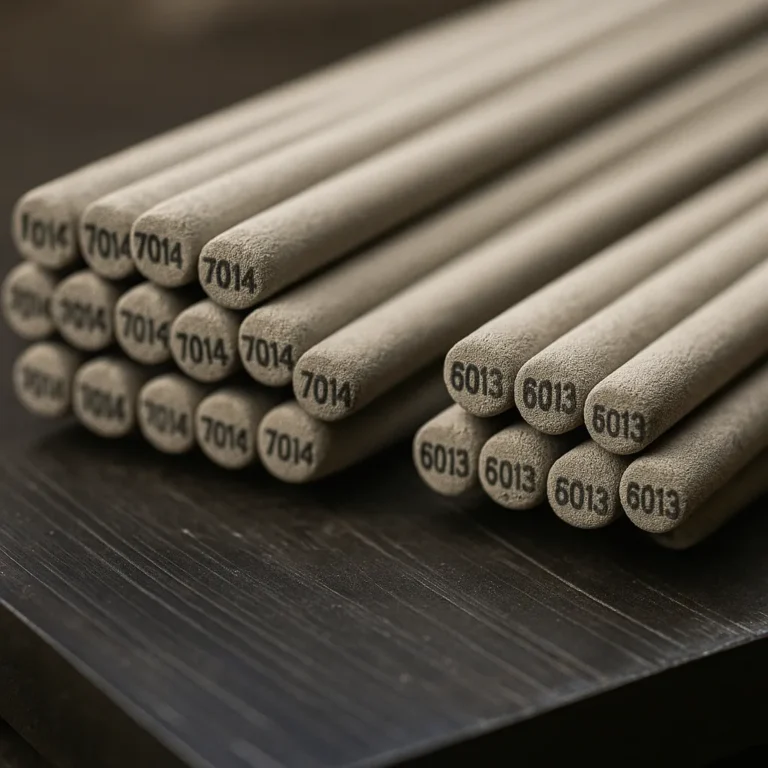
Selecting the best welding rod for rusty metal depends on penetration strength, arc force, and tolerance for surface contamination. Based on manufacturer specifications and aggregated user feedback, E6011 and E6010 welding rods are the most commonly recommended electrodes for welding steel that has rust, paint, mill scale, or other surface impurities.
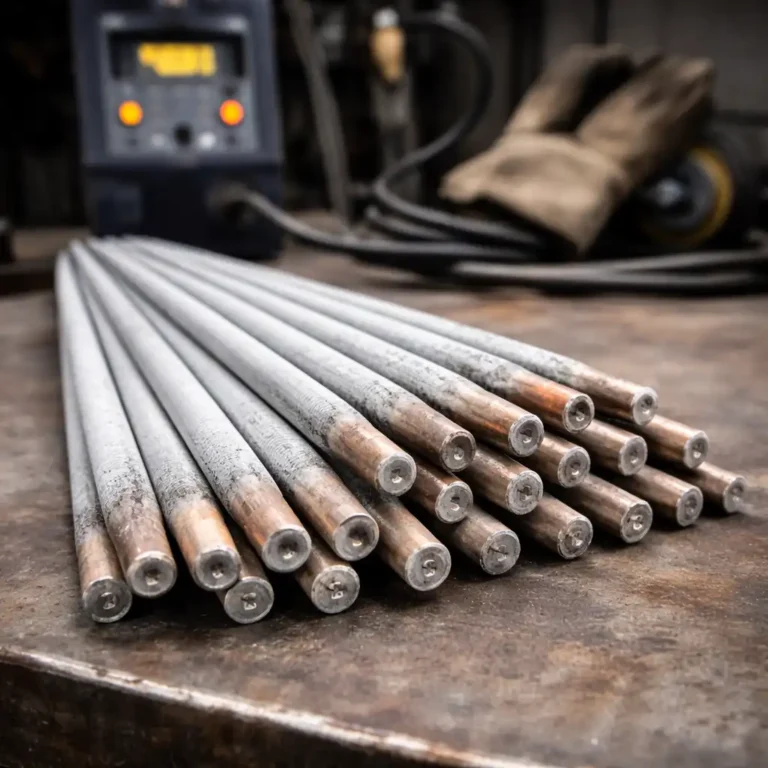
Rusty or unprepared metal presents challenges for many stick electrodes. Rods designed for cleaner steel can struggle with arc stability and fusion. Electrodes like E6011 and E6010 are engineered to dig through contamination and establish a stable weld puddle where other rods fail.
This guide evaluates welding rods for rusty metal using manufacturer data, verified purchaser feedback, and AWS stick welding standards.
👉 Before diving deeper, see our complete guide to best welding rods for different materials and applications to understand how surface-tolerant rods compare to general-purpose and low-hydrogen options.
💰 Check Price & Availability
View on Amazon – Forney 31101 E6011 Welding Rod 3/32″ (1 lb)
View on Amazon – Hobart E6011 Welding Rod 3/32″ (1 lb)
View on Amazon – Lincoln Electric Fleetweld 5P+ E6010 Welding Rod 3/32″ (1 lb)
📋 Quick-View Comparison List
- E6011 provides strong penetration on rusty and painted steel
- E6010 offers aggressive arc force for heavily contaminated metal
- 3/32″ diameter suits common repair amperage ranges
- Designed for pipe, farm, repair, and outdoor welding
- Cellulosic flux improves arc stability on dirty surfaces
📋 How We Evaluate Welding Rods for Rusty Metal
This research-based guide compares welding rods using:
- Manufacturer electrode classifications and specifications
- Aggregated user feedback from verified purchasers
- AWS (American Welding Society) SMAW electrode standards
- Surface tolerance and penetration characteristics documented for repair welding
We do not personally test welding consumables. Recommendations are based on documented specifications, user-reported trends, and industry standards.
🔍 Why E6011 and E6010 Work on Rusty Steel
According to AWS electrode classifications, both E6011 and E6010 are cellulosic electrodes designed to produce a forceful arc that penetrates through rust, paint, and light oil contamination. Their flux formulations generate shielding gases that stabilize the arc even when surface preparation is limited.
Manufacturer guidance and user feedback consistently show that these rods are favored for repair work, field welding, and maintenance tasks where perfect cleaning is impractical. Compared to low-hydrogen rods, they are more forgiving of surface conditions but produce higher spatter levels.
🔍 E6011 vs E6010: Key Differences
E6011 electrodes are designed to run on both AC and DC welding machines, making them accessible for a wide range of equipment. They offer strong penetration while remaining relatively manageable for general repair welding.
E6010 rods, by contrast, are DC-only electrodes with a more aggressive arc. AWS documentation notes that E6010 is commonly used in pipe welding and structural repair where maximum penetration is required. This increased arc force makes E6010 less forgiving but highly effective on heavily rusted steel.
📦 Forney 31101 E6011 Welding Rod 3/32″
Based on manufacturer specifications, the Forney 31101 E6011 welding rods are designed for mild steel welding on rusty, painted, or galvanized surfaces. The 3/32″ diameter aligns with common repair amperage ranges.
Aggregated user feedback highlights reliable arc starts and strong penetration, making these rods a common choice for farm repairs and maintenance work.
Based on manufacturer specifications and aggregated user reviews. This designation reflects technical capabilities and documented user experiences, not personal testing.
📦 Hobart E6011 Welding Rod 3/32″
Hobart’s E6011 welding rods are intended for dirty or unprepared steel where deeper penetration is required. Manufacturer data emphasizes compatibility with AC and DC welding machines.
User feedback frequently notes stable arc behavior and acceptable bead formation on rusty metal, particularly for repair-focused applications rather than cosmetic welds.
Based on manufacturer specifications and aggregated user reviews. This designation reflects technical capabilities and documented user experiences, not personal testing.
📦 Lincoln Electric Fleetweld 5P+ E6010 Welding Rod 3/32″
The Lincoln Electric Fleetweld 5P+ E6010 welding rods are designed for high-penetration welding on heavily contaminated steel. Manufacturer specifications indicate DC-only operation with a forceful digging arc.
According to aggregated user feedback, these rods are commonly selected for pipe welding and demanding repair situations where surface cleaning is limited and penetration is critical.
Based on manufacturer specifications and aggregated user reviews. This designation reflects technical capabilities and documented user experiences, not personal testing.
📌 Key Takeaways
- E6011 and E6010 are preferred for welding rusty or painted steel
- Cellulosic flux enables penetration through surface contamination
- E6011 offers broader machine compatibility
- E6010 provides maximum penetration but requires DC power
- Surface preparation still improves weld quality when possible
⚠️ Safety & Training Requirements
Welding involves significant electrical, fire, burn, and eye injury hazards. This guide provides general equipment information only and does not substitute for:
- Proper welding training and certification
- Manufacturer safety instructions
- Electrical work performed by qualified electricians
- Appropriate personal protective equipment (PPE)
Consult certified welding instructors and follow all OSHA and AWS safety standards.
🟢 FAQs
Q: Can you weld directly over rust without cleaning?
According to AWS guidance, E6011 and E6010 rods can tolerate rust and surface contamination, but removing loose rust improves weld quality. Consult qualified professionals for personalized advice.
Q: Is E6010 better than E6011 for rusty metal?
E6010 offers more aggressive penetration, while E6011 provides broader machine compatibility. Selection depends on power source and contamination level. Consult qualified professionals for personalized advice.
Q: Are low-hydrogen rods suitable for rusty steel?
AWS documentation indicates that low-hydrogen rods generally require clean surfaces and are not recommended for rusty metal. Consult qualified professionals for personalized advice.
✅ Conclusion
Based on manufacturer specifications, AWS standards, and aggregated user feedback, E6011 and E6010 welding rods are the most reliable choices for welding rusty metal. E6011 offers versatility across AC and DC machines, while E6010 delivers maximum penetration for heavily contaminated steel. Choosing the appropriate rod depends on surface condition, power availability, and repair demands.