How to Clean Welding Gear the Right Way (Jackets, Gloves, Sleeves & More)
Disclosure: This post contains affiliate links. As an Amazon Associate, I earn from qualifying purchases—at no extra cost to you.
Last Updated: December 2025
Welding gear gets dirty fast. Between smoke, dust, and stray sparks, your jackets, gloves, and sleeves pick up grime almost every time you light up. If you don’t clean them regularly, they stiffen up, trap heat, and lose some of the protection you rely on.
The good news is that most gear doesn’t need complicated care. A few simple habits can help everything last longer and feel better when you’re working.
👉 If you’re reviewing or upgrading your overall setup, our complete guide to welding safety gear breaks down PPE basics, materials, and when protective gear should be replaced.
🔍 Start With FR Jackets and Shirts
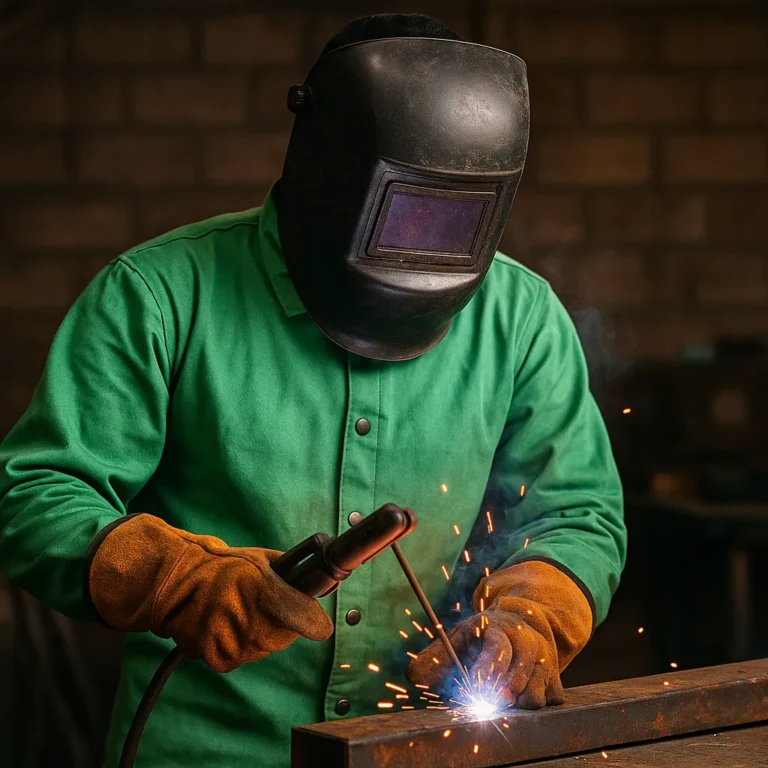
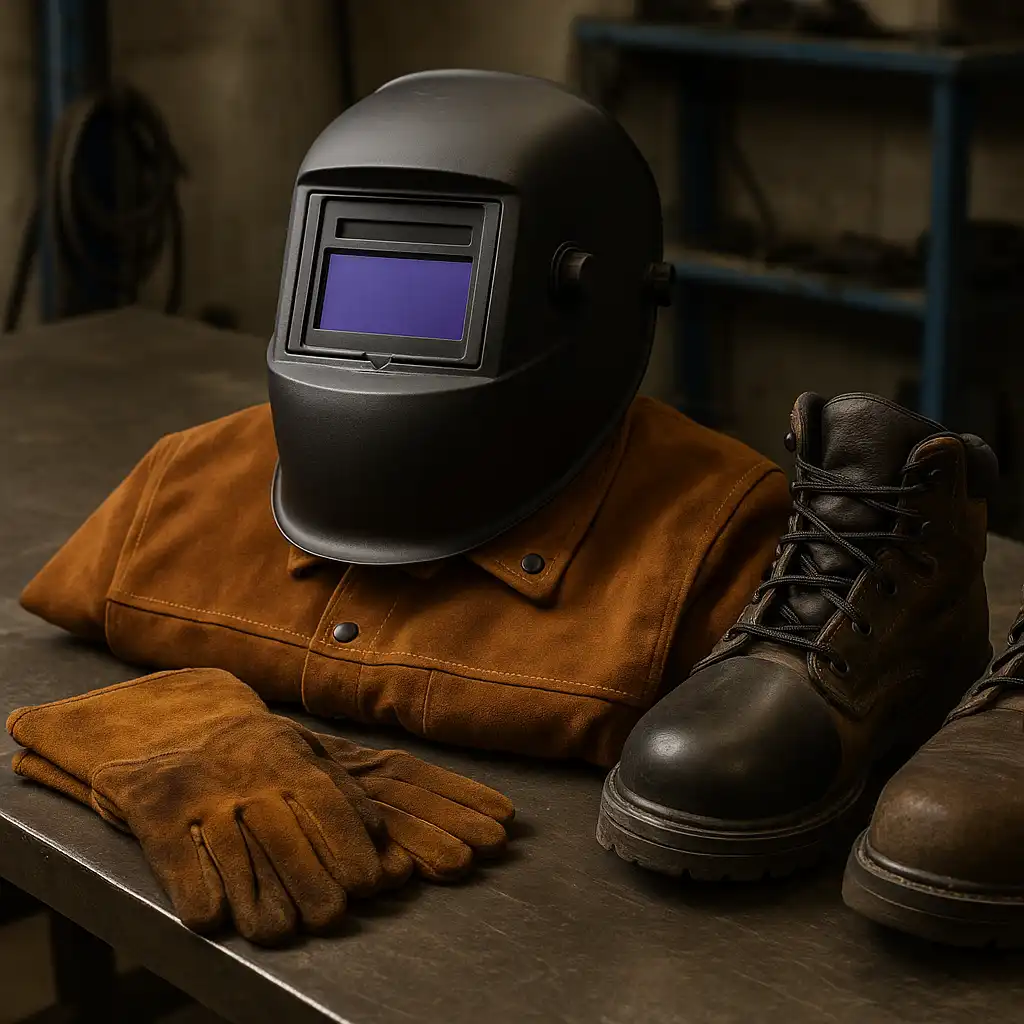
FR cotton jackets are easy to maintain as long as you treat them gently. Wash them with mild detergent, skip the bleach and softeners, and run them on a normal or gentle cycle. These chemicals can weaken the FR treatment and shorten the jacket’s life.
Air-drying is the safest way to keep the fabric from shrinking. Low dryer heat works too, but high heat can make the jacket stiff. Cleaning it every few sessions keeps smoke and soot from building up and helps it stay breathable.
🔍 Cleaning Leather Gloves, Sleeves, and Aprons
Leather welding gear needs simple, hands-on care. Brush off loose dust, wipe the surface with a damp cloth, and let it dry naturally. Once dry, a small amount of leather conditioner keeps it flexible so it doesn’t crack after a long week in the shop.
If your gloves are seriously dirty, saddle soap can help. Just avoid soaking leather — once it dries, it becomes stiff and uncomfortable.
🔍 Removing Metal Dust and Shop Grime
Metal dust settles deeper than most welders realize. A quick shake helps, but a shop vac with a brush attachment does a much better job pulling dust out of seams and folds.
Working downward with the brush keeps the fabric cleaner and improves airflow. You’ll notice the difference right away with lighter hot-weather jackets.
🔍 Caring for Helmets and Lenses
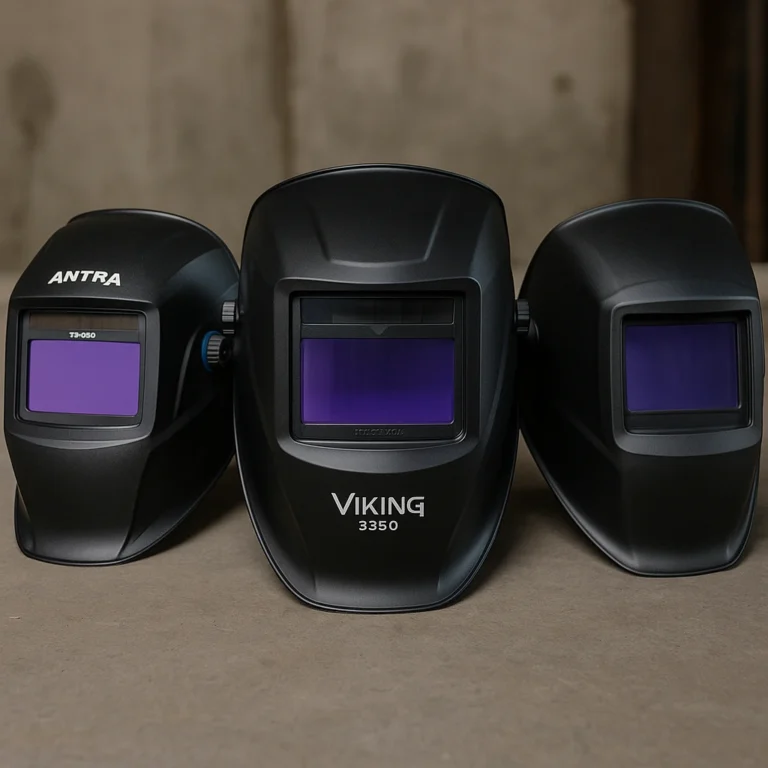
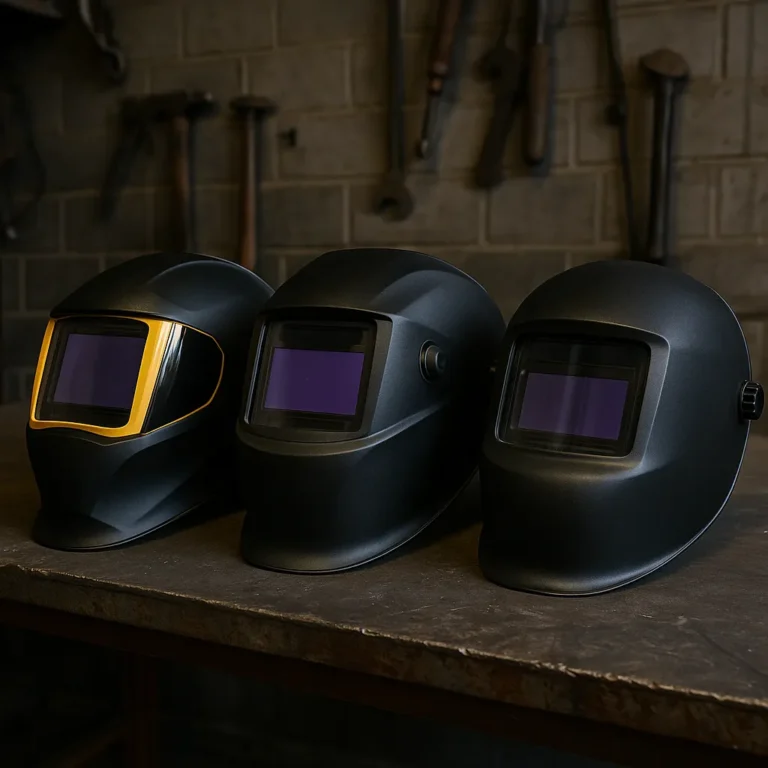
Welding helmets wipe clean easily, but the lenses and sensors need a softer touch. A microfiber cloth and gentle cleaner prevent scratches and keep the auto-darkening sensors clear.
Sweatbands and padding collect dirt quickly, especially in warm shops. Washing or replacing them helps the helmet stay comfortable and reduces fogging. Inner cover lenses should be swapped when they start to look hazy.
🔍 Keeping Welding Boots and Met-Guard Gear Clean
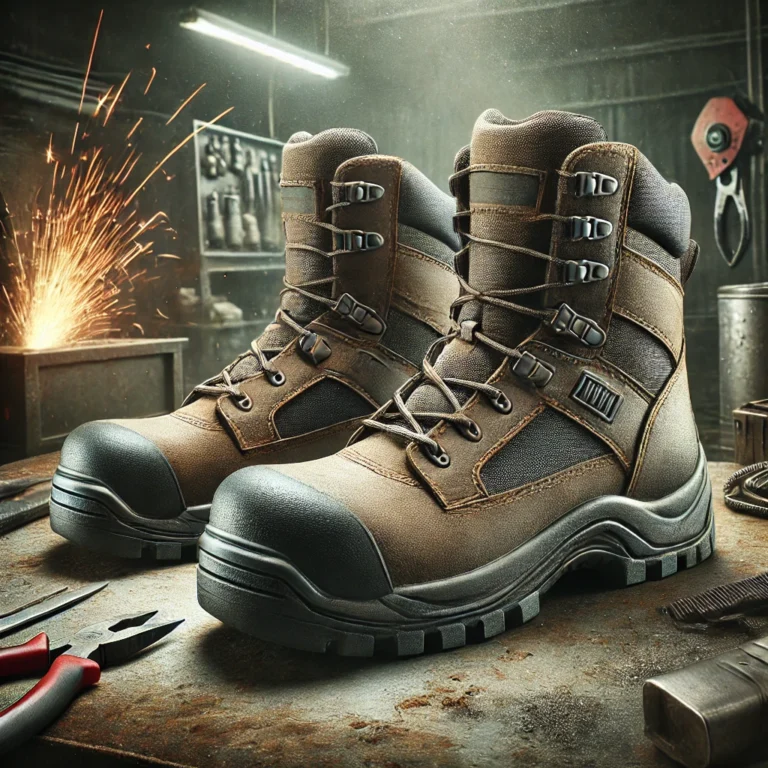
Boots pick up slag, dust, and oil throughout the day. A stiff brush removes most of it. Conditioning leather boots keeps them from drying out, which is especially useful if you weld outdoors or work in hot environments.
Met-guard boots benefit from quick wipe-downs so debris doesn’t bake into the guard. Keeping them clean improves comfort and helps them last through heavier grinding or Stick work.
📌 Key Takeaways
- FR cotton jackets should be washed gently and air-dried
- Leather gear needs wiping and conditioning, not machine washing
- Removing dust keeps jackets and sleeves flexible and breathable
- Helmet lenses last longer with soft, non-abrasive cleaning
- Boots and met-guards benefit from regular brushing and light care
🟢 FAQs
Q: Can I wash FR jackets with regular laundry?
It’s best to wash them separately so chemicals from other clothes don’t weaken the FR treatment.
Q: What’s the right way to clean welding gloves?
Brush them off, wipe with a damp cloth, and condition them once they’re dry.
Q: How often should welding gear be cleaned?
A quick wipe-down after each session and a deeper clean every few uses keeps your PPE in good shape.
Q: Are strong cleaners okay?
Avoid them on FR fabrics and leather. They can strip coatings or dry out the material.
✅ Conclusion
Keeping your welding gear clean doesn’t take much time, but it goes a long way in keeping you safer and more comfortable. A clean jacket breathes better, leather stays flexible, lenses stay clear, and boots handle longer days in the shop. With a little routine care, your PPE protects you the way it should every time you weld.