Best Welding Helmets: Buying Guide, Safety, and Real-World Use
Disclosure: This post contains affiliate links. As an Amazon Associate, I earn from qualifying purchases—at no extra cost to you.
Last Updated: January 2026
Choosing the best welding helmet isn’t about brand hype or stacking features you’ll never touch. It’s about protecting your eyes, seeing the puddle clearly, and staying comfortable through long sessions at the bench. A helmet that fits poorly, weighs too much, or has the wrong lens setup can make even simple welds feel harder than they should.
This hub pulls together all of Welderology’s welding helmet guides in one place. It’s built for beginners, weekend welders, and experienced hands who want clear, practical advice on helmet safety, fit, lens technology, and real-world performance—without marketing fluff or guesswork.
🔍 Understanding Welding Helmet Types and Technology
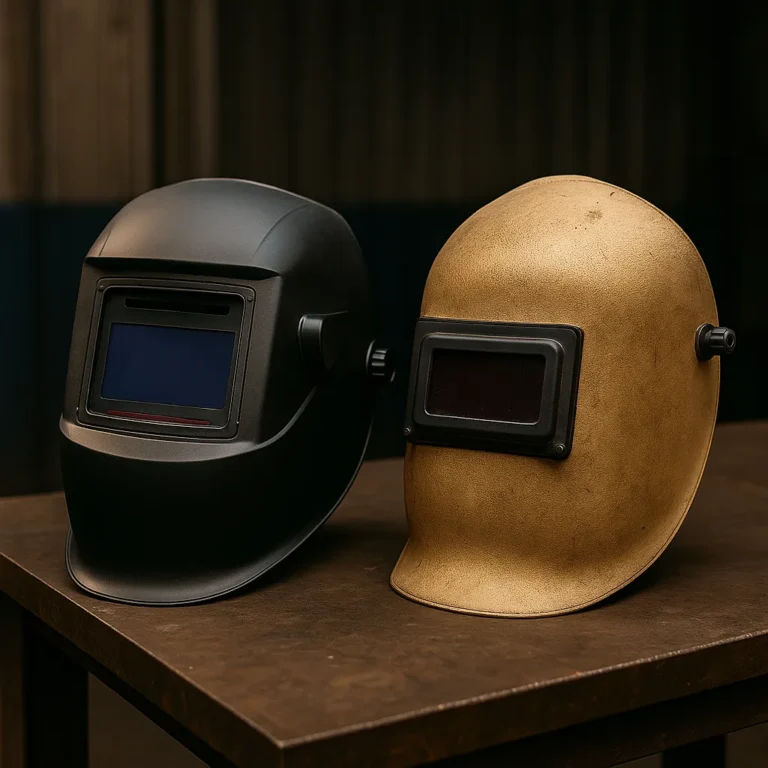
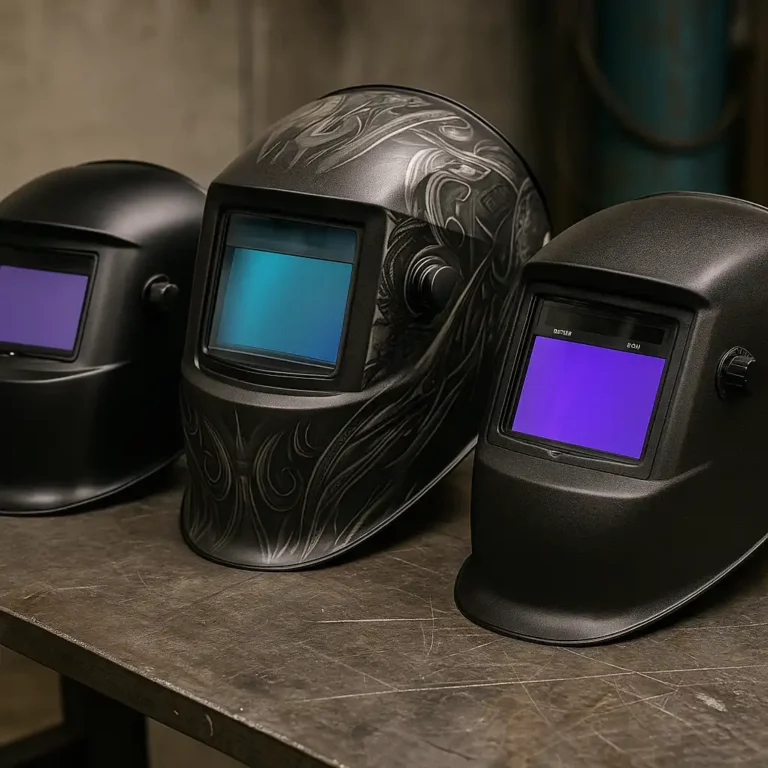
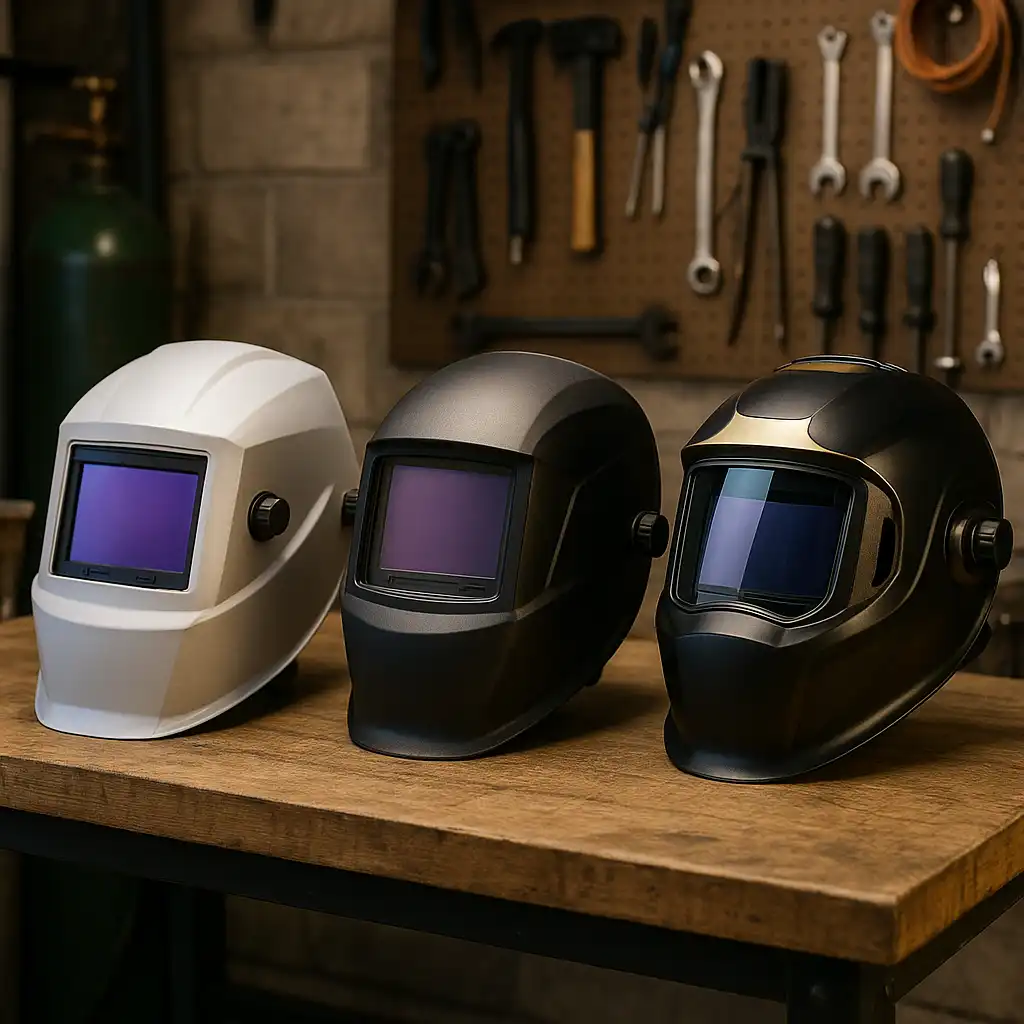
Welding helmets have come a long way from basic fixed-shade designs. Today’s options range from simple passive helmets to advanced auto-darkening models with large viewing areas and adjustable sensitivity. How a helmet reacts when the arc strikes plays a big role in comfort, visibility, and eye strain over time.
These guides explain how welding helmet technology actually works and what those features mean when you’re under the hood—not just reading specs online.
- Best Auto-Darkening Welding Helmet Reviews
- What Is an Auto-Darkening Welding Helmet?
- Passive vs Auto-Darkening Welding Helmet: Key Differences
If you’re debating whether newer helmet tech is worth upgrading to, this is the right starting point.
🔍 Choosing the Right Shade and Lens Setup
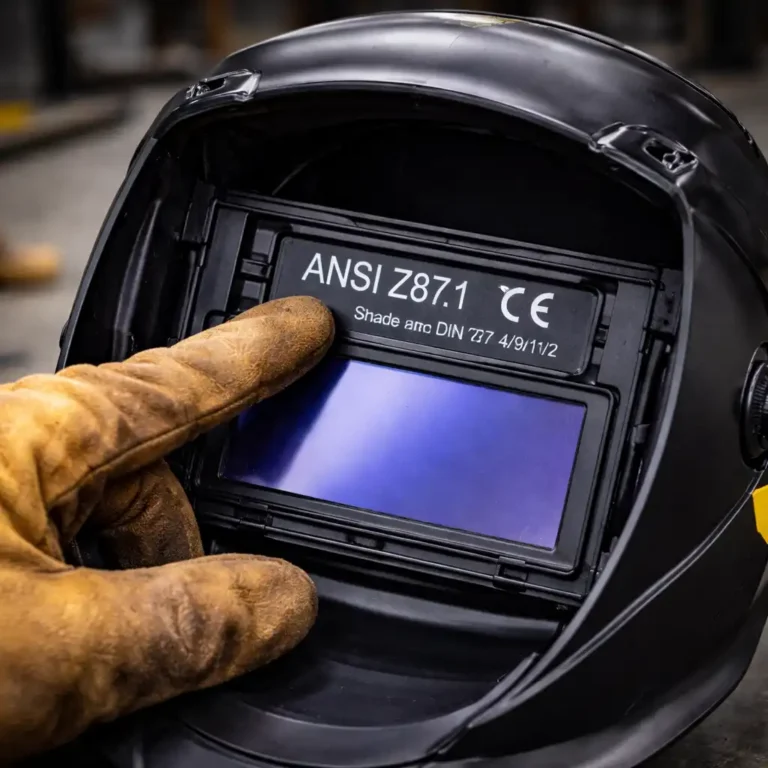
Shade selection is one of the most overlooked parts of welding helmet safety. A shade that’s too light can lead to eye strain or arc flash. Too dark, and you end up guessing where the puddle is instead of controlling it.
These guides focus on shade levels, lens clarity, and safety limits so you can match your helmet to the way you actually weld.
They’re especially useful if you switch between MIG, TIG, and stick welding or work in changing shop lighting.
🔍 Best Welding Helmets by Use Case
There’s no single welding helmet that works best for everyone. The right choice depends on your budget, the process you run most, and how many hours a day you’re under the hood.
These guides break helmets down by real-world use so you can narrow your options without paying for features you don’t need.
- Best Welding Helmet for Beginners
- Best Welding Helmet for the Money
- Best Welding Helmet for TIG Welding
- Best Welding Helmets for MIG and Stick Welding
- Best Panoramic Welding Helmet
- Best Lightweight Welding Helmet
If fatigue, visibility, or neck strain has been an issue with your current helmet, these comparisons help you focus on what actually makes a difference.
🔍 Helmet Fit, Comfort, and Everyday Use
A helmet can look great on paper and still feel wrong after an hour of work. Poor headgear adjustment, extra weight, or dirty lenses all add up over time, leading to neck strain, headaches, and reduced visibility.
These guides focus on fit, maintenance, and everyday care that keeps your helmet comfortable and dependable.
- How to Adjust a Welding Helmet for Proper Fit
- How to Choose a Welding Helmet
- How to Clean a Welding Helmet Without Damaging It
- Welding Helmet Lens Replacement: When and How to Do It
If your helmet feels heavier, dimmer, or harder to see through than it used to, this is the section to start with.
🔍 Safety Standards, Accessories, and Comparisons
Beyond fit and lenses, helmet safety also comes down to certifications, accessories, and how different models compare side by side.
These guides cover safety standards and add-ons that affect long-term protection and day-to-day usability.
- Welding Helmet Safety Standards Explained
- Welding Helmet Accessories That Improve Comfort and Use
- Welding Helmet Buying Guide: What Actually Matters
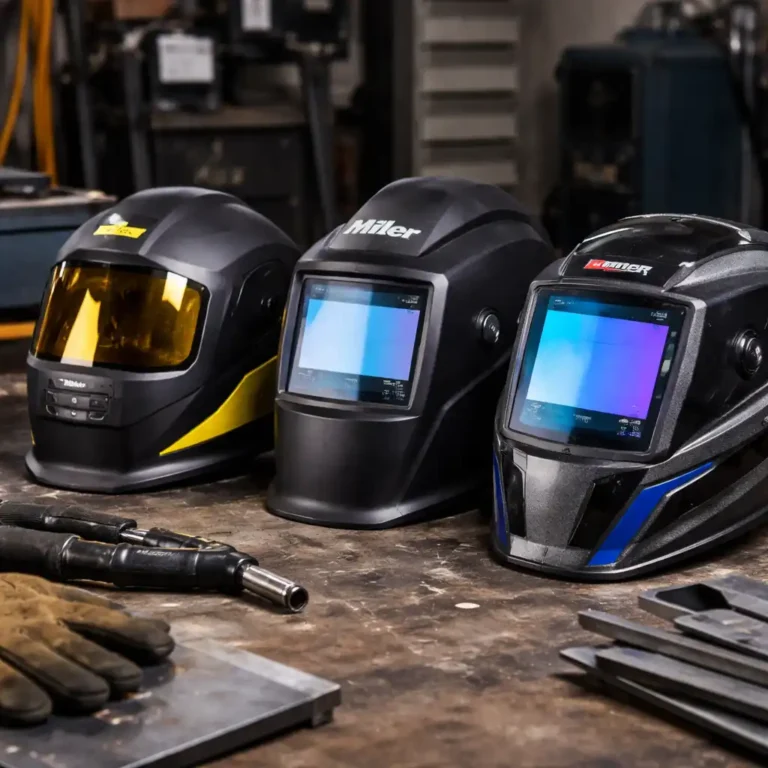
- Welding Helmet Comparison Chart: Side-by-Side Breakdown
They’re helpful if you’re upgrading, replacing an older helmet, or comparing a few options at once.
📌 Key Takeaways
- Welding helmets vary widely in protection, comfort, and visibility
- Auto-darkening helmets add convenience but still require proper setup
- Correct shade selection is critical for eye safety and weld control
- Lightweight and panoramic designs help reduce fatigue over long sessions
- Regular cleaning and lens replacement keep helmets performing properly
🟢 FAQs
Q: What is the safest type of welding helmet?
Auto-darkening helmets with a proper shade range and reliable sensors are safe when set correctly. Passive helmets can also be safe when matched properly to the welding process.
Q: Are expensive welding helmets worth it?
Often yes, especially if you weld regularly. Better optics, lighter weight, and improved comfort make a noticeable difference over time.
Q: Can a welding helmet damage your eyes if it’s set wrong?
Yes. Using the wrong shade or a helmet that doesn’t darken reliably can lead to eye strain or arc flash.
Q: How often should you replace a welding helmet lens?
Protective lenses should be replaced whenever they become scratched, cloudy, or hard to see through.
✅ Conclusion
The best welding helmet is the one that protects your eyes properly, fits comfortably, and matches how you weld day to day. Whether you’re buying your first helmet or replacing an older one, understanding helmet types, lens technology, and real-world comfort helps you make a safer, smarter choice. This hub brings everything together so you can choose confidently before committing to a new helmet.