Best Welding Helmet for TIG Welding: Precision Picks for Low-Amperage Control and Clean Visibility

Disclosure: This post contains affiliate links. As an Amazon Associate, I earn from qualifying purchases—at no extra cost to you.
Last Updated: January 2026
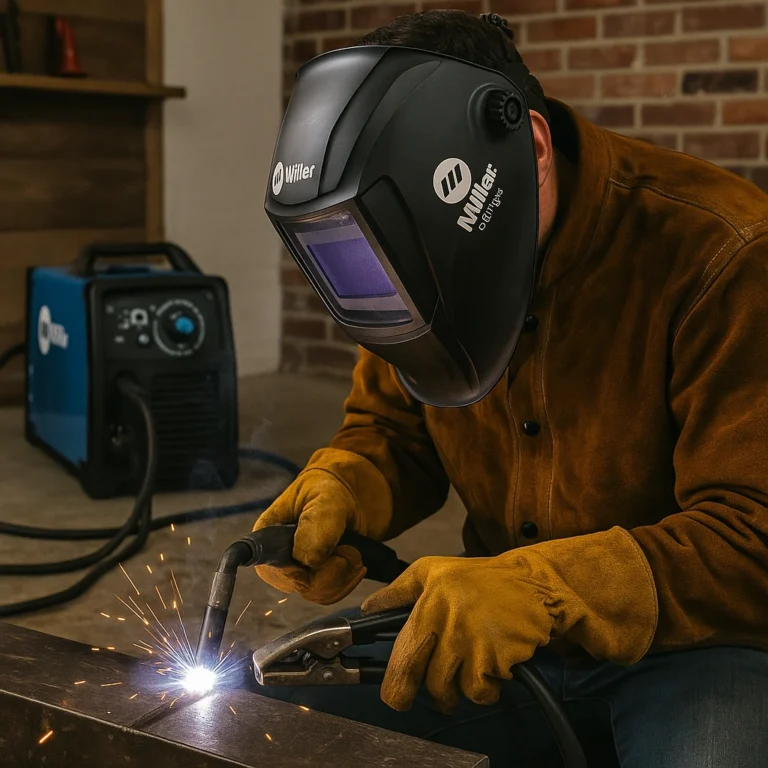
TIG welding is far less forgiving than most other welding processes. Low amperage arcs, tight joints, and small puddles leave very little room for error. If a helmet struggles to pick up faint arcs or gives a washed-out view, it shows up immediately in weld quality and eye fatigue.
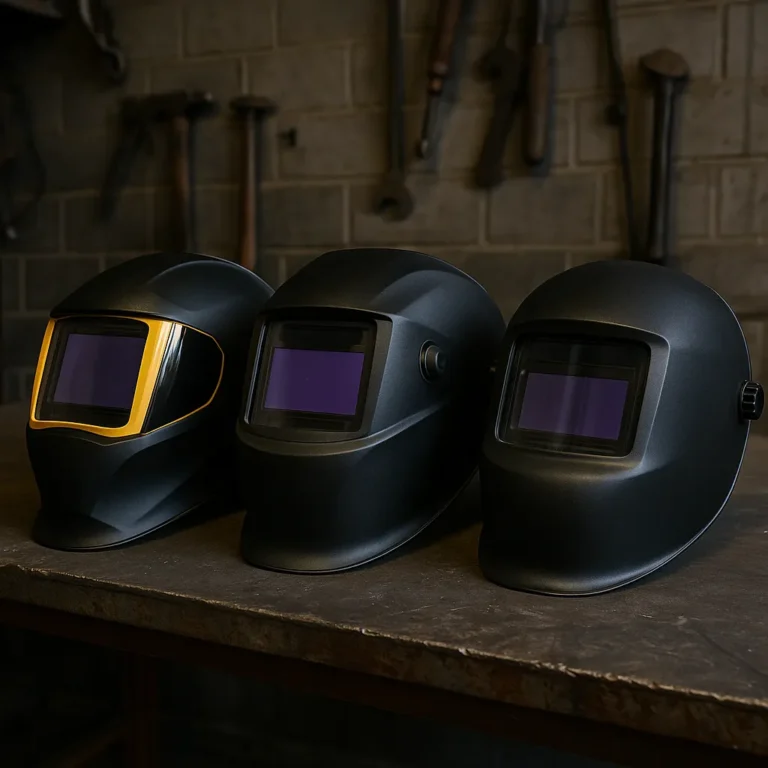
The best welding helmets for TIG welding prioritize sensitive arc detection, clean optics, and stable auto-darkening performance. The three helmets below are built to handle low-current TIG work while still offering the consistency and comfort needed for long sessions and precision jobs.
👉 If you want a broader comparison across price levels and welding styles, see our guide to the best welding helmets for a full breakdown.
💰 Check Price & Availability
View on Amazon – Miller Digital Performance ClearLight 4X Auto Darkening Welding Helmet
View on Amazon – ESAB Sentinel A60 Welding Helmet
View on Amazon – ESAB Sentinel A50 Welding Helmet
📋 Quick-View Comparison List
Best Overall TIG Welding Helmet: Miller Digital Performance ClearLight 4X
Best Low-Amperage TIG Control: ESAB Sentinel A60
Best Precision TIG Interface & Presets: ESAB Sentinel A50
🔍 What Makes a Welding Helmet Good for TIG Welding
TIG welding often runs at very low amperage, especially when working on thin materials or detailed joints. At those levels, a helmet must detect the arc cleanly without flicker or delay.
Clear optics are just as important. Being able to see the puddle edges, filler rod, and base metal makes it easier to control heat input and bead shape. Helmets with true color or advanced lens technology reduce eye strain and help subtle details stand out.
Fast switching speed, adjustable sensitivity, and stable shade performance all matter more for TIG welding than for most other processes.
🔍 Low-Amperage Detection and Lens Technology Explained
A TIG-capable helmet should reliably detect arcs down to around 2 amps. That sensitivity allows smooth arc starts and steady darkening during delicate work.
Advanced lens technology improves contrast and color accuracy, which helps track puddle movement and joint alignment. Larger viewing areas also help maintain rhythm, especially when working in tight or awkward positions where constant head movement can break focus.
For TIG welders, these features directly affect comfort, consistency, and final weld quality.
📦 Miller Digital Performance ClearLight 4X — Professional TIG Excellence
The Miller Digital Performance ClearLight 4X is a strong all-around choice for TIG welding.
ClearLight 4X lens technology noticeably improves clarity compared to standard lenses, which helps with fine puddle control. AutoSense automatically adjusts sensitivity and shade levels, reducing the need for constant manual tweaking when switching materials or settings.
The balanced feel and digital controls make this helmet comfortable for long TIG sessions while remaining versatile enough for other welding processes.
📦 ESAB Sentinel A60 — Low-Amperage TIG Precision
The ESAB Sentinel A60 is built with low-current TIG work in mind.
Its OpTCS True Color lens delivers clean, natural color rendering, making it easier to see small puddle movements and joint edges. Rated for TIG welding down to 2 amps, it maintains consistent arc detection even during very delicate work.
The large viewing area and multiple arc sensors help keep the lens stable, which is especially useful when working on thin materials or detailed assemblies.
📦 ESAB Sentinel A50 — Precision TIG Performance and Control
The ESAB Sentinel A50 focuses on control and repeatability.
It offers dependable low-amperage TIG detection down to 2 amps along with real color lens technology. The color touch screen and memory presets make it easy to dial in settings for different TIG jobs without starting from scratch each time.
This helmet suits welders who switch between materials or setups and want consistent results with minimal adjustment.
📌 Key Takeaways
- TIG welding requires helmets with reliable low-amperage arc detection
- Clear optics improve puddle control and joint visibility
- True color lenses help reduce eye strain during precision work
- Sensitivity and delay settings matter more for TIG than other processes
- The right helmet directly impacts TIG weld quality and consistency
🟢 FAQs
Q: What amperage rating should a TIG welding helmet handle?
A good TIG helmet should reliably detect arcs down to about 2 amps.
Q: Are all auto-darkening helmets suitable for TIG welding?
No. Many helmets struggle with faint TIG arcs, especially at very low amperage.
Q: Does true color lens technology matter for TIG welding?
Yes. Better color accuracy makes it easier to see puddle edges and fine details.
Q: Can these helmets also be used for MIG and stick welding?
Yes. All three helmets support TIG, MIG, and stick welding.
✅ Conclusion
The best welding helmet for TIG welding is one that stays consistent at low amperage, provides clear visibility, and remains comfortable through long sessions. The Miller Digital Performance ClearLight 4X offers a strong balance of clarity and automation, the ESAB Sentinel A60 excels in low-amp precision, and the ESAB Sentinel A50 delivers fine control for repeatable TIG setups. Choosing the right helmet comes down to how much sensitivity, clarity, and adjustability your TIG work demands.