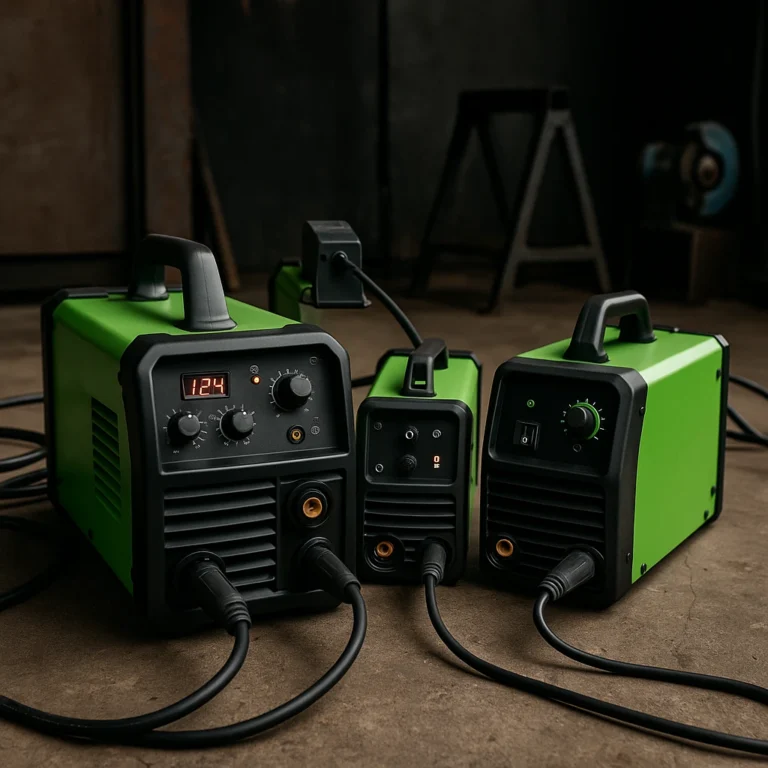
Best Portable Welding Machine: Compact Power for Mobile and Small-Space Work
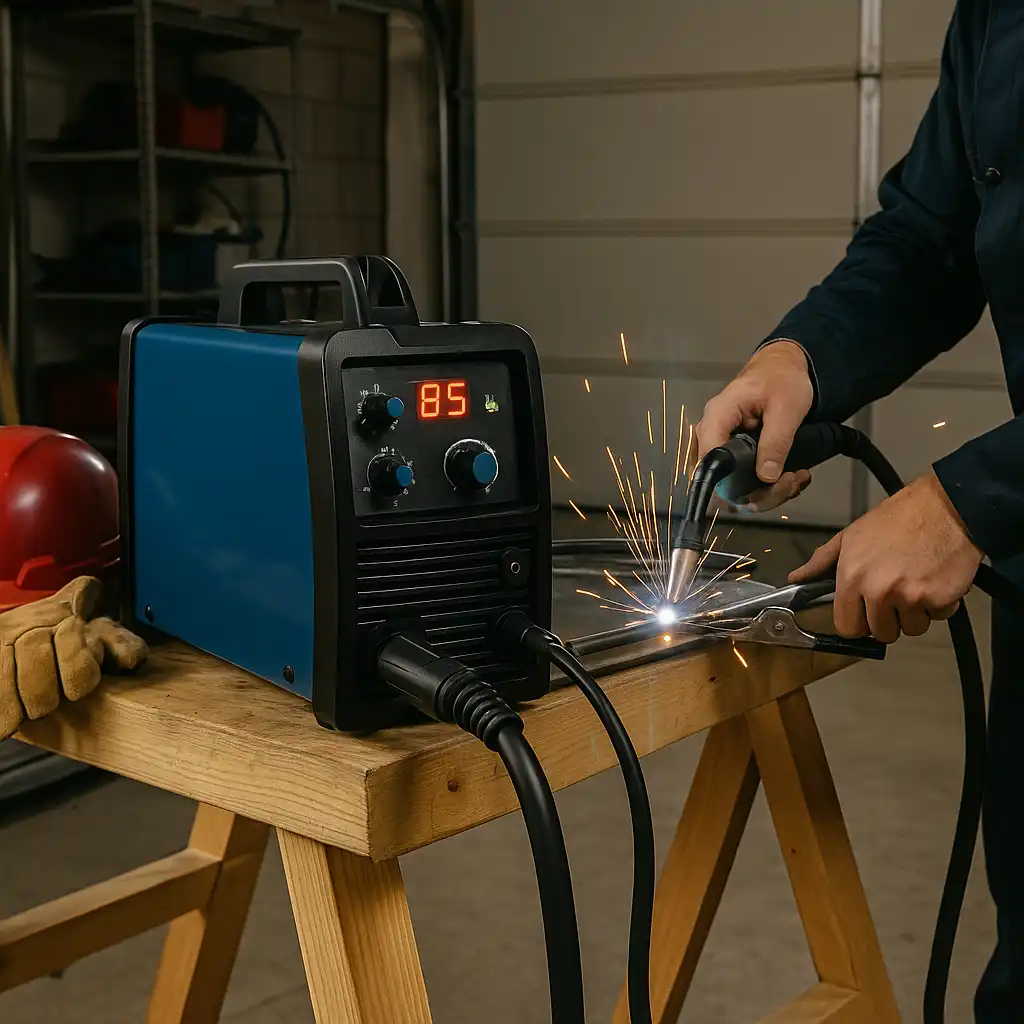
Disclosure: This post contains affiliate links. As an Amazon Associate, I earn from qualifying purchases—at no extra cost to you.
Last Updated: January 2026
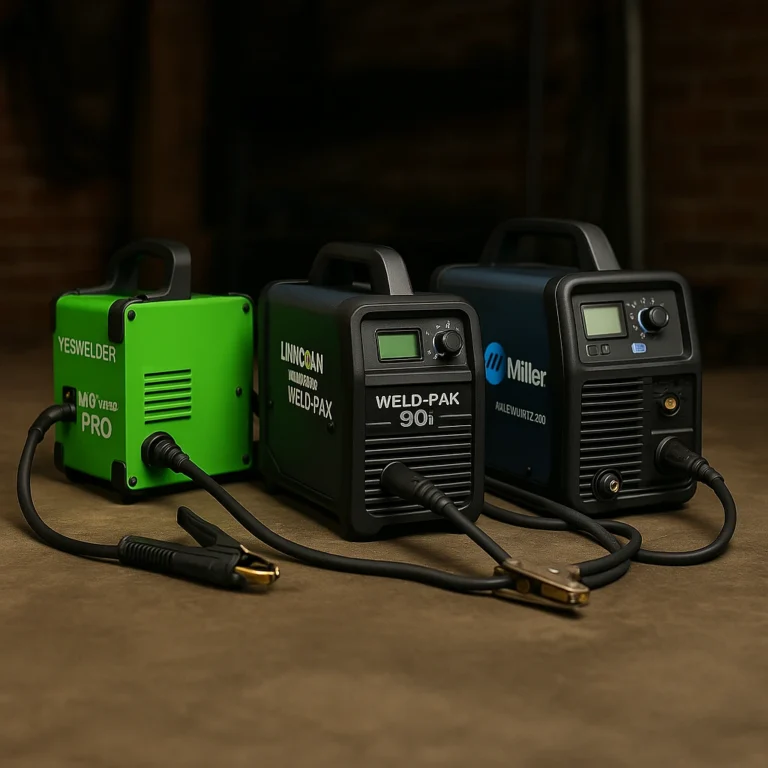
Choosing the best portable welding machine comes down to balancing mobility with usable output. Based on manufacturer specifications and aggregated user feedback, portable welders are designed to handle repairs, light fabrication, and on-the-go tasks where full-size machines are impractical. However, portability alone does not guarantee performance. Input voltage, amperage range, and duty cycle ultimately determine whether a compact welder can support real work without frequent interruptions or overheating.
Portable welders are best viewed as application-specific tools rather than universal replacements for shop equipment. When selected correctly, they offer a practical combination of convenience and capability.
This guide evaluates portable welding machines based on manufacturer specifications, verified purchaser feedback, and AWS industry standards to help identify which models align with specific mobile welding requirements.
👉 Before diving deeper, check out our guide on top welding machines for different setups to see where portable units fit alongside MIG, TIG, stick, and multiprocess welders.
💰 Check Price & Availability
View on Amazon – FORNEY Easy Weld 140 Amp Flux-Cored Welder
View on Amazon – Lincoln Electric Power MIG 211i MIG Welder
View on Amazon – Miller Multimatic 220 AC/DC Multiprocess Welder
📋 Quick-View Comparison List
- Mix of 120V-only and dual-voltage input options
- Compact form factors designed for transport and limited storage
- Output ranges suitable for repairs and small fabrication tasks
- Flux-core, MIG, stick, and AC/DC TIG processes depending on the model
- Duty cycles intended for intermittent, mobile welding
- Common applications include garages, farms, outdoor repairs, and jobsite work
📋 How We Evaluate Portable Welding Machines
This research-based guide compares portable welding machines using:
- Manufacturer technical specifications such as amperage range, input power, and weight
- Aggregated user feedback from verified purchasers
- Industry standards from sources including the American Welding Society (AWS)
- Application-specific requirements for different welding processes
We do not personally test equipment. Recommendations are based on technical merit and documented user experiences, not hands-on evaluation.
🔍 What Makes a Welding Machine “Portable”
According to manufacturer classifications and AWS guidance, portability involves more than overall weight. Power requirements, setup complexity, and accessory needs all affect how easily a welding machine can be moved and used across different locations.
Smaller machines typically prioritize simplified controls and fewer external components, improving ease of transport. Larger portable units may support multiple welding processes but require more planning for power access and setup. Portability should be evaluated relative to the intended environment rather than size alone.
🔍 Power Requirements and Voltage Considerations
Input voltage is a primary limitation for portable welding machines. Many compact models are designed for standard 120V outlets, which improves convenience but restricts maximum output. Dual-voltage machines expand capability by allowing higher amperage when 240V power is available.
According to AWS welding guidelines, output around 140 amps is generally recommended as the minimum for steel thicker than light gauge material. Manufacturer specifications should be reviewed carefully to understand how rated output and duty cycle change between input voltages.
🔍 Balancing Portability and Welding Capability
Portable welders involve trade-offs between weight, output, and process flexibility. Lighter machines often focus on a single process, such as flux-core welding, while heavier portable units may combine MIG, stick, and TIG capabilities in one platform.
Aggregated user feedback shows that broader process support is often prioritized when one machine needs to cover multiple applications, while single-process machines are favored where speed, simplicity, and ease of movement matter most.
📦 FORNEY Easy Weld 140 Amp Flux-Cored Welder
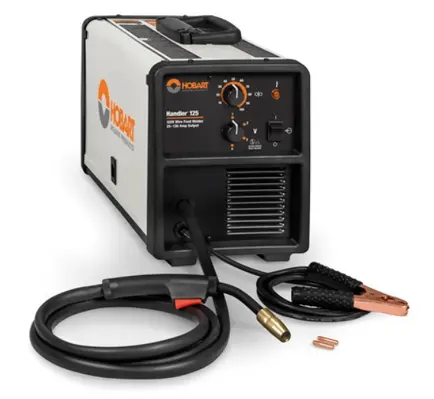
Based on manufacturer specifications, the FORNEY Easy Weld 140 is a compact, 120V-only flux-cored welding machine designed for portability and straightforward setup. It does not require shielding gas, reducing accessory needs and improving usability in mobile or outdoor environments.
According to user reviews, it is commonly used for basic repairs and light fabrication where simplicity and transport ease are priorities. Its output range is best suited to thinner materials, consistent with the limitations of 120V input power.
Based on manufacturer specifications and aggregated user reviews. This designation reflects technical capabilities and documented user experiences, not personal testing.
📦 Lincoln Electric Power MIG 211i MIG Welder
The Lincoln Electric Power MIG 211i is designed as a portable MIG welder with dual-voltage capability. Manufacturer data indicates it can operate on both 120V and 240V input, allowing increased output when higher-capacity power is available.
Aggregated user feedback highlights its balance between portability and performance, particularly for users who need flexibility across different work locations. Compared to entry-level machines, it offers greater output potential while remaining transportable.
Based on manufacturer specifications and aggregated user reviews. This designation reflects technical capabilities and documented user experiences, not personal testing.
📦 Miller Multimatic 220 AC/DC Multiprocess Welder
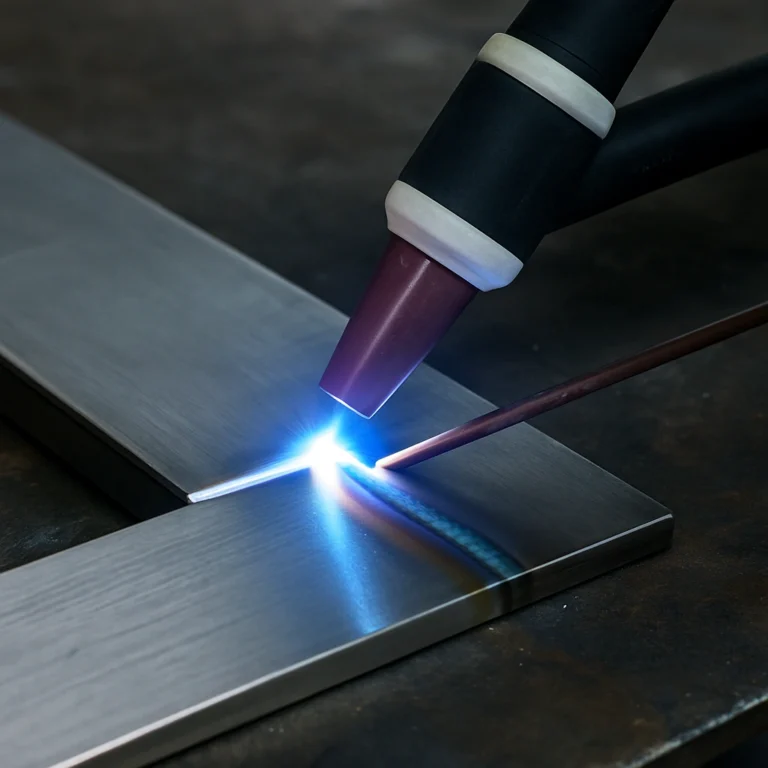
The Miller Multimatic 220 AC/DC represents a higher-end approach to portable welding. Based on manufacturer specifications, it supports MIG, stick, DC TIG, and AC TIG welding in a single unit, expanding its application range significantly.
While heavier than single-process portable welders, user feedback often notes that replacing multiple machines with one multiprocess unit offsets the reduced physical portability. AWS process documentation recognizes AC TIG capability as essential for aluminum welding, which contributes to its broader versatility.
Based on manufacturer specifications and aggregated user reviews. This designation reflects technical capabilities and documented user experiences, not personal testing.
📌 Key Takeaways
- Portability depends on power access, setup requirements, and process capability
- 120V machines emphasize convenience but limit maximum output
- Dual-voltage welders offer greater flexibility across locations
- Multiprocess units trade increased weight for expanded capability
- Manufacturer specifications should guide expectations for material thickness and duty cycle
⚠️ Safety & Training Requirements
Welding involves significant electrical, fire, burn, and eye injury hazards. This guide provides general equipment information only and does not substitute for:
- Proper welding training and certification
- Manufacturer safety instructions
- Electrical work performed by qualified electricians
- Appropriate personal protective equipment (PPE)
Consult certified welding instructors and follow all OSHA and AWS safety standards.
🟢 FAQs
Q: Are portable welding machines suitable for fabrication work?
According to manufacturer guidance and AWS recommendations, portable welders can handle light fabrication within their rated output and duty cycle. Heavier fabrication typically requires larger machines. Consult qualified professionals for personalized advice.
Q: Can portable welders run on generators?
Many models can operate on generators if stable power and sufficient wattage are provided. Manufacturer guidelines should be followed closely. Consult qualified professionals for personalized advice.
Q: Do dual-voltage welders improve portability?
Dual-voltage capability improves flexibility across locations but may increase machine weight. Portability should be evaluated alongside power availability. Consult qualified professionals for personalized advice.
Q: Is 120V power enough for meaningful penetration?
AWS guidance indicates that 120V welders are suitable for thinner materials, while thicker steel generally benefits from higher input voltage or stick welding processes. Consult qualified professionals for personalized advice.
✅ Conclusion
Based on manufacturer specifications, user feedback, and industry standards, the best portable welding machine is determined by application rather than size alone. Lightweight flux-core welders prioritize convenience, dual-voltage MIG machines balance mobility and output, and multiprocess welders trade weight for versatility. Understanding power availability, process needs, and material requirements is essential when selecting a portable welding solution.