Best 3-in-1 Welding Machine – Top-Rated Multiprocess Welders Based on Specs and User Feedback
Disclosure: This post contains affiliate links. As an Amazon Associate, I earn from qualifying purchases—at no extra cost to you.
Last Updated: January 2026
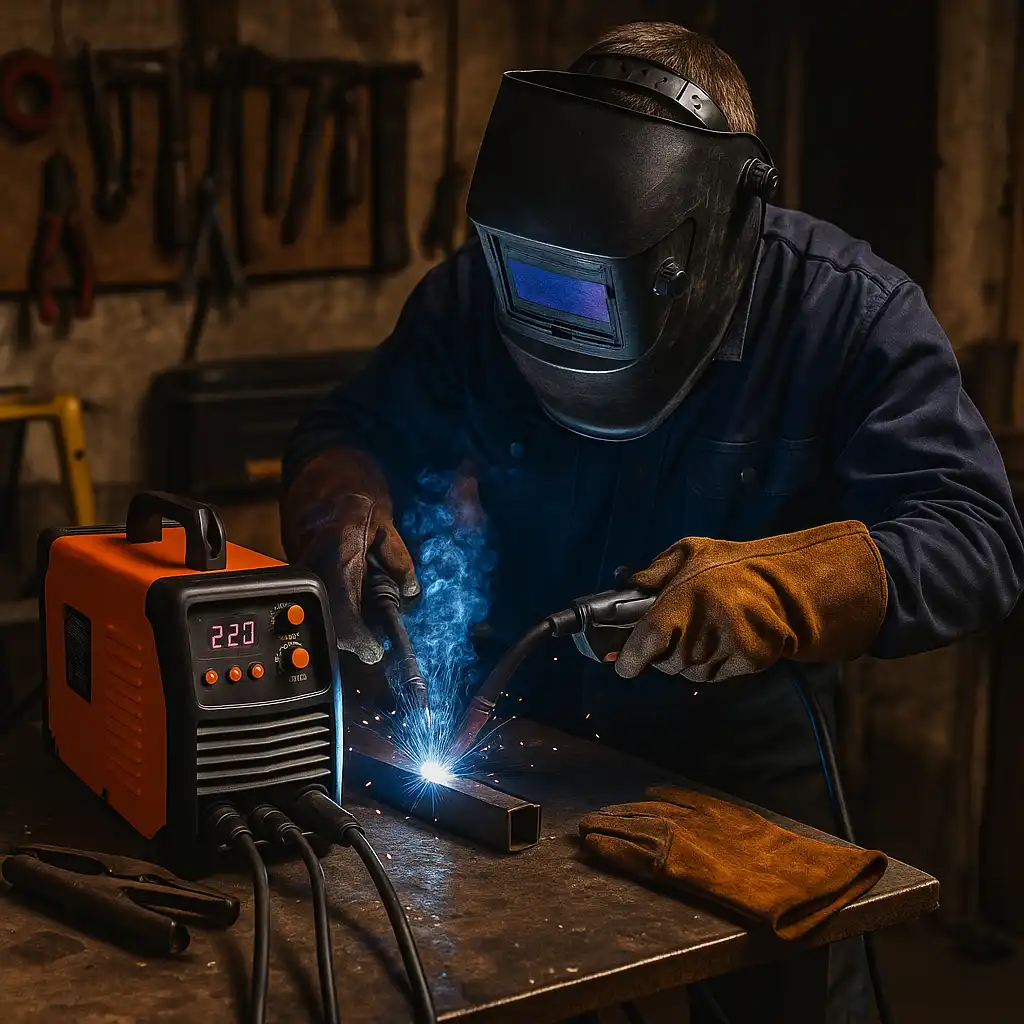
Choosing the best 3-in-1 welding machine is about versatility rather than maximum output. Based on manufacturer specifications and aggregated user feedback, these multiprocess welders are designed to combine MIG, stick, and TIG capabilities into one compact platform. The advantage is flexibility across different projects and environments, but performance still depends heavily on input voltage, amperage range, and duty cycle.
Instead of replacing dedicated shop equipment, 3-in-1 welders are typically selected to reduce space, simplify setups, and cover a wide range of light to mid-duty applications with a single machine.
👉 Before diving deeper, check out our guide on top welding machines for different setups to see how multiprocess units compare with dedicated MIG, TIG, and stick welders.
💰 Check Price & Availability
View on Amazon – GZ GUOZHI 145A MIG Welder
View on Amazon – YESWELDER MIG-205DS PRO
View on Amazon – LOTOS LTPDC2000D 2024 Upgraded
📋 Quick-View Comparison List
- Combined MIG, stick, and TIG capability in a single machine
- Mix of 120V-only and dual-voltage input options
- Output ranges suited for repairs, fabrication, and maintenance work
- MIG and stick welding prioritized, with lift TIG support depending on the model
- Duty cycles intended for intermittent to moderate workloads
- Commonly used in garages, small shops, and mobile repair setups
📋 How We Evaluate 3-in-1 Welding Machines
We do not personally test equipment. Our recommendations are based on:
- Technical merit according to manufacturer data
- Documented user experiences from verified sources
- Alignment with industry standards and best practices
- Suitability for specific applications based on specifications
Readers should verify compatibility with their specific projects and skill levels before purchasing. For personalized recommendations, consult with certified welding professionals.
🔍 What Defines a 3-in-1 Welding Machine
According to manufacturer classifications and AWS process definitions, a 3-in-1 welder is designed to support MIG, stick, and TIG welding from the same power source. This design reduces the need for multiple machines while expanding the range of materials and joint types that can be addressed.
Most 3-in-1 machines emphasize MIG and stick welding for general use, with lift TIG included for precision work on thinner material. Process switching is intended to be straightforward, but setup complexity increases compared to single-process welders.
🔍 Power Input and Process Capability
Input voltage plays a major role in how a 3-in-1 welder performs. Models limited to 120V prioritize convenience and portability, while dual-voltage machines increase usable amperage when connected to 240V power.
According to AWS welding guidelines, higher amperage improves penetration on thicker steel, particularly when stick welding. Manufacturer specifications should be reviewed to understand how output and duty cycle change across processes and input voltages.
🔍 Trade-Offs Compared to Single-Process Welders
Multiprocess welders balance versatility with compromise. While they cover more applications, they typically do not match the peak performance of dedicated MIG or TIG machines in the same price range.
Aggregated user feedback shows that 3-in-1 machines are often selected to save space and reduce equipment costs, rather than to replace specialized shop setups. Understanding which process will be used most often is essential when evaluating these machines.
📦 GZ GUOZHI 145A MIG Welder
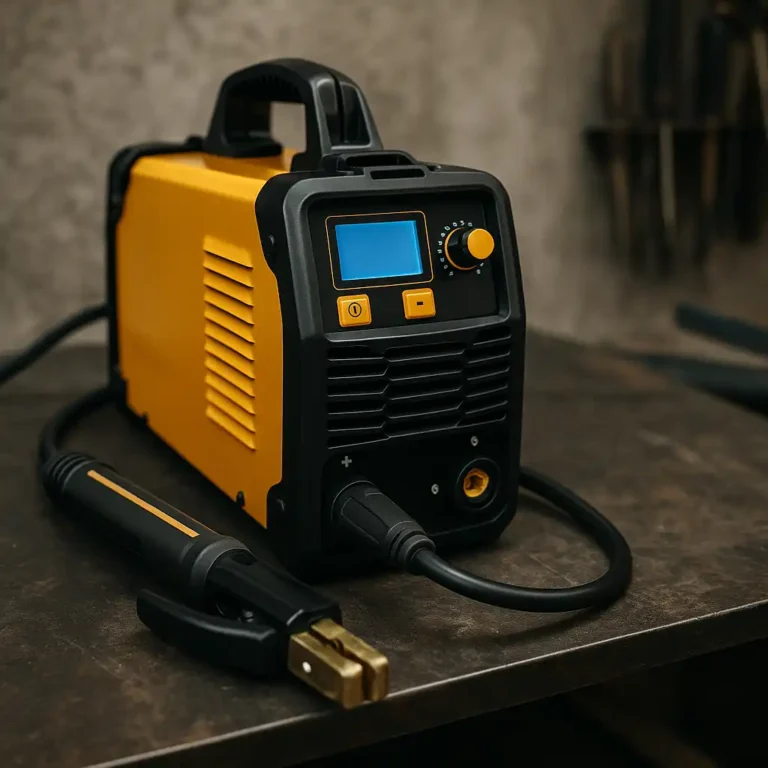
Based on manufacturer specifications, the GZ GUOZHI 145A is a compact 3-in-1 welding machine designed primarily for 120V operation. It supports MIG, stick, and lift TIG welding, with an output range aimed at light repairs and basic fabrication tasks.
According to user reviews, it is commonly chosen for its compact size and simplified controls. Its lower maximum amperage limits its use to thinner materials, consistent with single-voltage input constraints.
Based on manufacturer specifications and aggregated user reviews. This designation reflects technical capabilities and documented user experiences, not personal testing.
📦 YESWELDER MIG-205DS PRO
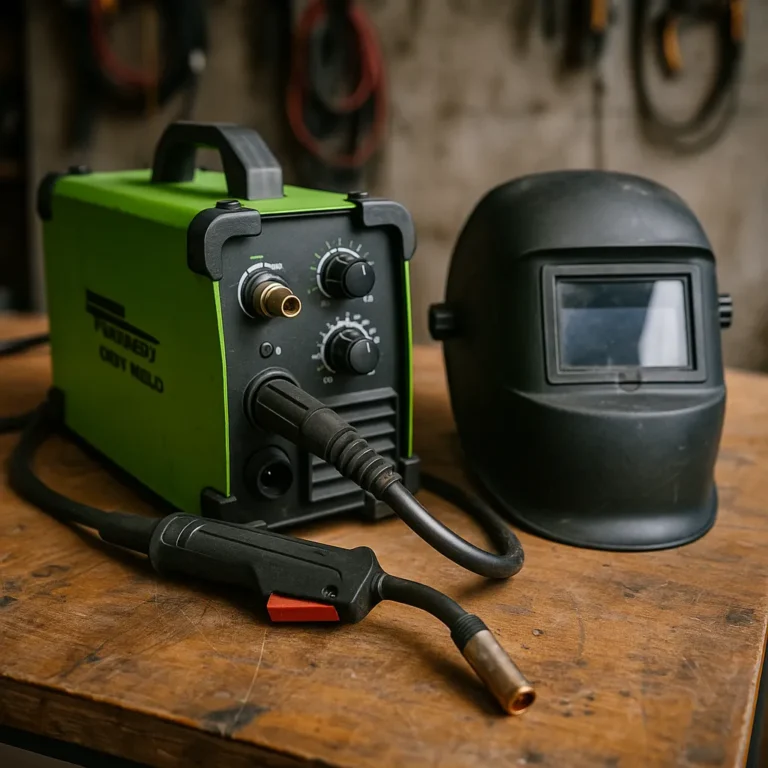
The YESWELDER MIG-205DS PRO is designed as a higher-output multiprocess welder with dual-voltage capability. Manufacturer data indicates support for MIG, stick, and lift TIG welding, with increased amperage available when connected to 240V power.
Aggregated user feedback frequently highlights its flexibility across different environments, particularly where access to both household and higher-voltage power is available. Compared to lower-output models, it offers broader material range while remaining portable.
Based on manufacturer specifications and aggregated user reviews. This designation reflects technical capabilities and documented user experiences, not personal testing.
📦 LOTOS LTPDC2000D 2024 Upgraded
The LOTOS LTPDC2000D 2024 Upgraded model combines MIG, stick, and TIG functionality with an emphasis on arc stability and process control. Based on manufacturer specifications, it is designed to support a range of light to mid-duty welding applications across different materials.
User feedback often notes its appeal as an all-in-one solution for small shops or garages that require process flexibility without multiple machines. Like most multiprocess units, its TIG capability relies on lift start rather than high-frequency ignition.
Based on manufacturer specifications and aggregated user reviews. This designation reflects technical capabilities and documented user experiences, not personal testing.
📌 Key Takeaways
- 3-in-1 welders prioritize versatility over specialized performance
- Dual-voltage models expand usable output across locations
- MIG and stick welding are the primary strengths of most multiprocess machines
- Lift TIG adds precision but does not replace dedicated TIG systems
- Manufacturer specifications should guide expectations for material thickness and duty cycle
⚠️ Safety & Training Requirements
Welding involves significant electrical, fire, burn, and eye injury hazards. This guide provides general equipment information only and does not substitute for:
- Proper welding training and certification
- Manufacturer safety instructions
- Electrical work performed by qualified electricians
- Appropriate personal protective equipment (PPE)
Consult certified welding instructors and follow all OSHA and AWS safety standards.
🟢 FAQs
Q: Are 3-in-1 welding machines good for beginners?
According to manufacturer guidance and user feedback, 3-in-1 welders can be suitable for beginners who want to explore multiple processes, but setup complexity may be higher than with single-process machines. Consult qualified professionals for personalized advice.
Q: Do multiprocess welders perform as well as dedicated machines?
AWS guidance indicates that multiprocess welders offer flexibility but typically do not match the peak performance of dedicated MIG or TIG machines. Consult qualified professionals for personalized advice.
Q: Is lift TIG sufficient for most TIG applications?
Lift TIG works for basic precision welding, but high-frequency TIG is generally preferred for advanced aluminum or thin material work. Consult qualified professionals for personalized advice.
Q: Do 3-in-1 welders require more accessories?
Yes. Supporting MIG, stick, and TIG welding often requires additional torches, cables, and consumables. Manufacturer recommendations should be reviewed. Consult qualified professionals for personalized advice.
✅ Conclusion
Based on manufacturer specifications, aggregated user feedback, and industry standards, the best 3-in-1 welding machine depends on how much process flexibility is needed versus how often each process will be used. Compact models emphasize convenience, while higher-output dual-voltage machines expand capability at the cost of added complexity. Understanding power availability, material requirements, and workflow priorities is essential when selecting a multiprocess welding machine.