Does Welding Weaken Metal? Strength and Heat Effects Explained
Disclosure: This post contains affiliate links. As an Amazon Associate, I earn from qualifying purchases—at no extra cost to you.
Last Updated: January 2026
Welding permanently joins metal by applying heat, pressure, or both. Because heat alters metal structure, a common concern is whether welding weakens the base material or reduces overall strength.
Based on guidance from the American Welding Society (AWS), manufacturer metallurgical documentation, and industry standards, welding does not inherently weaken metal—but weld quality, process choice, and heat control play a critical role in final strength.
This guide explains how welding affects metal strength, when weakening can occur, and how industry standards address these risks.
👉 For broader context on welding processes and machine selection, see best welding machines.
📋 How We Evaluate Weld Strength
This research-based guide draws from:
- AWS welding codes and metallurgical references
- Manufacturer material specifications and heat input guidelines
- Documented failure analysis and inspection criteria
- Common industrial welding applications
We do not perform physical testing. All conclusions are based on published standards, specifications, and documented engineering principles.
🔍 What Happens to Metal During Welding
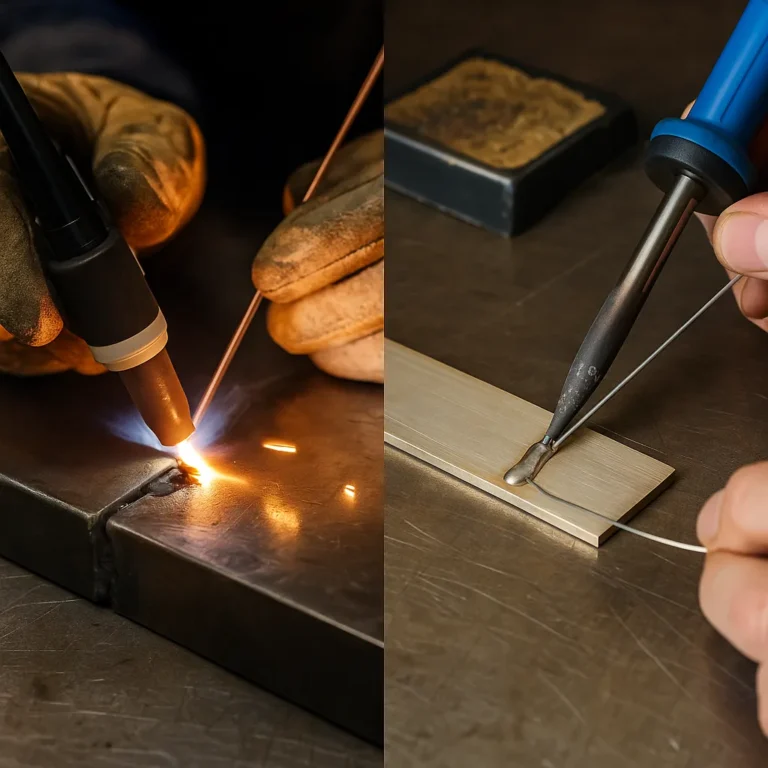
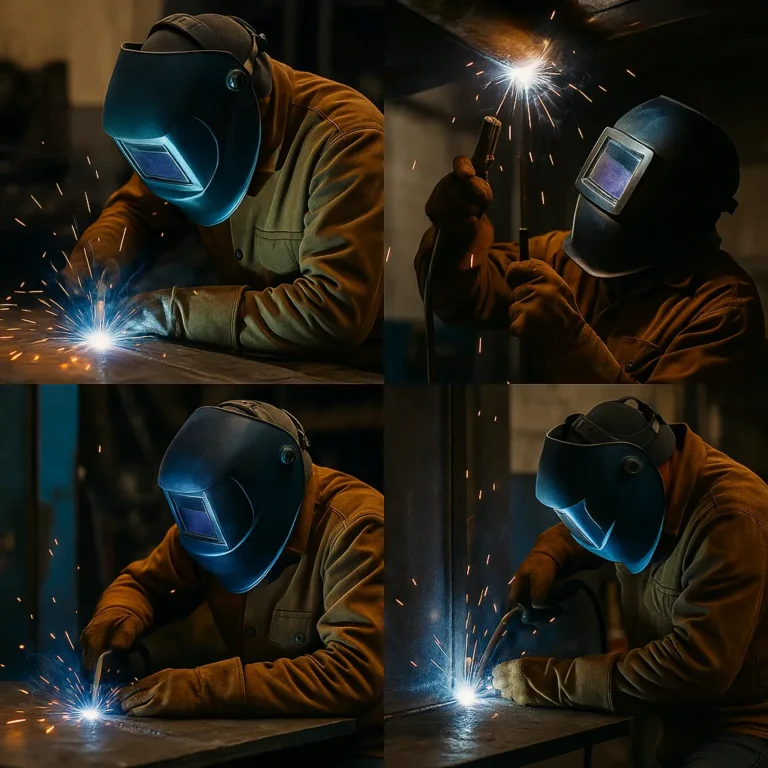
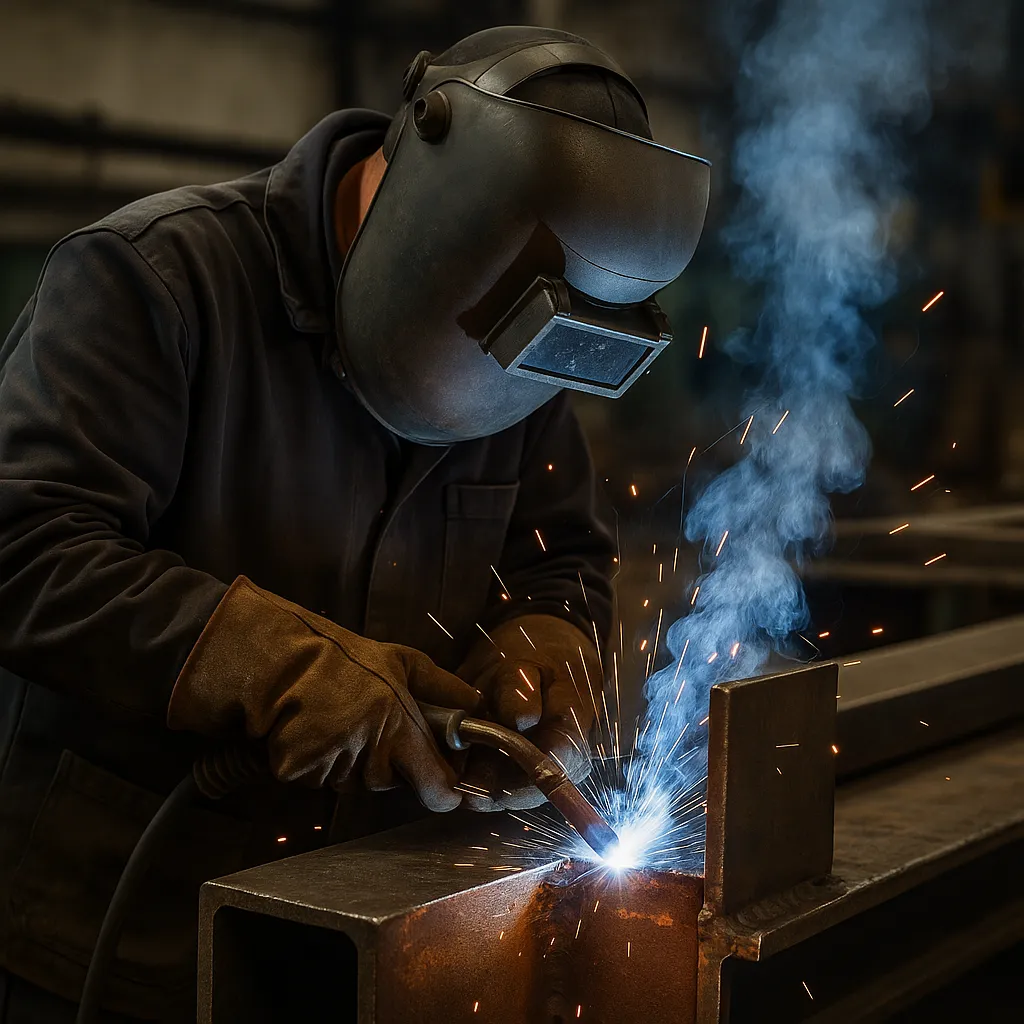
When metal is welded, it experiences localized heating and cooling.
According to AWS metallurgical guidance:
- The weld metal melts and resolidifies
- The surrounding heat-affected zone (HAZ) is heated but not melted
- The base metal beyond the HAZ remains unchanged
Changes in strength, hardness, or ductility—if they occur—typically originate in the heat-affected zone rather than the weld itself.
🔍 Does Welding Always Reduce Strength?
No. Welding does not automatically weaken metal.
AWS standards indicate:
- Properly designed and executed welds can match or exceed base metal strength
- Many structural and pressure-rated components rely on welded joints
- Welded connections are routinely used in bridges, pipelines, and pressure vessels
Weakness occurs primarily when welding parameters, joint design, or material preparation are incorrect.
🔍 Common Causes of Weld-Related Weakness
Documented causes of reduced weld strength include:
- Excessive heat input causing grain growth
- Improper filler metal selection
- Poor joint preparation or contamination
- Inadequate penetration or fusion
- Rapid cooling leading to brittleness in some alloys
Industry welding codes exist specifically to prevent these conditions.
🔍 How Welding Process Affects Metal Strength
Different welding processes affect heat input and cooling rates.
Based on AWS references:
- MIG welding (GMAW) generally provides consistent heat input and good strength when parameters are correct
- Stick welding (SMAW) can produce strong welds but is more sensitive to technique and electrode choice
- TIG welding (GTAW) allows precise heat control, reducing unwanted metallurgical changes
Process selection should match material type and application requirements.
🔍 Heat-Affected Zone (HAZ) Explained
The heat-affected zone is the area most likely to experience property changes.
According to AWS documentation:
- Grain structure may change due to heating and cooling
- Strength may increase or decrease depending on alloy type
- Proper preheat and post-weld heat treatment can mitigate negative effects
Controlling the HAZ is a key focus of welding procedure specifications (WPS).
🔍 Do Welds Fail Before the Base Metal?
In properly executed welds, failure does not necessarily occur at the weld.
AWS failure analysis shows:
- Well-designed welds often fail in the base metal, not the weld
- Poor weld quality or incorrect procedures increase failure risk
- Inspection methods exist to detect defects before service
This reinforces the importance of following qualified procedures.
📌 Key Takeaways
- Welding does not automatically weaken metal
- Strength changes usually occur in the heat-affected zone
- Proper procedures can preserve or exceed base metal strength
- Process choice and heat control are critical
- AWS codes exist to prevent weld-related weakness
⚠️ Safety & Training Requirements
Welding involves significant electrical, fire, burn, and eye injury hazards. This guide provides general information only and does not substitute for:
- Proper welding training and certification
- Manufacturer safety instructions
- Electrical work performed by qualified electricians
- Appropriate personal protective equipment (PPE)
Consult certified welding instructors and follow all OSHA and AWS safety standards.
🟢 FAQs
Q: Does welding always make metal weaker?
No. According to AWS standards, properly executed welds can maintain or exceed base metal strength. Consult qualified professionals for personalized advice.
Q: What part of a weld is weakest?
If weakness occurs, it is most commonly in the heat-affected zone rather than the weld metal itself, according to AWS metallurgical guidance. Consult qualified professionals for personalized advice.
Q: Can post-weld heat treatment improve strength?
Yes. AWS documentation shows post-weld heat treatment can restore or improve properties in certain alloys. Consult qualified professionals for personalized advice.
✅ Conclusion
Based on AWS-referenced standards and metallurgical documentation, welding does not inherently weaken metal. Strength issues arise when heat input, material selection, or procedures are incorrect. Understanding how welding affects metal structure helps ensure strong, reliable welded joints.