When to Replace PPE for Welding – Signs Your Gear Is No Longer Safe
Disclosure: This post contains affiliate links. As an Amazon Associate, I earn from qualifying purchases—at no extra cost to you.
Last Updated: December 2025
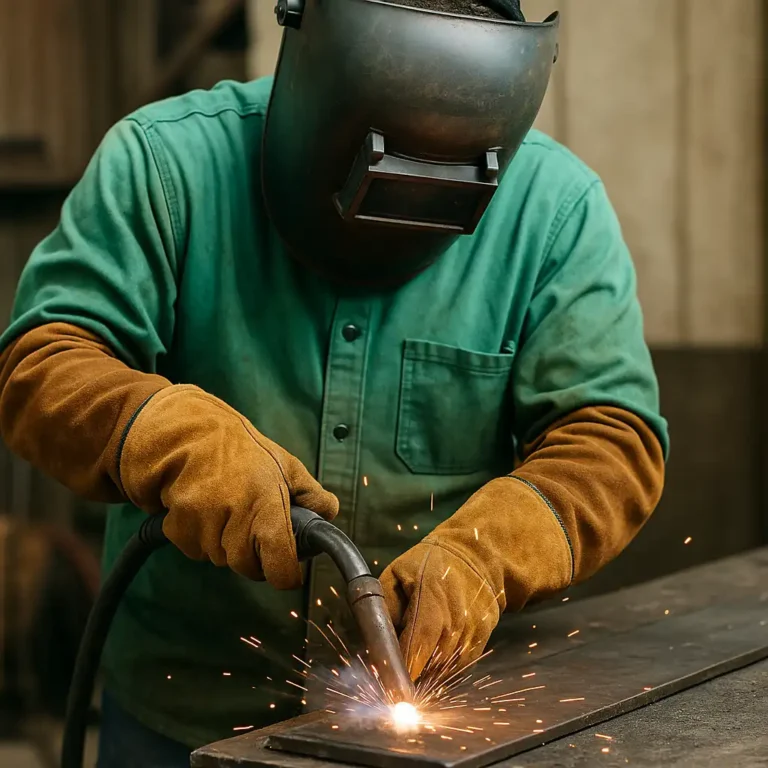
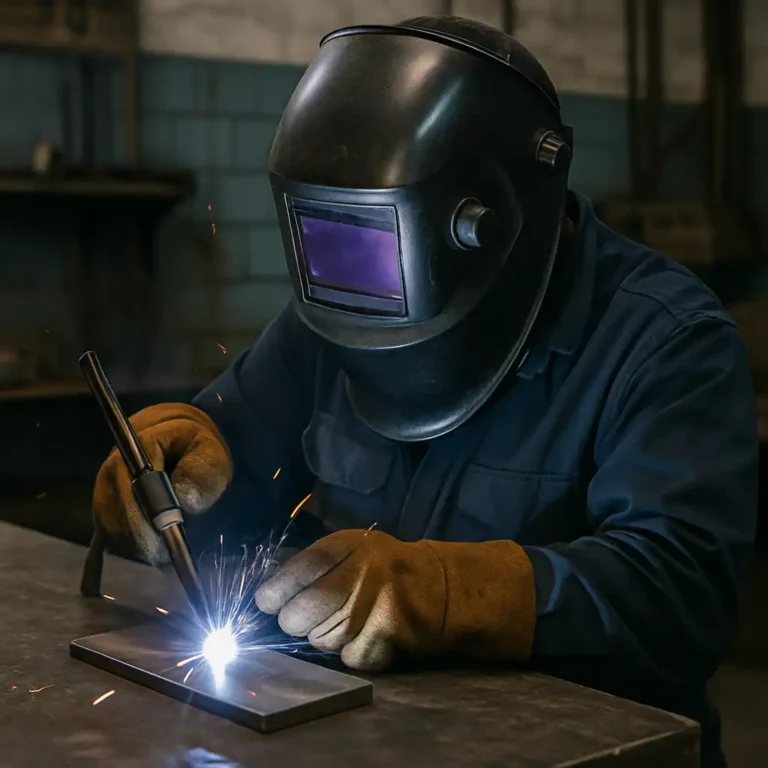
Welding PPE puts up with a lot—heat, sparks, metal dust, and long days in the shop. Over time, jackets stiffen, gloves thin out, boots crack, and helmet lenses lose their clarity. It doesn’t happen all at once, but those small changes can add up to a big safety problem.
Knowing when your gear has reached the end of its life helps you avoid burns, bad visibility, and unnecessary risks. You don’t need brand-new PPE all the time—just gear that still does its job.
👉 If you want a quick refresher on must-have shop protection, check out our guide to core welding safety gear.
🔍 Why PPE Replacement Matters More Than You Think
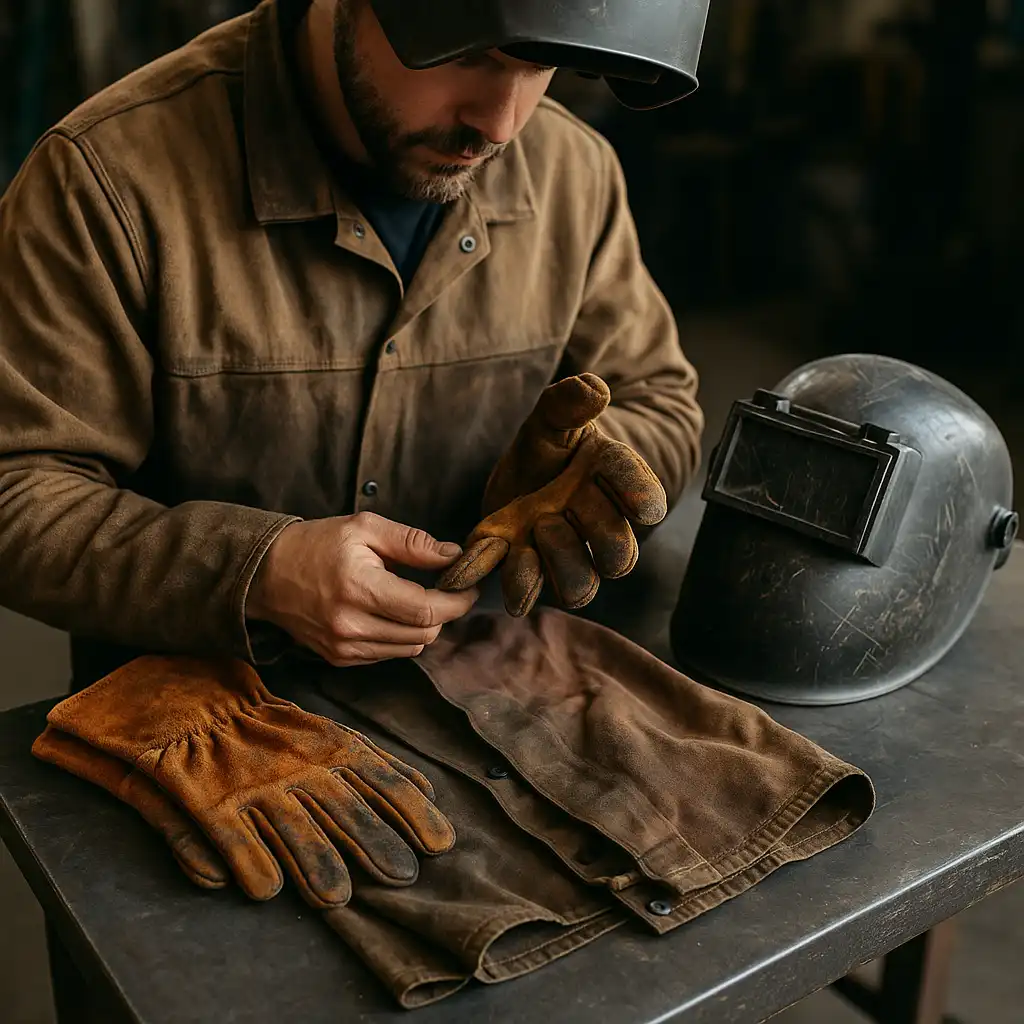
Welding exposes every layer you wear to heat and abrasion. Sparks settle into cuffs, grinding dust eats into seams, and repeated heat cycles break down fabric and leather. Gear doesn’t usually fail suddenly—it fades a little each week until it no longer protects the way you expect.
Replacing PPE when it starts to weaken prevents:
- Sparks burning through thin spots
- Heat slipping past worn gloves
- Slag getting inside cracked boots
- Poor visibility from scratched lenses
- Auto-darkening delays during critical work
A single weak point is all it takes to cause trouble.
🔍 How Long Different Welding PPE Typically Lasts
These ranges give you a general idea, but lifespan depends heavily on heat level, welding process, and shop conditions:
- FR cotton shirts/jackets: 6–18 months
- Leather jackets/aprons: 1–3 years
- Welding gloves: weeks to months
- Work boots: 1–2 years
- Sleeves: months to a year
- Helmet lenses: replaced regularly
- Respirator cartridges: 30–90 days
Always trust the condition of the gear more than the calendar.
🔍 When to Replace FR Cotton PPE
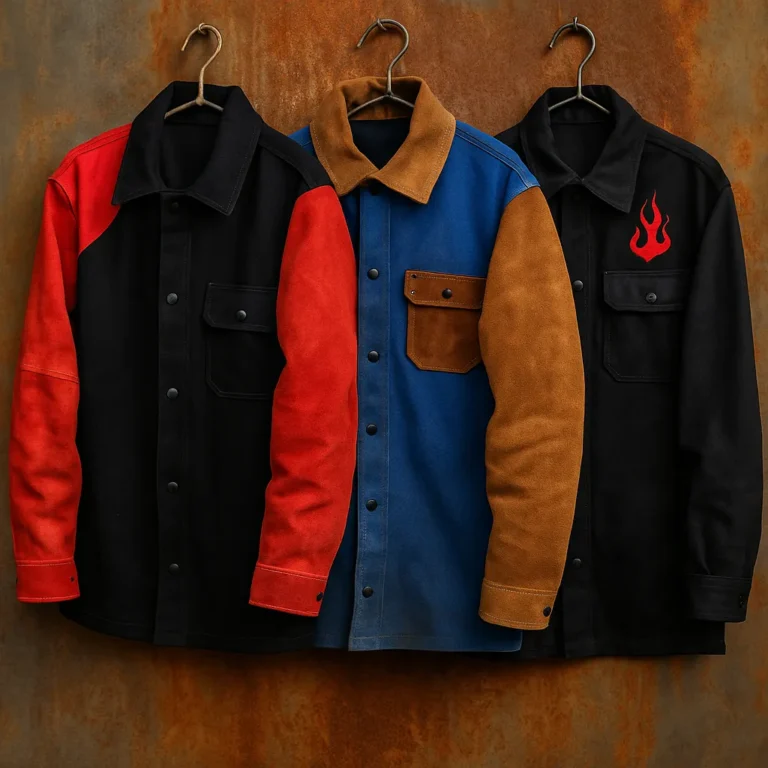
FR cotton handles sparks well, but once it starts breaking down, it stops offering real protection.
Replace FR clothing if you notice:
- Thin or shiny spots
- Burn holes or scattered scorch marks
- Loose or failing seams
- Sleeves stiffening from heat damage
- Faded or unreadable FR labels
If the material feels weak in your hands, it’s past its safe lifespan.
🔍 When to Replace Leather PPE
Leather is rugged, but once it loses flexibility or develops cracks, its protective qualities drop fast.
Replace leather gloves, sleeves, jackets, or aprons when:
- The leather turns stiff, dry, or brittle
- Deep cracks show up in bend areas
- Holes appear or patches wear thin
- Stitching begins to separate
- Heat reaches your skin faster than it used to
For gloves, reduced dexterity or hot spots during normal work are clear warning signs.
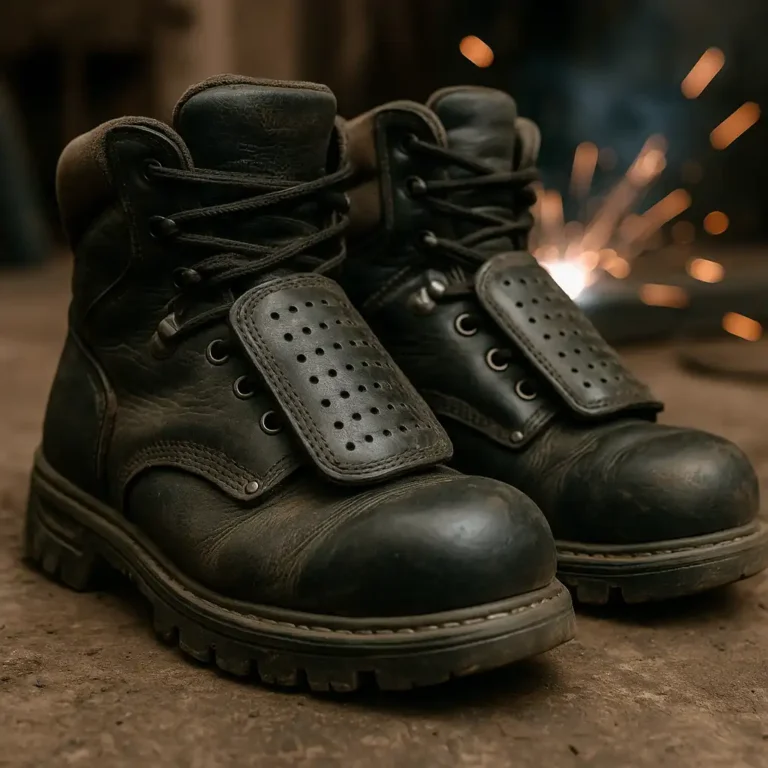
🔍 When to Replace Welding Boots
Boots deal with hot slag, sharp edges, and heavy plate daily. Long before they look worn out, they may already be failing.
Replace boots when:
- The toe or met-guard starts separating
- Leather cracks across flex points
- Melted or burned spots appear
- Soles split or lose traction
- Ankle support weakens
If sparks or metal fragments are getting inside, don’t hesitate—replace them.
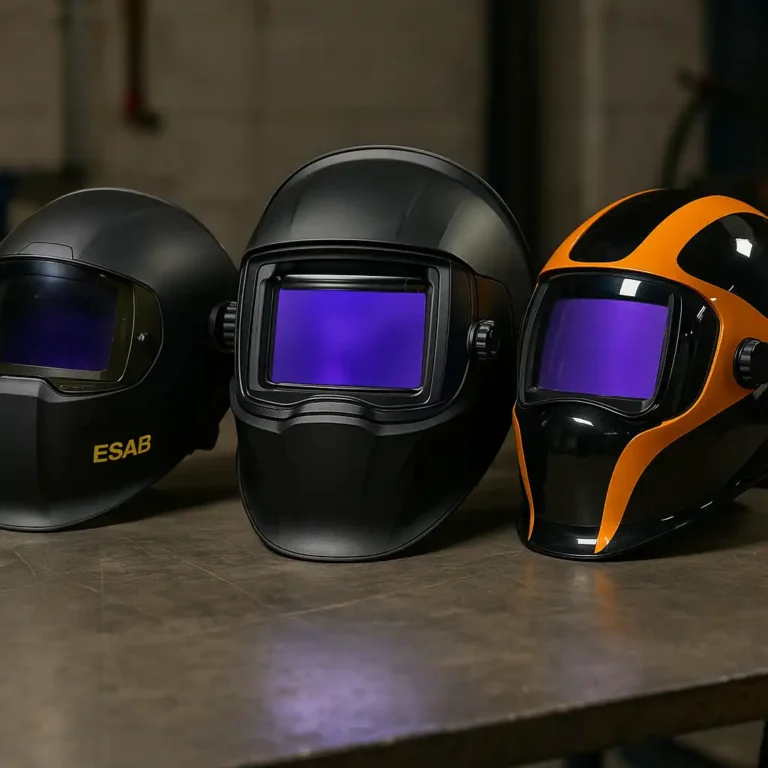
🔍 When to Replace Welding Helmet Parts
Helmets last years, but the components that keep them functional wear out faster.
Replace lenses when:
- Scratches reduce clarity
- Spatter is baked onto the surface
- Light distortion affects your view
Replace headgear when:
- Ratchets slip or won’t hold tension
- Padding breaks down
- Straps crack or lose elasticity
Replace the full helmet if:
- Auto-darkening flickers or lags
- Sensors respond inconsistently
- The shell cracks or warps
- Shade adjustments become unreliable
Any issue with visibility or shade timing becomes a safety hazard.
🔍 Signs Your PPE Should Be Replaced Immediately
Swap out PPE right away if:
- Holes, tears, or burn paths appear
- Heat gets through spots that used to stay cool
- Seams pop or fabric pulls apart
- Gear no longer fits securely
- Sparks are reaching your skin
- Damage appears in high-wear zones
If something feels unsafe, it probably is.
📌 Key Takeaways
- PPE wears down slowly—check it regularly
- FR cotton weakens with heat, abrasion, and improper washing
- Leather becomes unsafe once it cracks or stiffens
- Boots fail at seams and flex points long before they look bad
- Helmet lenses and headgear need frequent replacement
- Replace gear immediately if sparks or heat break through
🟢 FAQs
Q: How often should welding gloves be replaced?
As soon as you feel more heat than usual, lose dexterity, or see thinning leather or open seams.
Q: Does FR clothing expire?
It doesn’t expire the way food does, but its effectiveness fades as it thins, scorches, or is washed incorrectly.
Q: How do I know if my welding helmet is still safe?
If sensors flicker, the lens doesn’t darken consistently, or visibility stays poor even after cleaning, it’s time to replace parts—or the whole helmet.
Q: Can welding PPE be repaired?
Minor stitching repairs are fine, but burned or heat-damaged material should never be patched and reused.
✅ Conclusion
PPE only works when it’s in good condition. Once fabric thins, leather cracks, boots weaken, or lenses distort, the risk of burns and eye strain goes up fast. Replacing worn-out gear keeps you safer, makes long shifts more comfortable, and helps you stay focused on your welds. A quick inspection before each session can catch issues early and prevent accidents.