What Is an Auto-Darkening Welding Helmet? How It Works in the Shop
Disclosure: This post contains affiliate links. As an Amazon Associate, I earn from qualifying purchases—at no extra cost to you.
Last Updated: January 2026
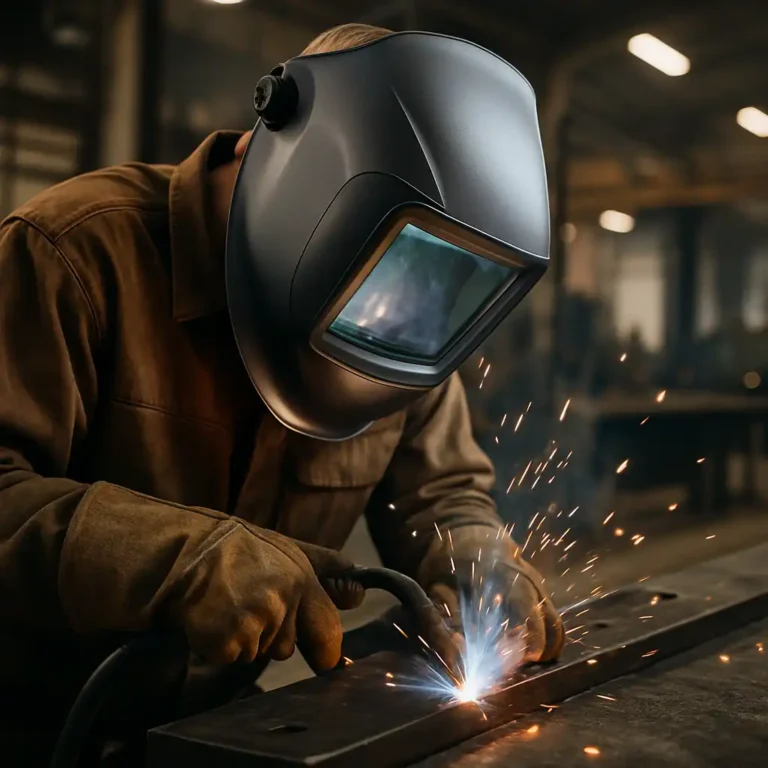
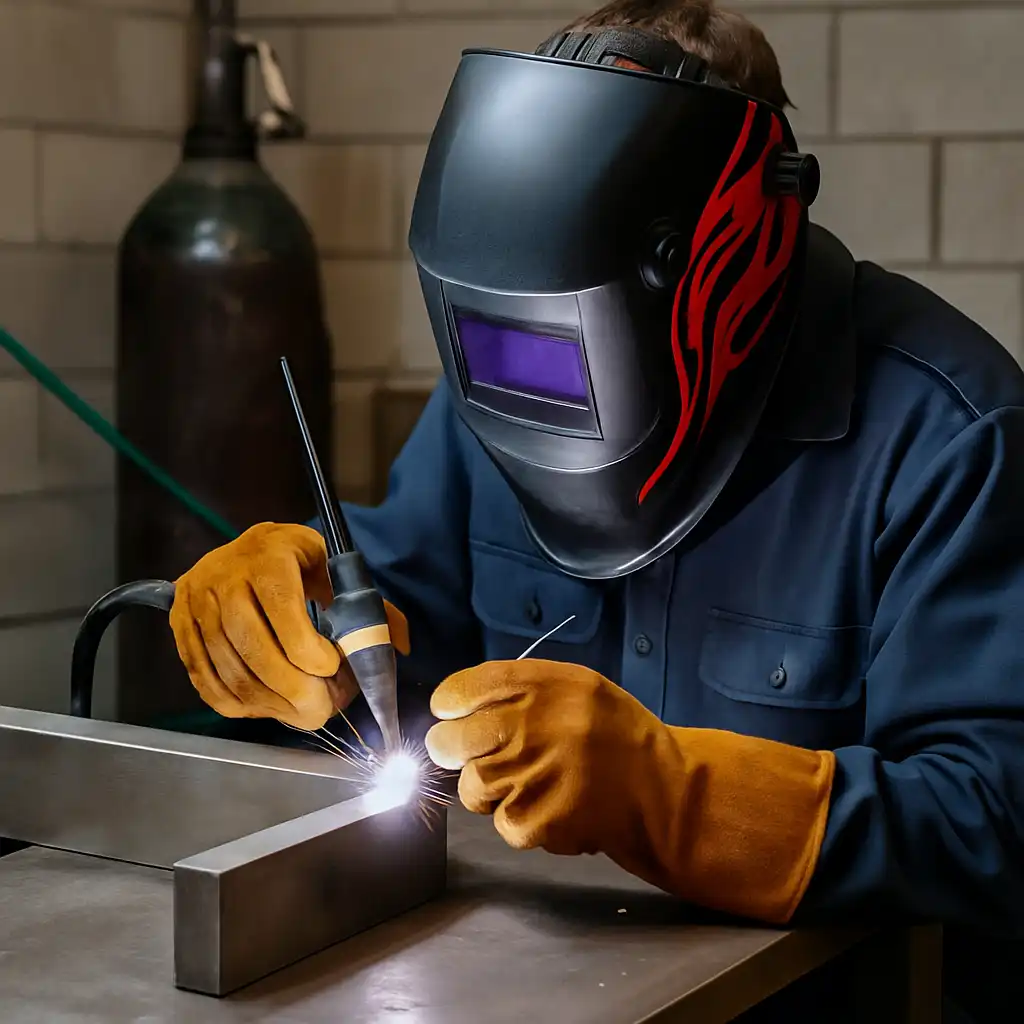
Auto-darkening welding helmets changed how most welders work in the shop. Instead of flipping your hood down and hoping you’re lined up, the lens darkens instantly the moment you strike an arc. That means better visibility, fewer missed starts, and less strain on your neck and eyes during long sessions.
If you’ve ever welded with a fixed shade helmet, the difference is immediate. Auto-darkening helmets let you see the joint clearly before welding starts, stay locked on the puddle, and work more smoothly across MIG, TIG, and stick jobs.
👉 If you’re comparing features, safety ratings, and real-world comfort, check our welding helmet guide for a full breakdown of the best options across different budgets.
🔍 What an Auto-Darkening Welding Helmet Means in Welding
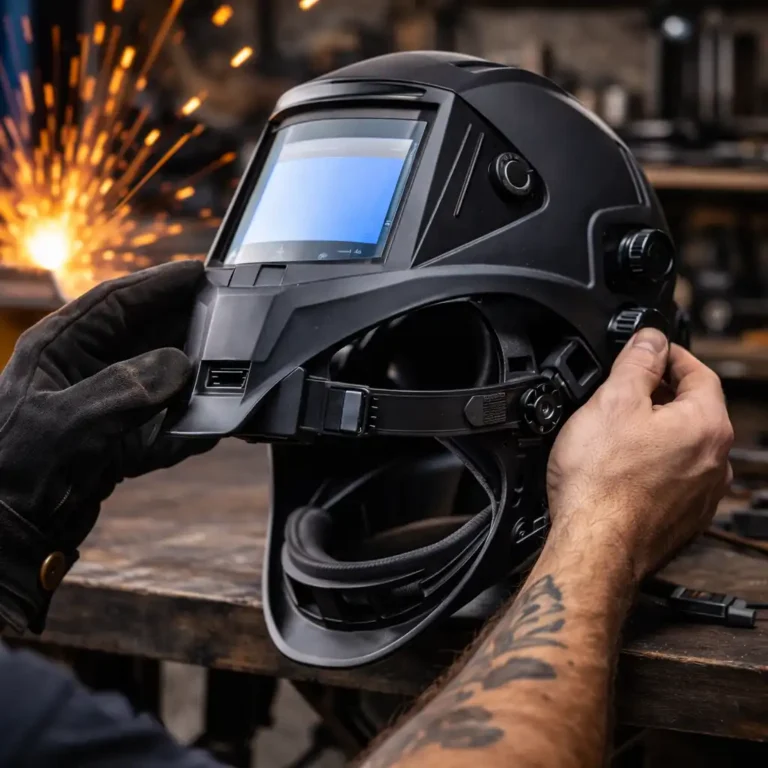
These helmets use sensors near the lens to pick up the arc. When the arc fires, the lens instantly darkens. No more nodding your hood or losing position—just steady hands and a cleaner start.
🔍 Why It Matters for Welders
Anyone who’s welded for a few hours knows the neck strain of flipping a hood all day. Auto-darkening helmets solve that. Beginners appreciate being able to see the joint before striking, and pros save time and energy on long runs. Over a week in the shop, that difference adds up.
🔍 Common Misconceptions and Mistakes
Some welders think passive helmets are safer. With a good brand, auto-darkening helmets are every bit as reliable, and often more comfortable. The real danger comes from cheap models that react too slowly. Another common mistake is forgetting to adjust the shade when switching between MIG, TIG, and stick—either your eyes suffer, or you can’t see the puddle clearly.
📦 How to Choose and Use One Correctly
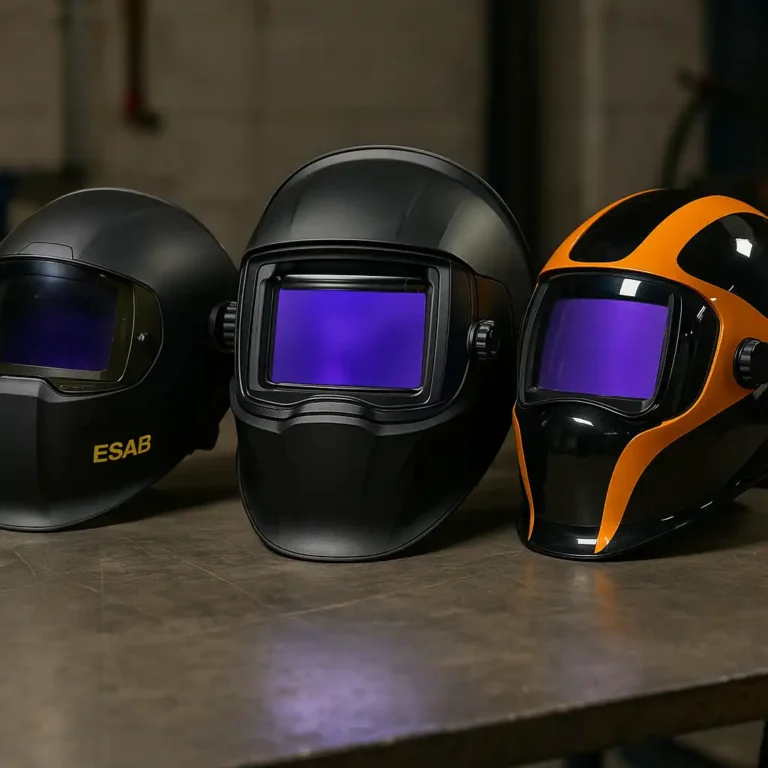
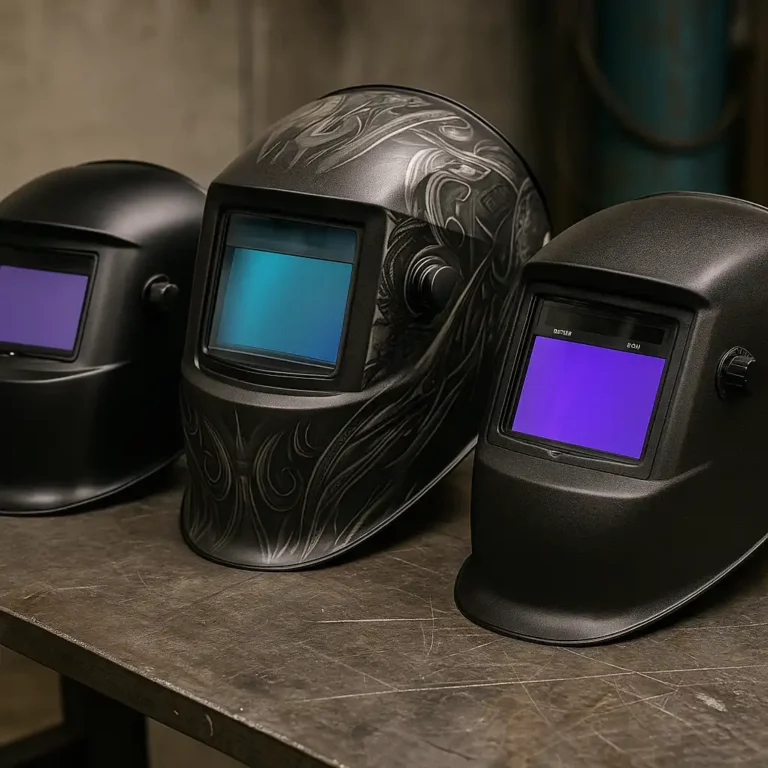
Pick a helmet with two to four sensors—four gives you better coverage if you weld out of position. Look for a fast reaction speed and a wide shade range. Before starting a job, strike a quick arc to test the lens response. Decide if you want battery-only or solar assist for power—solar gives extra peace of mind. Always match your shade setting to the process: TIG usually needs a darker setting than MIG or stick.
📌 Key Takeaways
- Auto-darkening helmets switch shades instantly to protect your eyes from arc flash
- They reduce neck strain by eliminating constant hood flipping
- Clear visibility before striking an arc leads to cleaner starts and better control
- Sensor quality and reaction speed matter as much as shade range
- Proper shade adjustment is critical when switching between welding processes
🟢 FAQs
Q: Do auto-darkening helmets work for all welding types?
Yes, as long as the shade range covers your process. TIG usually needs a darker setting than MIG or stick.
Q: How fast do auto-darkening helmets react?
Good helmets react in about 1/25,000 of a second or faster, which is quick enough to protect your eyes.
Q: Do I need batteries for an auto-darkening helmet?
Most models run on batteries, often with solar backup. Keeping spares on hand avoids downtime in the shop.
✅ Conclusion
Auto-darkening welding helmets make day-to-day welding safer and more comfortable. By reacting instantly to the arc, they protect your eyes, reduce neck strain, and help you start welds more accurately. With reliable sensors and the correct shade settings, an auto-darkening helmet lets you focus on the weld instead of fighting your gear—whether you’re learning in the garage or running beads all day in the shop.