Welding Safety Gear: PPE Basics, Fire Protection, and When to Replace Equipment
Disclosure: This post contains affiliate links. As an Amazon Associate, I earn from qualifying purchases—at no extra cost to you.
Last Updated: January 2026
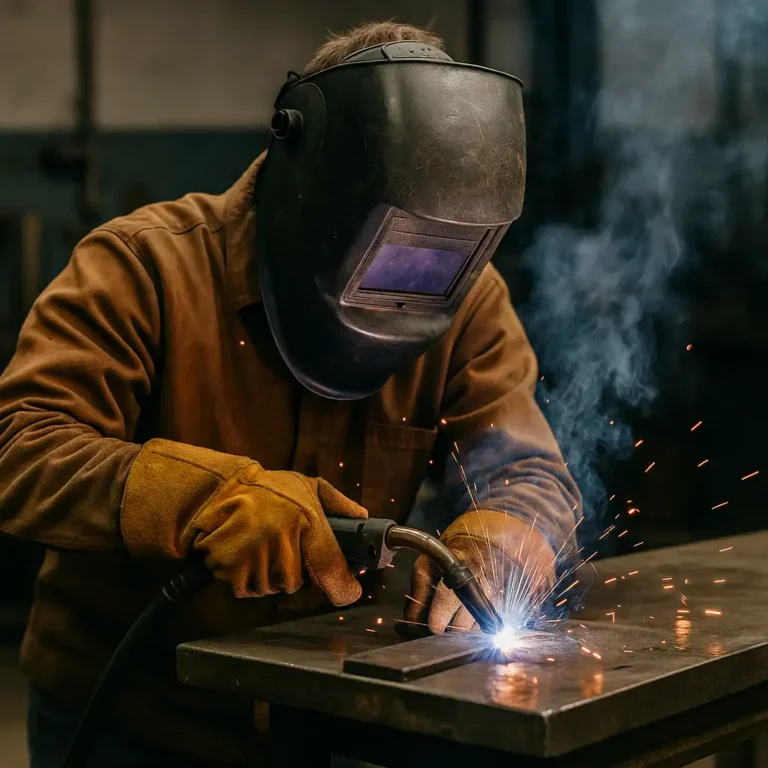
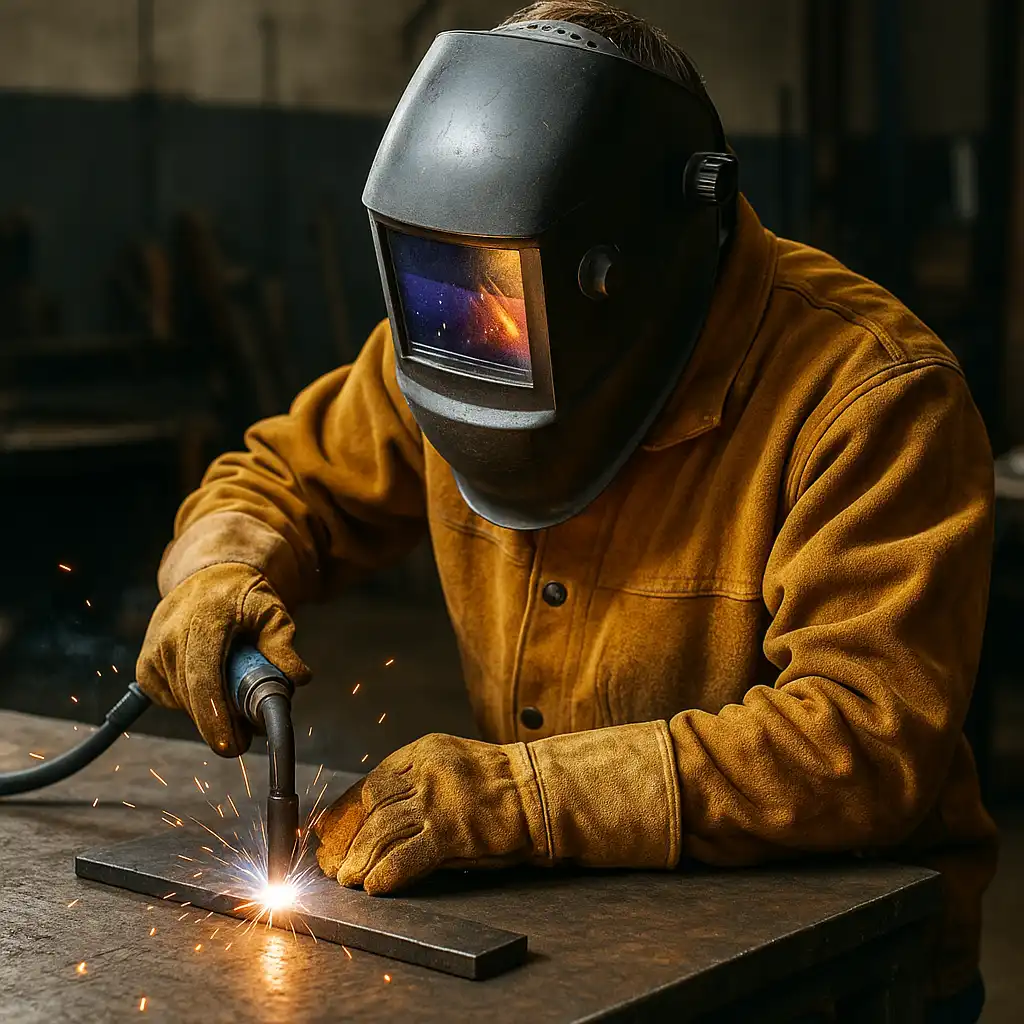
Welding safety gear isn’t optional. It’s the baseline for working safely around heat, sparks, UV radiation, and molten metal. From protective clothing to helmets and gloves, the right gear reduces the risk of burns, eye damage, and long-term injury that can build up over years in the shop.
For many welders, the challenge isn’t knowing that PPE matters. It’s understanding what safety gear is actually required, how different pieces work together, and when worn equipment stops offering real protection.
This hub brings together Welderology’s core welding safety guides in one place. It’s designed to help beginners and experienced welders make clear, practical decisions about protective gear, materials, care, and replacement without overthinking it.
🔍 Understanding Welding Safety Gear and PPE Basics
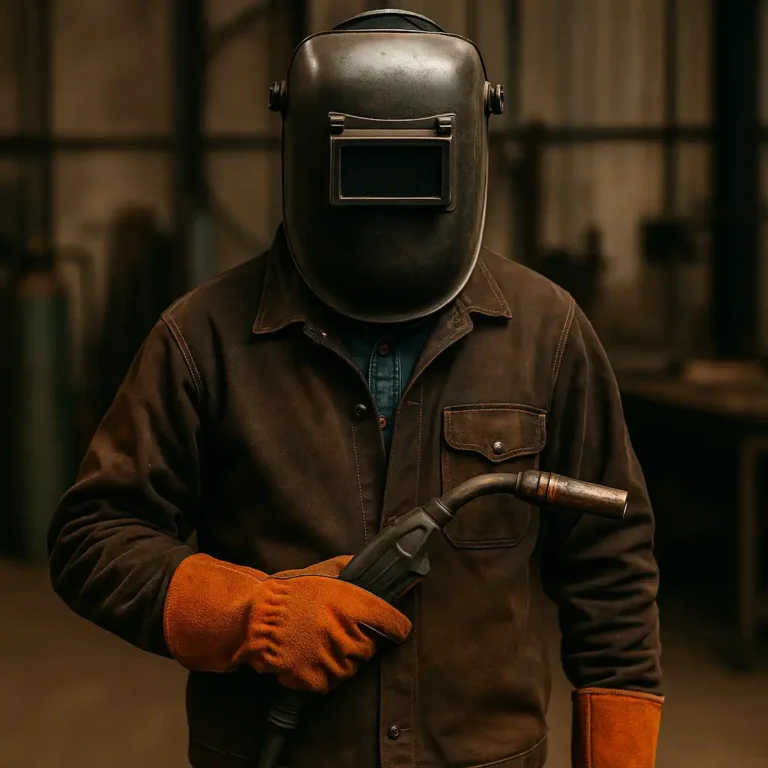
Personal Protective Equipment (PPE) for welding goes beyond a helmet and gloves. Proper protection includes clothing, eye and face protection, footwear, and supporting safety equipment built to handle heat, sparks, and arc radiation.
The guides below explain what qualifies as welding PPE and how each piece contributes to overall safety.
If you’re unsure whether your current setup is complete or suited to the type of welding you do, this section helps establish a solid safety foundation.
🔍 Fire Resistance, Materials, and Protective Clothing
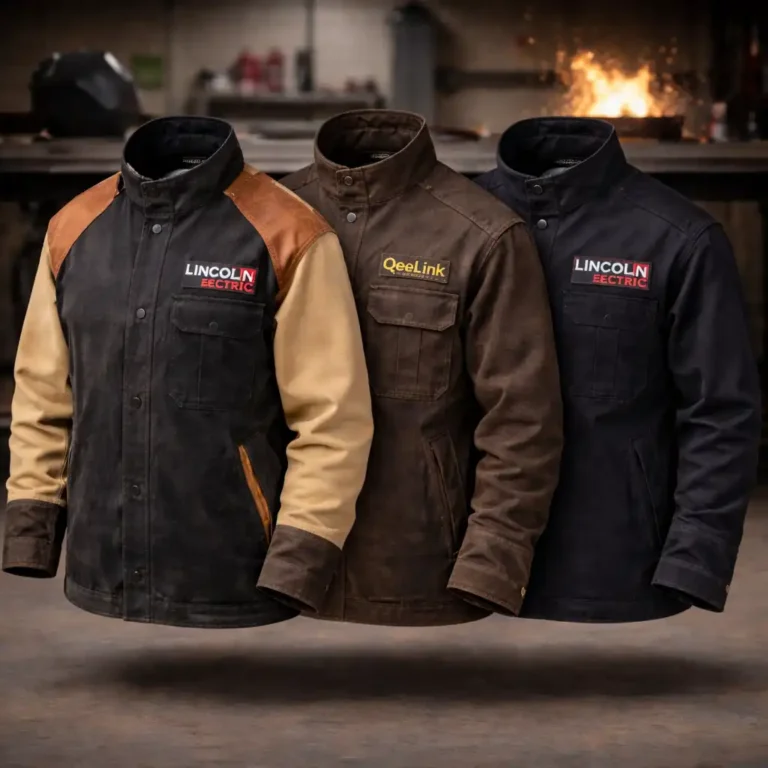
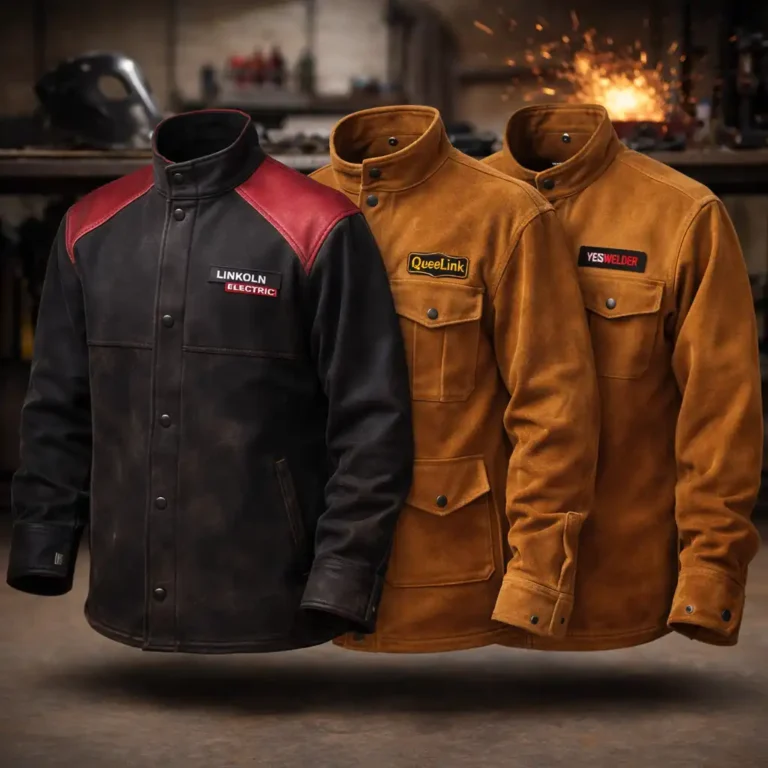
One of the biggest risks in welding is exposure to sparks, spatter, and open flame. That’s why welding clothing is made from specific materials designed to resist ignition and limit heat transfer.
These guides focus on how fire-resistant welding clothing works and what actually matters when choosing protective garments.
Understanding clothing materials helps prevent common mistakes, like wearing fabrics that melt, ignite, or fail after repeated heat exposure.
🔍 Welding Helmets, Lenses, and Head Protection
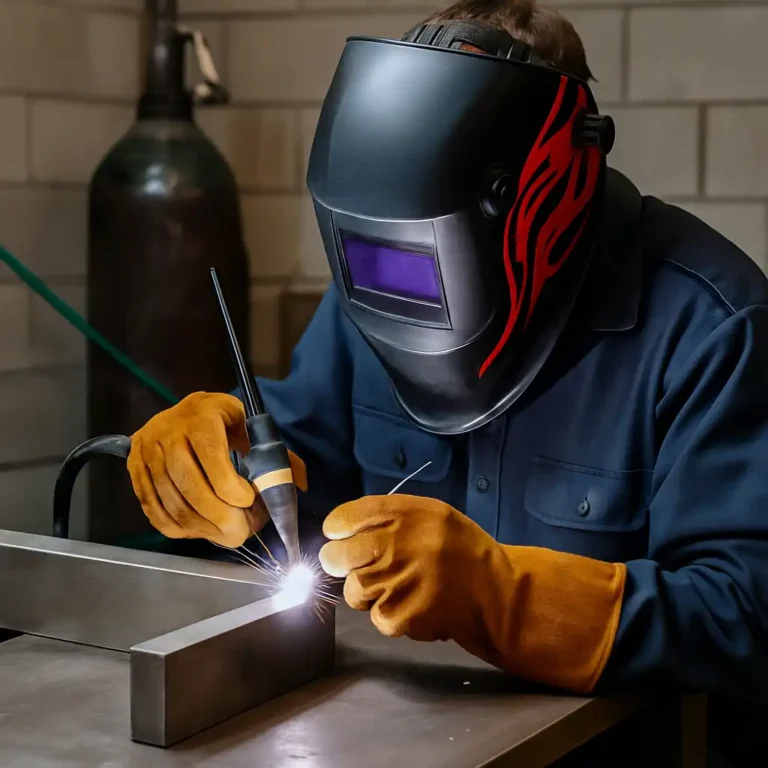
Eye and face protection are critical in welding due to intense arc light, UV radiation, and flying debris. The right helmet and lens setup affects both safety and how clearly you can work.
The articles below explain helmet components, lens types, and common mistakes that reduce protection or visibility.
If your helmet feels uncomfortable, hard to see through, or inconsistent in protection, this is a good place to start.
🔍 Caring for Welding Safety Gear
Even high-quality welding safety gear loses effectiveness if it isn’t properly maintained. Dirt, spatter buildup, and everyday wear can slowly compromise protection without being obvious at first.
This guide explains how to clean and maintain welding gear so it continues doing its job.
Good maintenance improves safety and helps extend the usable life of your equipment.
🔍 When to Replace Welding PPE
Protective gear doesn’t last forever. Heat exposure, abrasion, and regular use eventually reduce its ability to protect you the way it should.
This guide focuses on recognizing wear, damage, and warning signs that indicate it’s time to replace PPE.
Replacing gear at the right time helps prevent failures that can lead to serious injuries.
📌 Key Takeaways
- Welding safety gear protects against burns, eye damage, and long-term injury
- Proper PPE includes clothing, helmets, lenses, and supporting safety equipment
- Fire-resistant materials are essential for welding clothing
- Helmet and lens choice directly affects safety and visibility
- Safety gear should be cleaned, maintained, and replaced when worn
🟢 FAQs
Q: What safety gear is required for welding?
At a minimum, welding requires protective clothing, gloves, eye and face protection, and appropriate footwear. Additional PPE may be needed depending on the welding process and work environment.
Q: How often should welding PPE be replaced?
It depends on usage and exposure. Any gear showing burns, thinning material, cracks, or reduced protection should be replaced immediately.
Q: Are all fire-resistant clothes safe for welding?
No. Welding clothing must be specifically designed for welding environments. Some fire-resistant garments aren’t rated for sustained welding heat or spatter.
Q: Is helmet lens choice really important?
Yes. The wrong lens shade or type can lead to eye strain, poor visibility, or inadequate protection from arc radiation.
✅ Conclusion
Welding safety gear is the foundation of safe, consistent work in any shop or jobsite. Knowing what PPE is required, how protective clothing and helmets function, and when equipment needs to be replaced helps reduce risk and prevent avoidable injuries. This hub brings Welderology’s welding safety guides together so you can make informed, practical decisions about protection, maintenance, and long-term safety at any experience level.