Welding Helmet Accessories That Improve Comfort, Visibility, and Control
Disclosure: This post contains affiliate links. As an Amazon Associate, I earn from qualifying purchases—at no extra cost to you.
Last Updated: January 2026
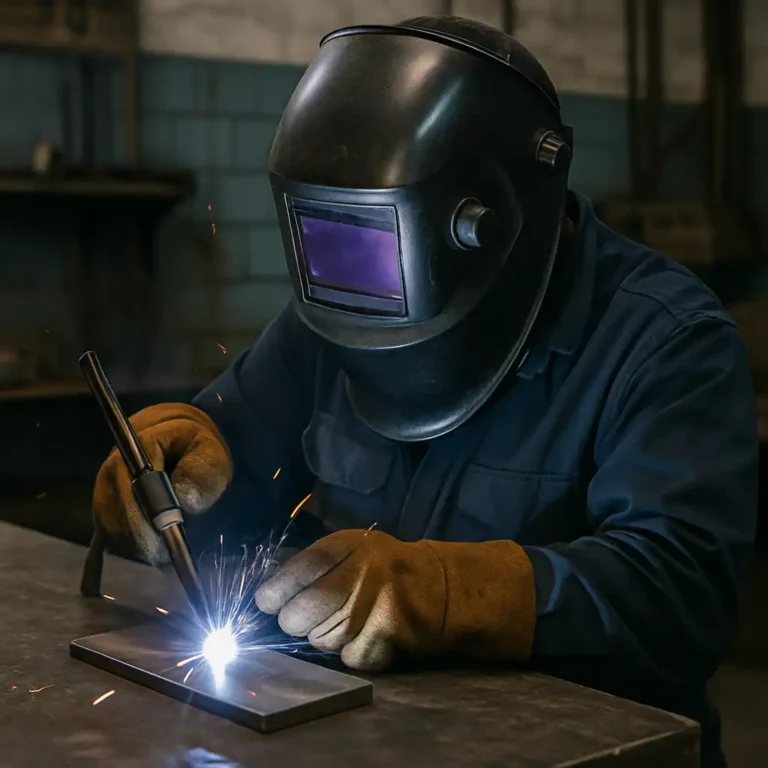
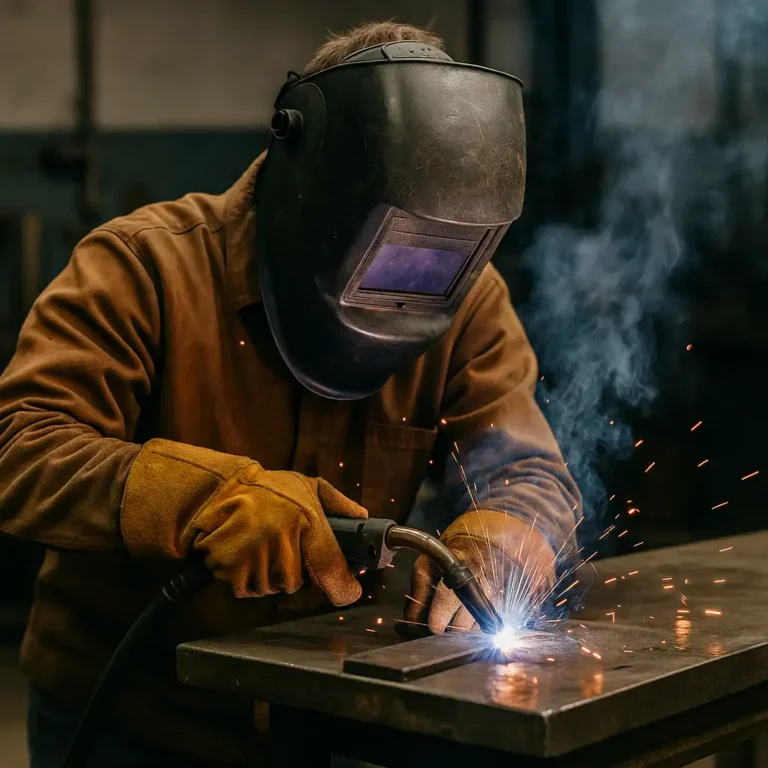
Most welding helmets work fine out of the box, but they’re rarely set up for long days under the hood. If a helmet feels uncomfortable, shifts while you weld, or limits visibility, the problem is usually accessories—not the helmet itself.
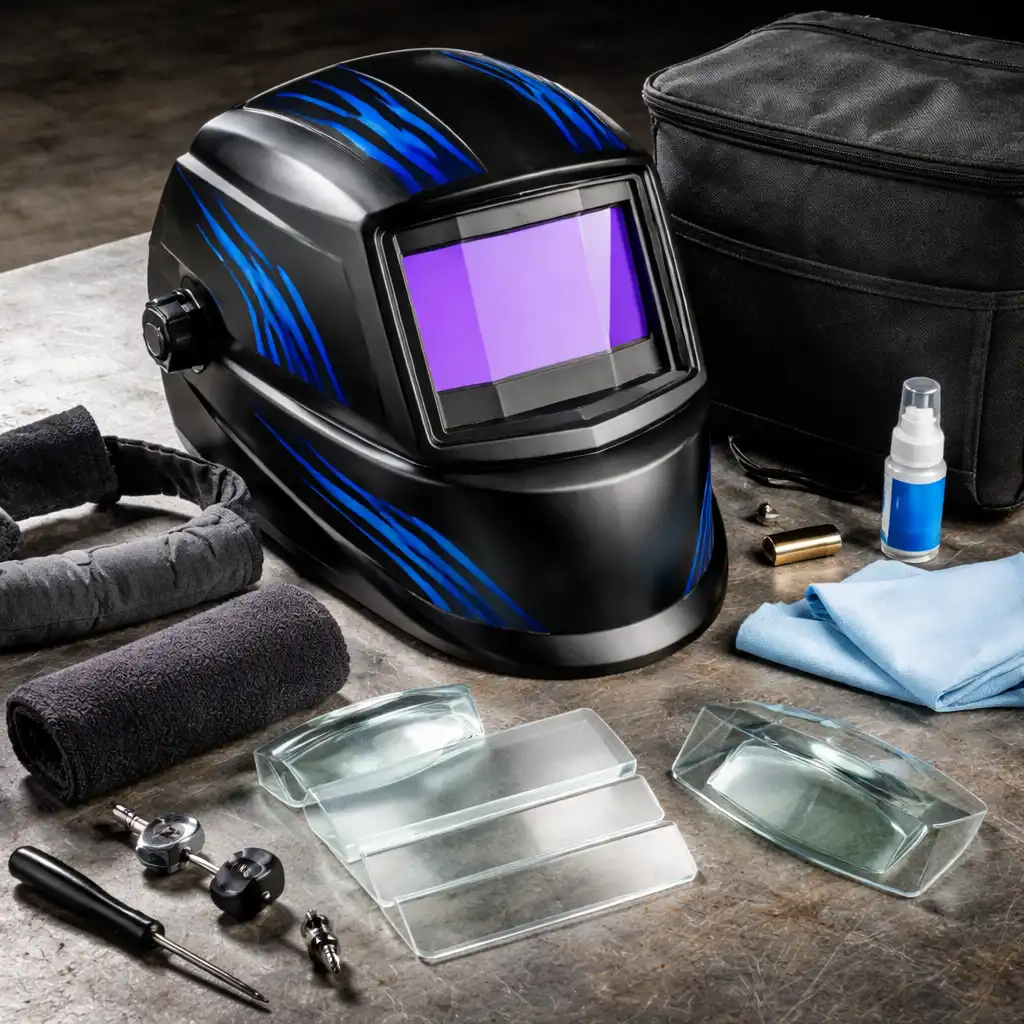
Knowing which welding helmet accessories actually matter helps you get better comfort, clearer vision, and more life out of the helmet you already own. Some accessories are essential. Others are optional. A few can be skipped without losing anything important.
👉 If you’re comparing helmet styles or planning an upgrade, our guide to best welding helmets breaks down the main helmet types and features before accessories come into play.
🔍 Why Welding Helmet Accessories Matter
Accessories don’t change how your eyes are protected, but they do change how welding feels from start to finish.
Clean lenses make the puddle easier to read. Proper headgear keeps the helmet balanced instead of fighting your neck. Sweat control helps the helmet stay put during long sessions. Small improvements like these add up fast, especially if you weld regularly.
For most welders, accessories are about comfort, consistency, and reducing fatigue—not adding complexity.
🔍 Essential Welding Helmet Accessories
Some accessories are useful for nearly every welder, no matter the process or experience level.
Replacement Lens Covers (Inner and Outer)
Lens covers are the most important helmet accessory. The outer cover takes the abuse from sparks and spatter, while the inner lens keeps glare and smudges away from your eyes.
Replacing lens covers regularly keeps visibility sharp and protects the auto-darkening filter underneath.
Headgear Replacement Kits
Worn headgear is one of the most common reasons a helmet stops fitting right.
Loose straps, flattened padding, or broken adjustment points cause helmets to slip or drop without warning. Replacing the headgear restores balance and stability and often makes an older helmet feel new again.
Sweatbands and Forehead Pads
Sweatbands are a small upgrade that makes a big difference.
They absorb moisture, reduce slipping, and help prevent pressure points during long welding sessions. This matters most in hot shops or during extended welds.
🔍 Accessories That Improve Precision and Visibility
These accessories matter most when accuracy and detail count.
Magnifying (Cheater) Lenses
Magnifying lenses help with close-up work, thin material, and fine joints. They snap into many auto-darkening helmets and come in different strengths.
TIG welders and anyone doing precision fabrication usually see the biggest benefit.
Auto-Darkening Lens Replacement
If the helmet shell and headgear are still solid, replacing the auto-darkening lens can extend the helmet’s usable life.
This makes sense when sensors become unreliable or reaction time slows, but the rest of the helmet is still in good shape.
🔍 Maintenance and Longevity Accessories
These accessories help protect the helmet between jobs and over time.
Battery Replacement or Backup Power
Some auto-darkening helmets rely on replaceable batteries. Keeping fresh batteries on hand prevents lens failure mid-weld and avoids unnecessary downtime.
Helmet Storage Bags or Cases
Storage bags protect lenses from scratches, dust, and impact during storage or transport. This is especially useful for mobile welders or shared shop spaces.
🔍 Jobsite-Specific Welding Helmet Accessories
Not every accessory is needed in every work environment.
Hard Hat Adapters
On construction and industrial jobsites, welding helmets often need to mount to hard hats. Adapter kits make this possible and are required under many site safety rules.
Replacement Side Knobs and Pivot Hardware
If a helmet won’t stay up or drops unexpectedly, worn pivot hardware is often the cause. Replacing side knobs or tension assemblies restores smooth movement and proper balance.
🔍 Accessories Most Welders Can Skip
Not every accessory adds real value.
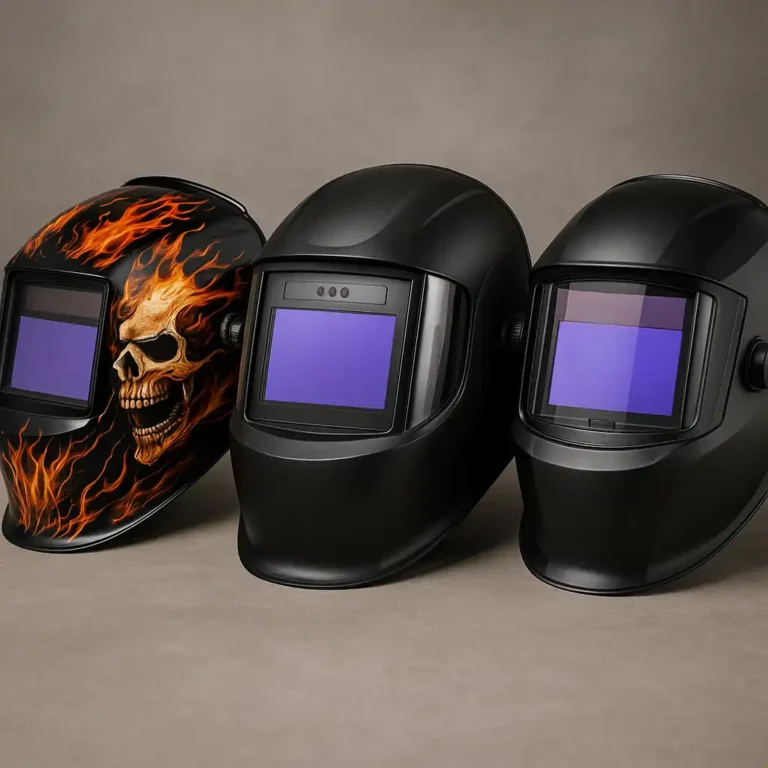
Decorative covers, harsh cleaning sprays, and generic padding usually offer little benefit and can sometimes create problems. Accessories that improve fit, visibility, or durability tend to be the most worthwhile.
📌 Key Takeaways
- Welding helmet accessories improve comfort and usability
- Lens covers and headgear upgrades matter most
- Sweat control helps reduce fatigue during long sessions
- Precision accessories benefit detailed welding work
- Many cosmetic accessories offer little real value
🟢 FAQs
Q: Do welding helmet accessories improve safety?
They don’t change protection levels, but they improve visibility, comfort, and consistency.
Q: How often should lens covers be replaced?
Whenever scratches, spatter, or haze start affecting visibility.
Q: Are welding helmet accessories universal?
Some are, but lens sizes, headgear mounts, and filters vary by helmet model.
Q: Are accessories worth upgrading before buying a new helmet?
Often, yes. Replacing worn parts can restore comfort and performance.
✅ Conclusion
Welding helmet accessories aren’t about making a helmet more complicated. They’re about making it easier to weld comfortably and consistently. The right accessories improve visibility, reduce fatigue, and help your helmet last longer—often without needing a full replacement.