How to Clean a Welding Helmet Properly (Inside and Out)
Disclosure: This post contains affiliate links. As an Amazon Associate, I earn from qualifying purchases—at no extra cost to you.
Last Updated: January 2026
A dirty welding helmet makes welding harder than it needs to be. Smudged lenses reduce visibility, grime inside the shell causes discomfort, and buildup around the headgear shortens the life of the helmet.
Knowing how to clean a welding helmet properly keeps your view clear and your gear comfortable. Whether you weld once in a while or spend full days under the hood, regular cleaning is a simple habit that pays off quickly.
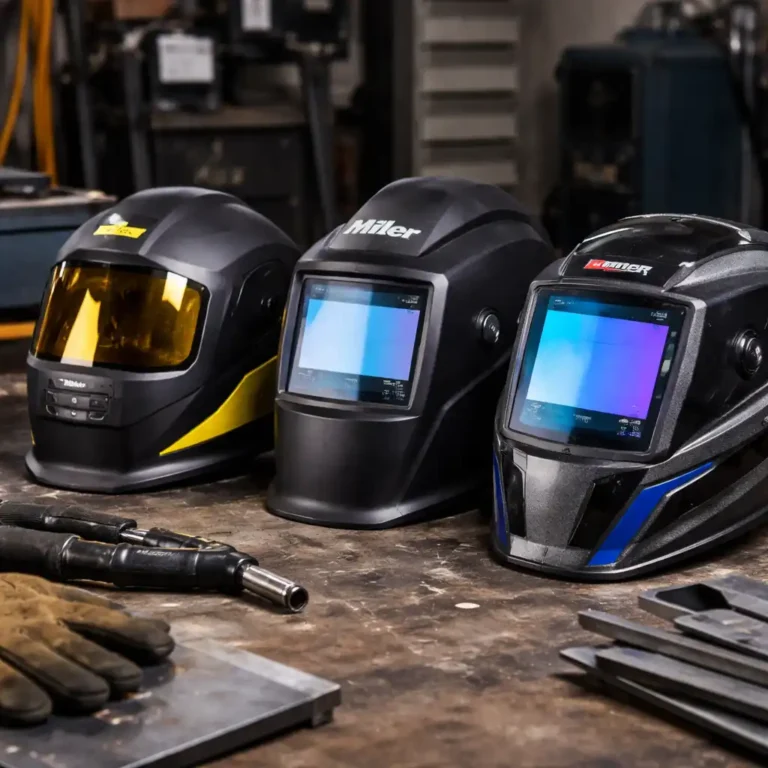
👉 If you’re still figuring out which helmet fits your setup best, this guide to best welding helmets covers comfort, safety features, and fit options.
🔍 Why Cleaning Your Welding Helmet Matters
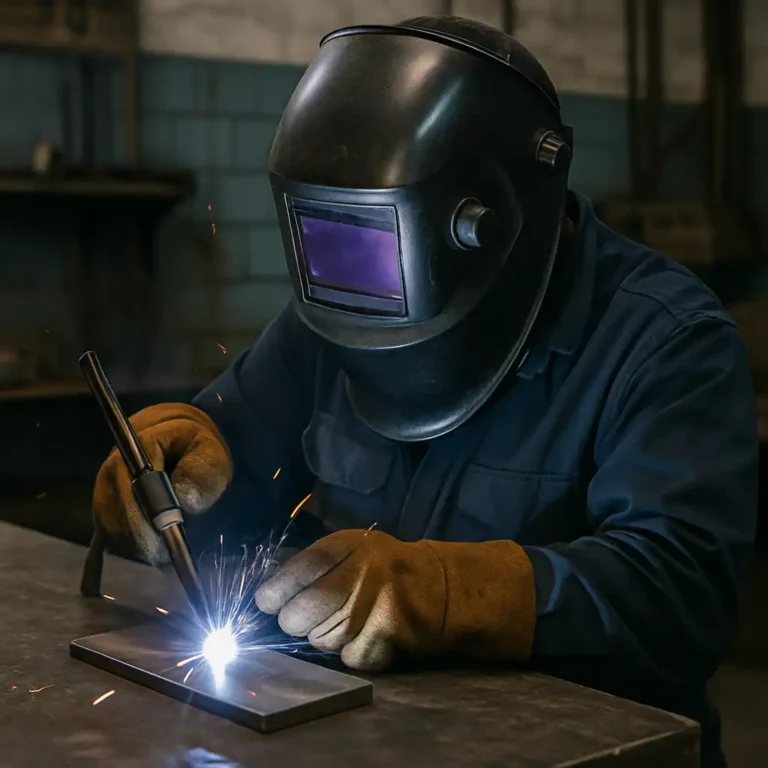
Welding helmets take constant abuse. Dust, sparks, sweat, and metal residue build up fast, especially around the lens and headgear.
A dirty outer lens makes the puddle harder to see. Grime on the inner lens creates glare and eye strain. Over time, sweat and debris inside the helmet also wear down padding and plastic parts.
Keeping the helmet clean improves visibility, extends its lifespan, and makes long welding sessions noticeably more comfortable.
🔍 What You Should Clean on a Welding Helmet
Cleaning a welding helmet isn’t just about the front lens.
The outer lens cover, inner lens, helmet shell, and headgear all need attention. If the helmet uses an auto-darkening filter, that area requires extra care to avoid damage.
Cleaning every contact and viewing surface helps the helmet perform the way it’s supposed to.
🔍 How to Clean the Outer Lens Safely
The outer lens usually needs the most attention since it takes the brunt of sparks and debris.
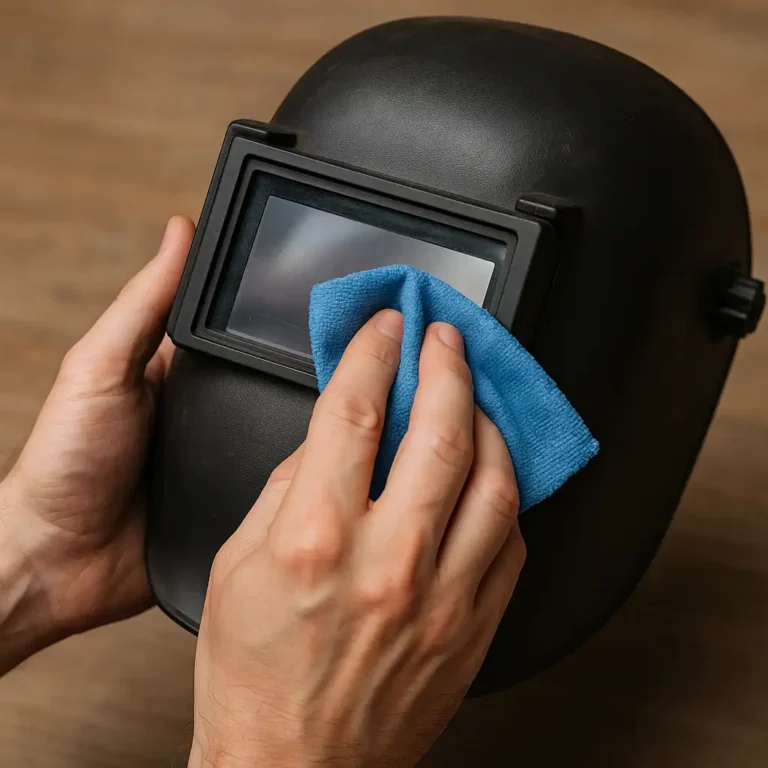
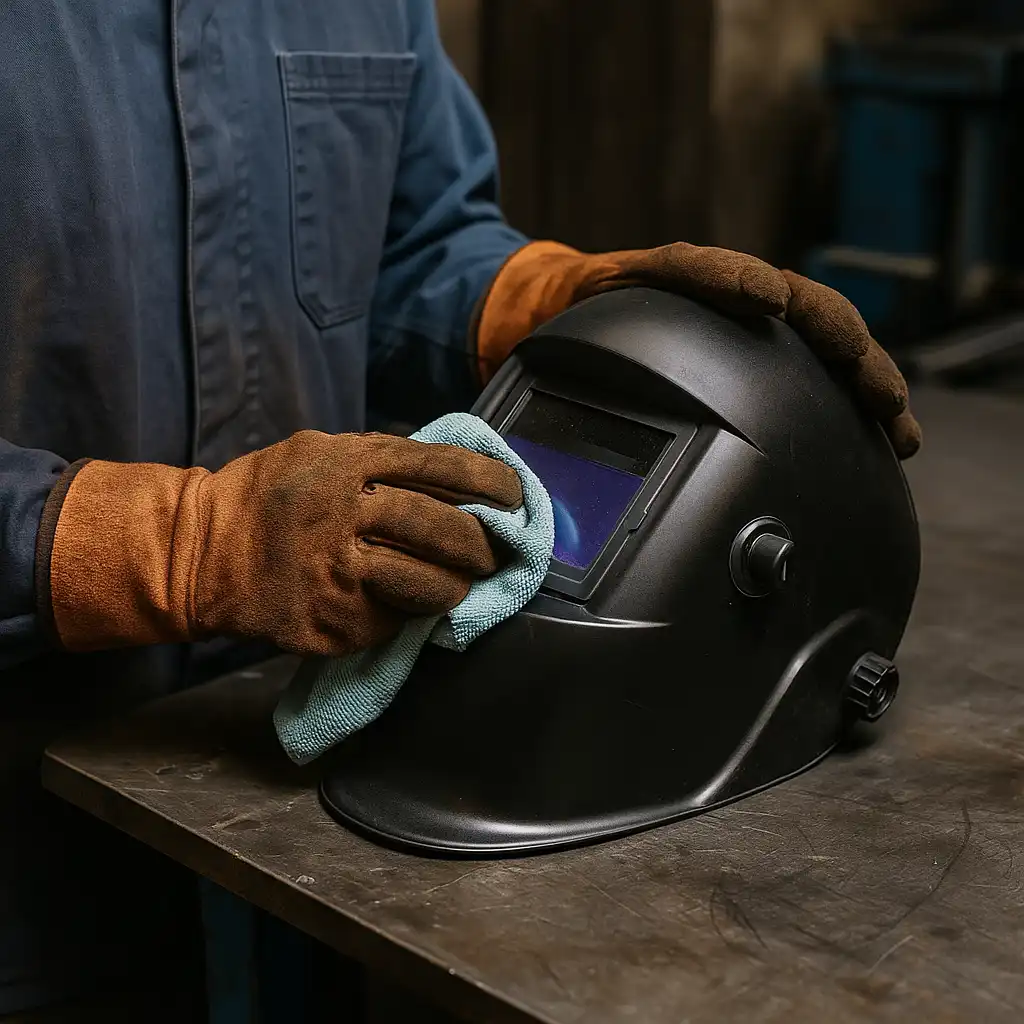
Start by removing loose dust with a soft cloth or compressed air. Then wipe the lens using a microfiber cloth lightly dampened with water or a mild, lens-safe cleaner. Avoid harsh chemicals, solvents, or standard glass cleaners.
If the lens stays scratched or cloudy after cleaning, replacing it is safer than welding with poor visibility.
🔍 Cleaning the Inner Lens and Viewing Area
The inner lens needs a lighter touch.
If your helmet allows it, remove the lens and wipe it carefully with a clean microfiber cloth. Even small smudges here can cause glare and eye fatigue, so patience matters.
Never use paper towels or abrasive pads. If the inner lens is permanently hazy or scratched, replacement is the safest option.
🔍 How to Clean the Helmet Shell and Headgear
The shell and headgear collect sweat, dust, and residue over time.
Wipe the shell with a damp cloth and mild soap if needed. For headgear, remove padding if it’s detachable and clean it according to the manufacturer’s instructions. Let everything dry completely before reassembling the helmet.
Clean headgear improves comfort and helps prevent odors during long workdays.
🔍 Cleaning Auto-Darkening Welding Helmets
Auto-darkening helmets require extra caution.
Never soak or submerge the helmet. Clean only the lens covers and exterior surfaces with a lightly damp cloth. Gently wipe sensors and solar panels so they stay clear and responsive.
If you’re unsure, checking the manufacturer’s recommendations can help prevent damage to electronics.
🔍 How Often Should You Clean a Welding Helmet?
How often you clean your helmet depends on how often you weld and where you work.
For regular shop or jobsite use, wiping the lens after each session and doing a deeper clean weekly works well. Occasional welders can clean less often, but should always clean the lens before detailed or critical work.
Light, consistent cleaning prevents buildup from becoming a bigger problem later.
📌 Key Takeaways
- A clean welding helmet improves visibility and comfort
- Inner and outer lenses both need regular attention
- Microfiber cloths and mild cleaners work best
- Cleaning headgear reduces wear and odors
- Auto-darkening helmets require extra care around electronics
🟢 FAQs
Q: Can I use glass cleaner on a welding helmet lens?
No. Most glass cleaners contain chemicals that can damage lens coatings and plastic.
Q: How do I know when to replace a lens instead of cleaning it?
If scratches or haze remain after cleaning, replacing the lens is the safer option.
Q: Can I wash welding helmet padding?
Some padding can be washed, but always follow the manufacturer’s instructions.
Q: Is it safe to clean an auto-darkening helmet with water?
Only lightly damp cloths should be used. Never soak or submerge the helmet.
✅ Conclusion
Knowing how to clean a welding helmet properly keeps your vision clear, your gear comfortable, and your helmet doing its job. A few minutes of regular cleaning helps prevent eye strain, reduces wear, and extends the life of your helmet—making every welding session smoother and safer.