How to Adjust a Welding Helmet for Proper Fit, Comfort, and Clear Vision
Disclosure: This post contains affiliate links. As an Amazon Associate, I earn from qualifying purchases—at no extra cost to you.
Last Updated: January 2026
A welding helmet that isn’t adjusted right can wear you out faster than bad technique. Neck strain, poor visibility, and helmets that won’t stay put usually come down to fit—not the helmet itself. Even a quality lid won’t perform well if it’s sitting wrong on your head.
Knowing how to adjust a welding helmet properly makes a real difference in comfort, visibility, and safety. Whether you’re new to welding or have years under the hood, a well-fitted helmet lets you focus on the weld instead of constantly fighting your gear.
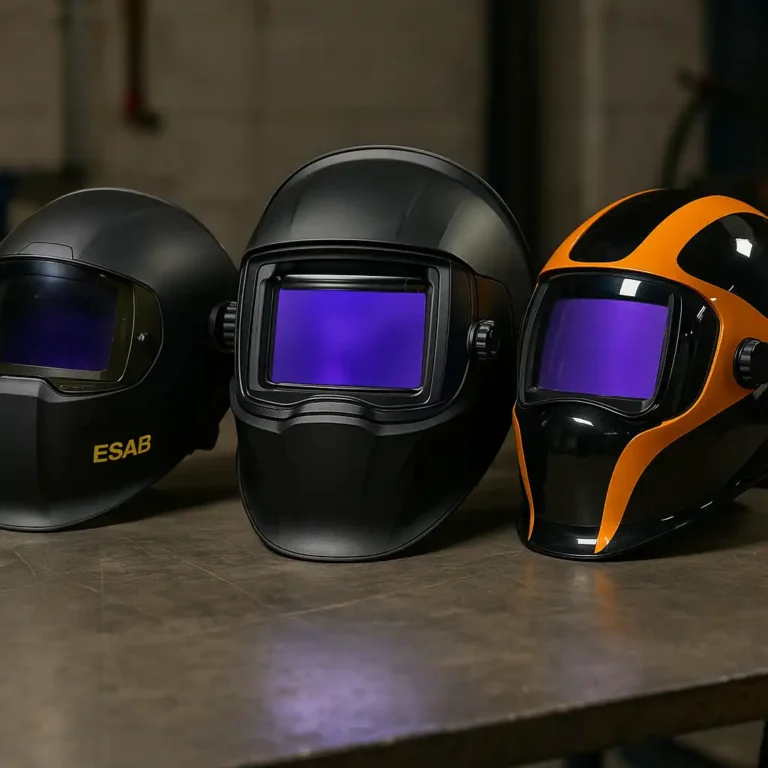
👉 If you’re still choosing a helmet or thinking about upgrading, our guide to the best welding helmets breaks down comfort, features, and fit styles.
🔍 Why Proper Welding Helmet Adjustment Matters
Helmet adjustment affects more than just comfort. It directly impacts how clearly you see the puddle and how long you can weld without fatigue.
A helmet that sits too close or too far from your face can distort your view and depth perception. Poor balance causes the helmet to drop unexpectedly or shift while you move, breaking concentration and adding strain to your neck.
When everything is adjusted correctly, the lens lines up naturally with your eyes, protection stays consistent, and long sessions feel much easier.
🔍 Step-by-Step: How to Adjust a Welding Helmet
Most modern welding helmets share the same basic adjustment points. Spending a few minutes dialing them in saves a lot of frustration later.
Adjust the Headband Size
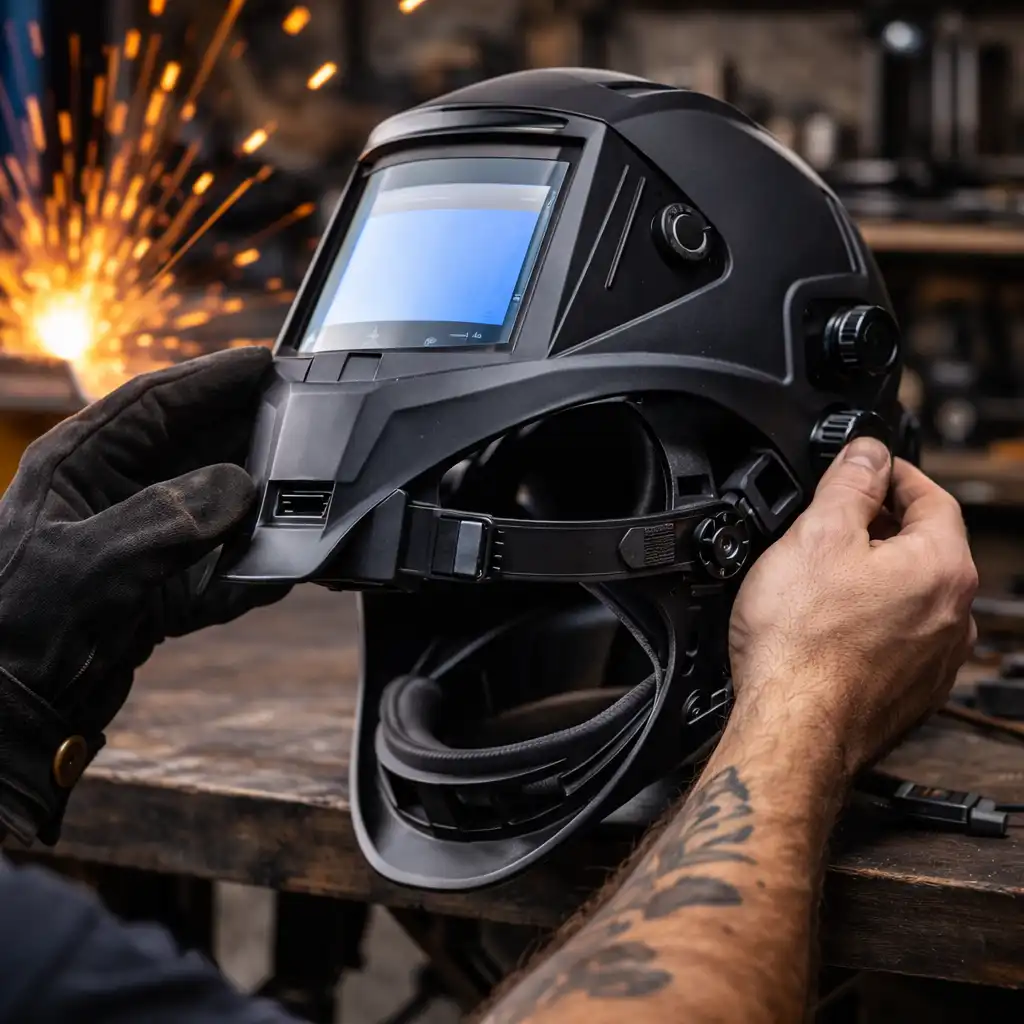
Start with the headband. Use the rear dial or strap to tighten or loosen it until the helmet feels secure without squeezing your head. It should stay in place when you nod or turn your head but shouldn’t feel tight.
Too loose and the helmet slides around. Too tight and you’ll feel pressure before the first break.
Set the Helmet Height on Your Head
Next, set the height so the lens naturally lines up with your eyes. When the helmet is down, your eyes should sit close to the center of the viewing window.
If the helmet rides too low, airflow and visibility suffer. If it’s too high, you’ll end up tilting your neck to compensate.
Adjust the Tilt Angle
Most helmets allow you to change how far the shell tilts when lowered. This controls where the helmet rests while welding.
The helmet should drop smoothly into position and stop at a comfortable viewing angle. If it tips too far forward or back, adjust the tilt until the lens sits square in front of your eyes.
Balance the Pivot Tension
Side knobs control how easily the helmet flips up and down. Tighten them enough so the helmet stays up when raised but drops smoothly when you pull it down.
If the tension is too loose, the helmet will fall without warning. Too tight, and it becomes awkward to lower mid-job.
🔍 Fine-Tuning for Comfort During Long Welding Sessions
Once the main adjustments are set, small tweaks can make a big difference.
Check that the padding isn’t creating pressure points on your forehead or temples. If your helmet allows headgear arm adjustments, use them to balance the weight evenly across your head.
For long welding sessions, the goal is a helmet that feels stable and almost disappears once you’re working.
🔍 Common Welding Helmet Adjustment Mistakes
A lot of welders rush helmet setup and pay for it later.
Overtightening the headband is one of the most common mistakes and usually leads to headaches. Skipping tilt adjustment forces your neck to do extra work. Loose pivot tension causes helmets to drop mid-weld, which is both annoying and unsafe.
Taking a few extra minutes to adjust everything properly avoids these issues.
📌 Key Takeaways
- Proper helmet adjustment improves comfort, safety, and visibility
- Headband fit, height, tilt, and balance all matter
- A stable helmet reduces neck strain during long welding sessions
- Small adjustments add up over a full workday
- Even high-quality helmets need correct setup to perform well
🟢 FAQs
Q: How tight should a welding helmet be?
Snug enough to stay in place without causing pressure points or headaches.
Q: Should my eyes be centered in the lens?
Yes. Your eyes should naturally align near the center of the viewing area for the best visibility.
Q: Why does my helmet keep dropping while welding?
This usually means the side pivot tension is set too loose and needs tightening.
Q: Do different welding processes require different helmet adjustments?
The fit stays the same, but shade and sensitivity settings may change between processes.
✅ Conclusion
Knowing how to adjust a welding helmet properly makes welding safer and far more comfortable. A helmet that fits well stays in place, keeps the lens aligned, and reduces fatigue during long sessions. Taking the time to set it up right pays off every time you strike an arc.