Best Welding Wire Cleaners: Keep Wire Feeding Smooth and Arc Performance Consistent

Disclosure: This post contains affiliate links. As an Amazon Associate, I earn from qualifying purchases—at no extra cost to you.
Last Updated: December 2025
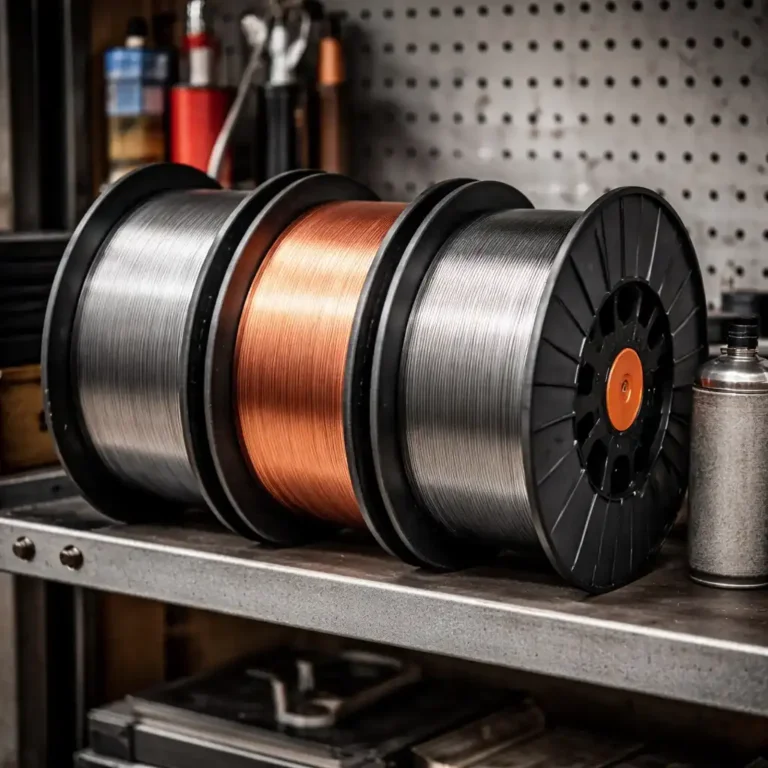
Dirty welding wire is one of the most common causes of feeding problems, burnbacks, and unstable arcs—especially in MIG welding. Rust, dust, and fine shop debris collect on wire spools over time and get pulled straight into the liner, drive rolls, and contact tip. Once that happens, feed resistance increases and weld consistency starts to suffer.
A simple wire cleaner helps prevent those issues before they show up mid-weld. Keeping wire clean is one of the easiest ways to improve feeding performance without constantly adjusting machine settings.
The three welding wire cleaners below cover the most common shop needs: dedicated cleaning pads, a cleaner-and-lube combo, and a multi-function tool that supports everyday MIG maintenance.
👉 If you’re dialing in a reliable wire feed setup, this breakdown of how welding consumables affect wire feeding and arc stability explains how clean wire, proper lubrication, and torch maintenance all work together in real shop conditions.
💰 Check Price & Availability
View on Amazon – Weld-Aid 7061 Lube-Matic Wire Kleener Pads (6-Pack)
View on Amazon – Weld-Aid 007062 Lube-Matic Combo-Pak (Red & Black Pads)
View on Amazon – SPEEDWOX MIG Welding Pliers with Nozzle Cleaner
📋 Quick-View Comparison List
Best Dedicated Wire Cleaning Pads: Weld-Aid 7061 Lube-Matic Pads
Best Cleaner + Lube Combo: Weld-Aid Lube-Matic Combo-Pak
Best Multi-Function MIG Tool: SPEEDWOX MIG Welding Pliers
🔍 Why Welding Wire Cleaners Matter
As welding wire feeds off the spool, it naturally picks up dust, surface rust, and airborne debris from storage and handling. That contamination travels straight through the liner and into the contact tip, increasing friction and creating inconsistent feeding.
Wire cleaners remove debris before it enters the gun, helping reduce burnbacks, smooth out feeding, and extend the life of liners and contact tips.
🔍 Types of Welding Wire Cleaners Explained
There are a few common ways welders keep wire clean in everyday shop setups:
- Wire cleaning pads wipe the wire continuously as it feeds
- Cleaner and lube combinations remove debris and apply light lubrication
- Multi-function tools support wire cleaning as part of overall MIG maintenance
The right choice depends on how often you weld, how long your gun lead is, and how clean your wire stays between jobs.
📦 Weld-Aid 7061 Lube-Matic Wire Kleener Pads – Best Dedicated Cleaner
Weld-Aid’s red Lube-Matic pads are a long-standing industry standard for cleaning welding wire. They remove rust, dust, and surface contamination before the wire reaches the liner and contact tip.
They’re compatible with steel, stainless, and aluminum wire and are simple to install at the feeder. For most welders, these pads deliver the most noticeable improvement in feed consistency.
📦 Weld-Aid Lube-Matic Combo-Pak – Best Cleaner + Lube Option
The Weld-Aid Combo-Pak includes one red cleaning pad and one black lubricating pad. This setup lets you clean the wire first, then apply a light lubricant to reduce drag inside the liner.
It’s especially helpful for longer gun leads, older machines, or setups where wire feeding feels tight even after cleaning.
📦 SPEEDWOX MIG Welding Pliers – Best Multi-Function Tool
SPEEDWOX MIG pliers combine several everyday maintenance tools into one. They include a built-in nozzle cleaner, wire cutter, scraper, and gripping jaws for quick adjustments during welding.
While they don’t replace a dedicated wire cleaner, they’re extremely useful for keeping the gun end clean and handling small maintenance tasks without breaking your workflow.
🔍 Choosing the Right Wire Cleaner for Your Setup
If wire contamination is a frequent issue, dedicated cleaning pads provide the most consistent results. For longer liners or older equipment, adding light lubrication can noticeably improve feed smoothness.
Multi-function tools work best as a supplement rather than a replacement for proper wire cleaning at the spool.
📌 Key Takeaways
- Dirty wire increases friction and causes feeding problems
- Wire cleaners remove debris before it enters the liner
- Dedicated pads offer the most consistent cleaning
- Cleaner and lube combos help with long or worn liners
- Regular wire maintenance improves arc stability
🟢 FAQs
Q: Do welding wire cleaners really make a difference?
Yes. Clean wire feeds more smoothly and reduces liner and contact tip wear.
Q: Can wire cleaners be used on aluminum wire?
Yes. Most wire cleaning pads are safe for aluminum when used correctly.
Q: Should welding wire be lubricated?
Light lubrication can help in some setups, but too much can attract debris.
Q: How often should wire cleaners be replaced?
Replace pads once they become dirty or stop wiping the wire effectively.
✅ Conclusion
The best welding wire cleaner depends on how often you weld and how much contamination your wire picks up between jobs. Weld-Aid’s Lube-Matic pads provide reliable wire cleaning, the Combo-Pak adds lubrication for smoother feeding, and SPEEDWOX MIG pliers support everyday maintenance tasks. Keeping wire clean helps prevent feeding issues and leads to more consistent weld performance.