Welding Helmet Lens Replacement: When and How to Do It Safely
Disclosure: This post contains affiliate links. As an Amazon Associate, I earn from qualifying purchases—at no extra cost to you.
Last Updated: January 2026
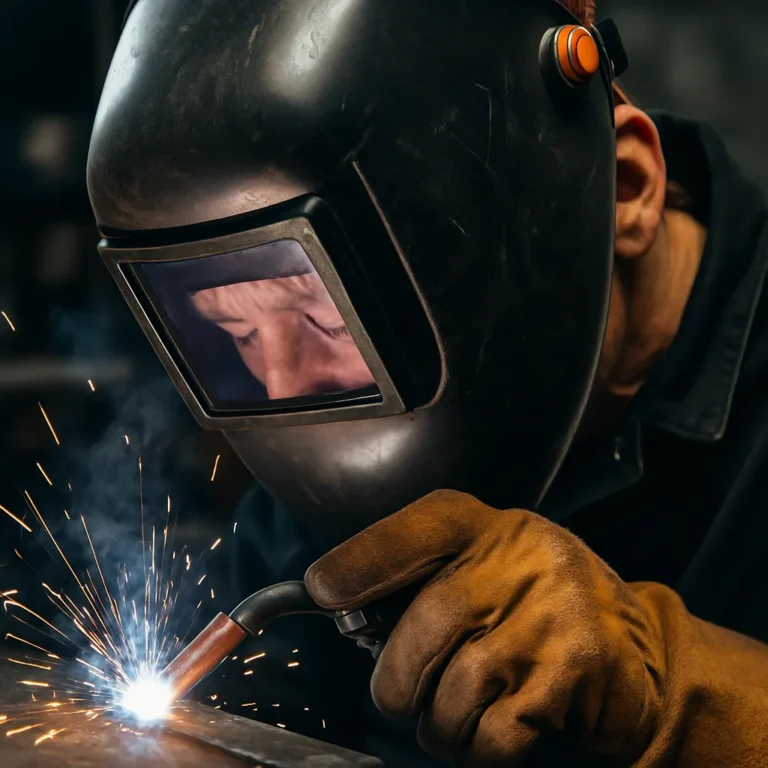
A worn welding helmet lens doesn’t just make welding frustrating—it can quietly turn into a safety issue. When visibility drops, your eyes work harder, the puddle gets tougher to read, and fatigue sets in faster than it should. In some cases, damaged lenses can even affect proper eye protection.
Knowing when and how to handle welding helmet lens replacement keeps your vision clear and your helmet doing its job. Whether it’s a simple cover lens or an auto-darkening filter, this is basic maintenance that makes a real difference over time.
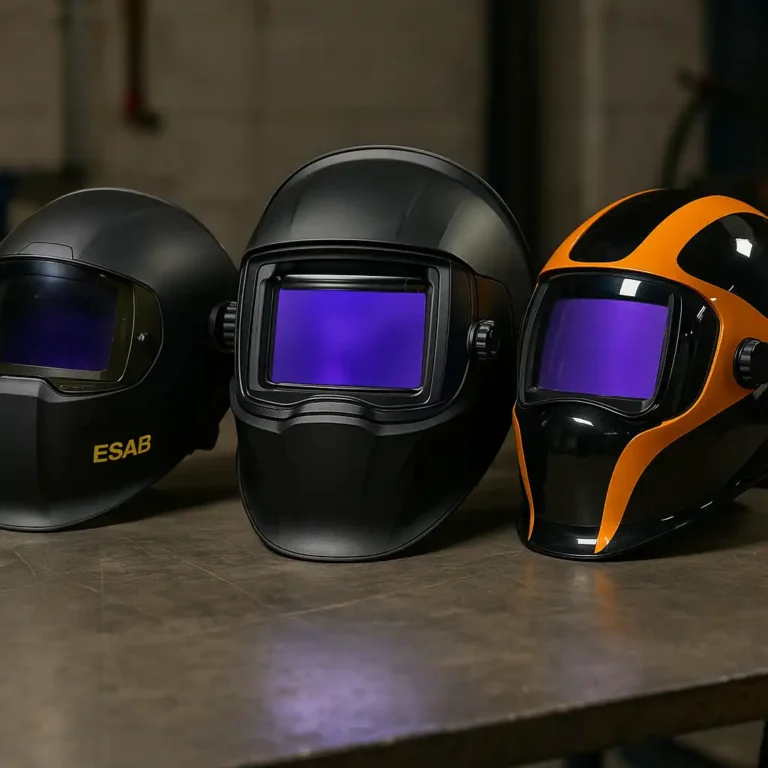
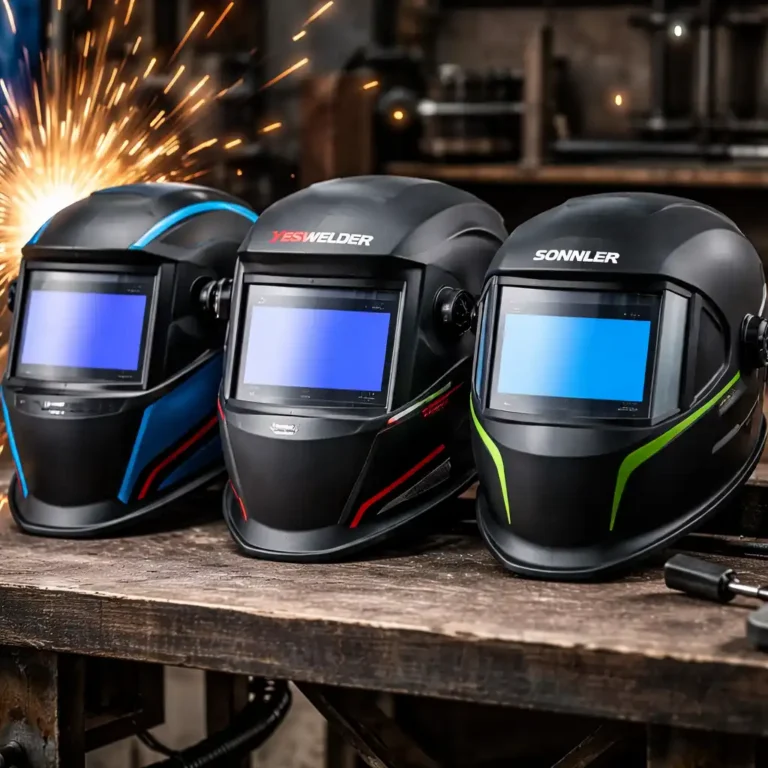
👉 If you’re unsure how different lens types fit into overall helmet design, our guide on how to choose a welding helmet explains what to look for and why it matters.
🔍 Types of Welding Helmet Lenses
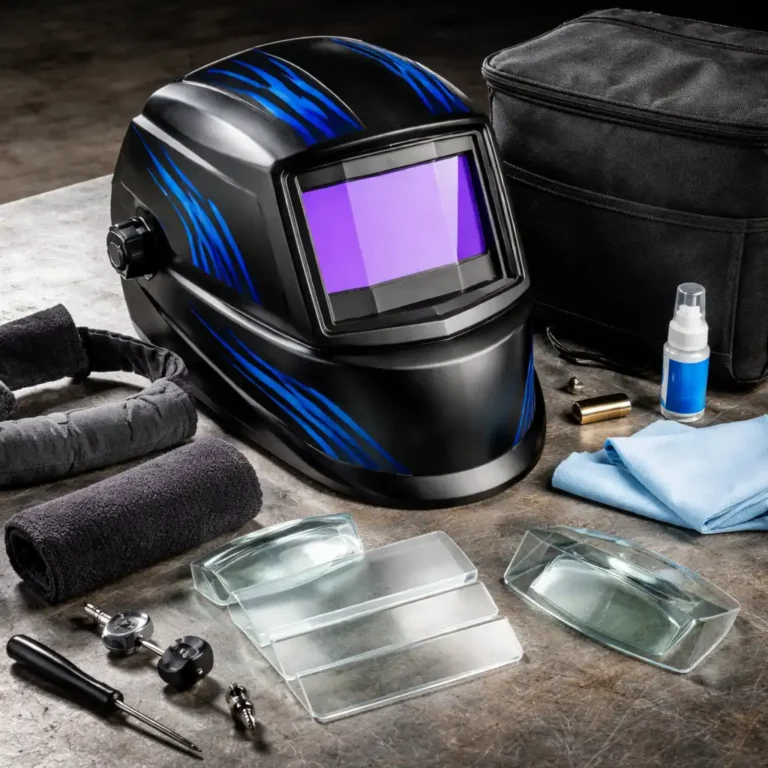
Most welding helmets use more than one lens, and each one serves a specific purpose.
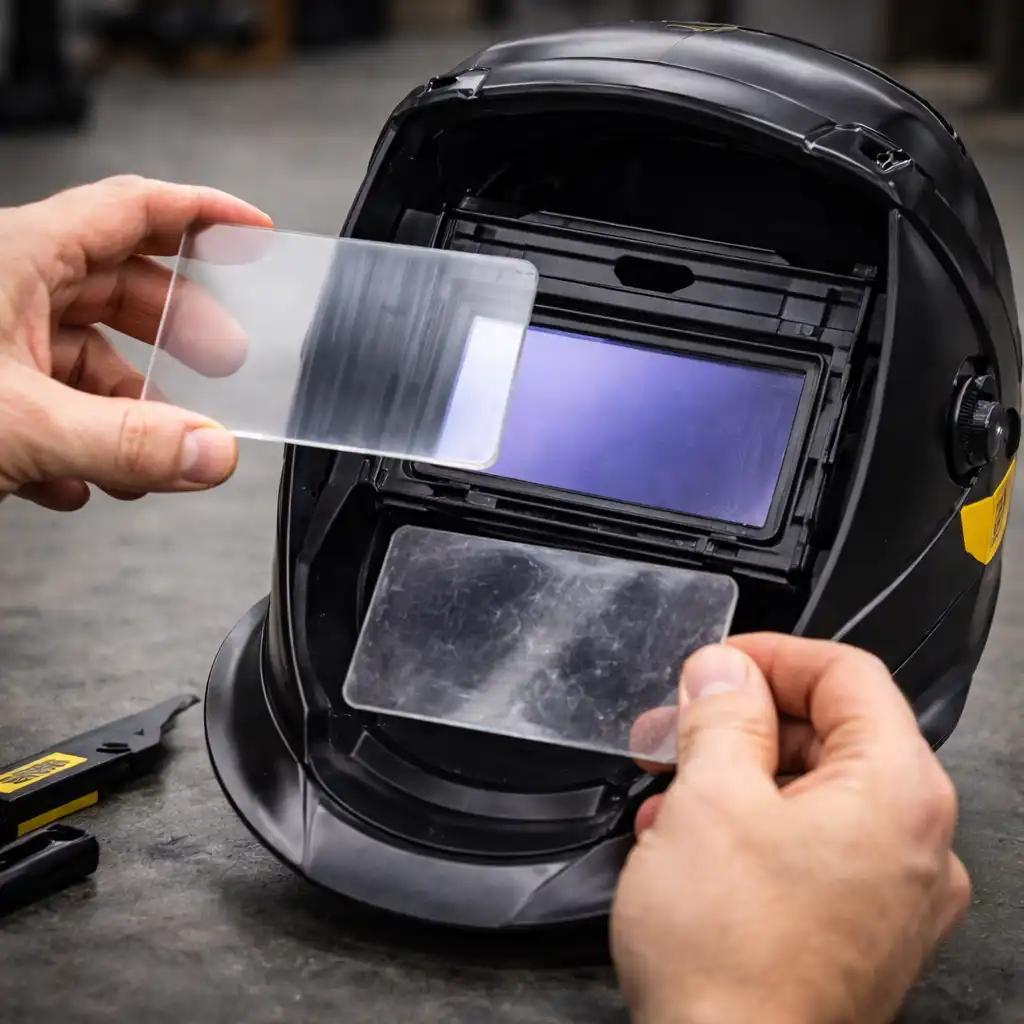
The outer cover lens takes the abuse from sparks, spatter, and grinding debris. The inner cover lens protects the main filter from sweat, dust, and moisture inside the helmet. Auto-darkening helmets also include an ADF (auto-darkening filter) that controls shade changes while welding.
Understanding which lens does what helps you replace only what’s worn instead of replacing parts unnecessarily.
🔍 Signs It’s Time to Replace Your Welding Helmet Lens
Some warning signs are obvious, while others build slowly.
Deep scratches, cracks, or pitting reduce clarity and make it harder to track the puddle. Cloudy areas or distortion can show up after repeated heat exposure. If an auto-darkening lens starts flickering, reacting slowly, or failing to darken every time, that’s another sign something isn’t right.
Replacing lenses early keeps visibility sharp and prevents unnecessary eye strain.
🔍 How Often Welding Helmet Lenses Should Be Replaced
There’s no single replacement schedule that fits everyone.
In heavy shop use, cover lenses may need changing every few weeks. For lighter or occasional welding, they can last several months. Auto-darkening filters usually last much longer, but once performance becomes inconsistent, replacement is the safest move.
A quick lens check before welding can catch problems early.
🔍 Step-by-Step: How to Replace a Welding Helmet Lens
Lens replacement is usually straightforward and only takes a few minutes.
Remove the helmet and place it on a clean, stable surface. Open the lens frame or retaining clips according to the helmet’s design. Carefully remove the old lens, watching for sharp edges or cracked plastic.
Install the new lens in the correct orientation so it sits flat and secure. Close the frame and make sure everything seals properly before welding again.
🔍 Common Welding Helmet Lens Replacement Mistakes
Most lens problems come from simple oversights.
Installing a lens backward can affect clarity or sensor response. Using the wrong size can leave gaps that let in spatter or stray light. Skipping the inner cover lens allows sweat and dust to reach the main filter, shortening its lifespan.
Taking a moment to double-check fit and orientation prevents these issues.
📌 Key Takeaways
- Scratched or cloudy lenses reduce visibility and increase eye strain
- Outer cover lenses wear out fastest and protect the main filter
- Auto-darkening filters should be replaced if response becomes unreliable
- Regular lens checks help prevent safety issues before they start
- Proper lens orientation and fit are just as important as replacement
🟢 FAQs
Q: Can I replace just the cover lens instead of the whole filter?
Yes. In most cases, only the inner or outer cover lens needs replacement, not the auto-darkening filter.
Q: How do I know which lens size my helmet uses?
Check the helmet manual or measure the existing lens before replacing it.
Q: Is it safe to weld with a scratched lens?
Light surface marks are usually fine, but deep scratches or distortion should be addressed quickly.
Q: Do passive and auto-darkening helmets use different lenses?
Yes. Passive helmets use fixed-shade lenses, while auto-darkening helmets use electronic filters with cover lenses.
✅ Conclusion
Welding helmet lens replacement is a small maintenance task that has a big impact on safety and comfort. Clear lenses make the puddle easier to read, reduce eye strain, and help your helmet perform the way it’s supposed to. Regular inspections and timely replacements keep your vision protected every time you strike an arc.