Are Cheap Welding Helmets Safe? Understanding the Real Risks and Limits
Disclosure: This post contains affiliate links. As an Amazon Associate, I earn from qualifying purchases—at no extra cost to you.
Last Updated: January 2026
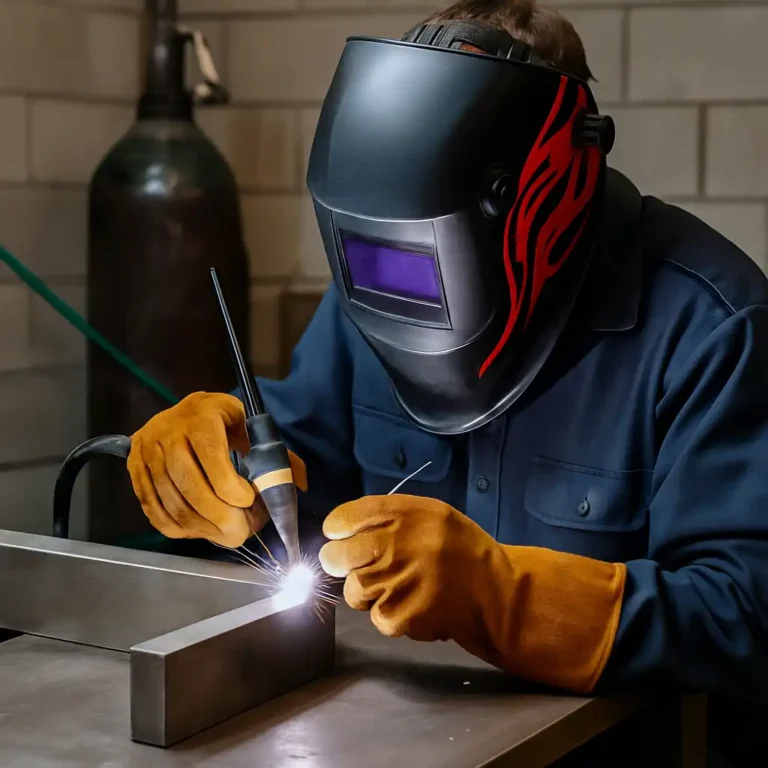
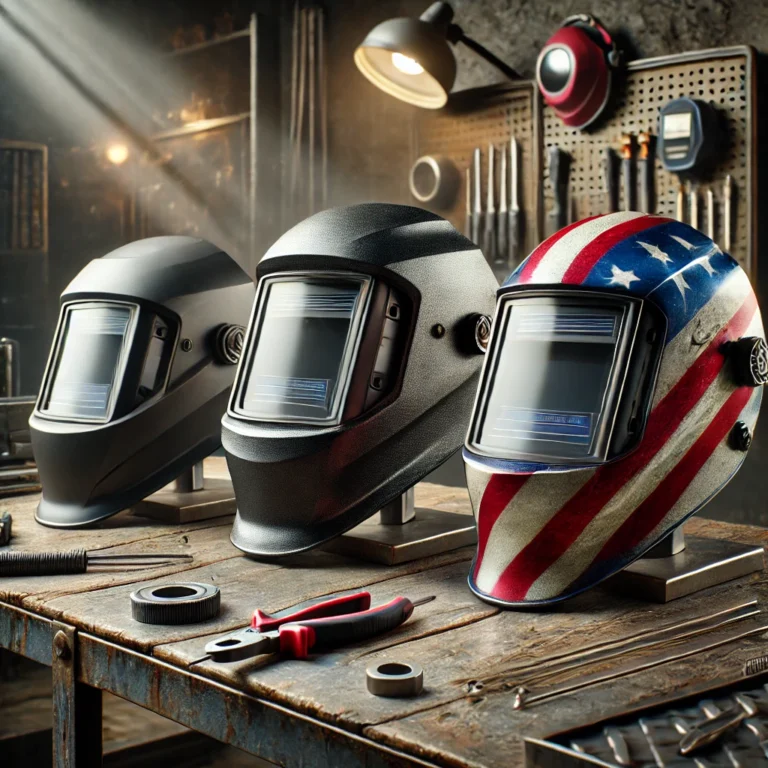
Cheap welding helmets are everywhere, and the price difference can be tempting—especially for beginners or hobby welders. Many low-cost models advertise auto-darkening lenses, UV protection, and multi-process use at a fraction of the price of professional helmets.
The real concern isn’t whether cheap welding helmets function at all. It’s whether they provide consistent, repeatable protection every time you strike an arc. With welding, even small lapses in eye protection can add up over time.
👉 If you’re just getting started or comparing helmet options, our guide on best welding helmets for beginners explains what matters most when choosing safely.
🔍 What “Cheap” Means in Welding Helmets
A cheap welding helmet typically means an entry-level model built to hit a lower price point. These helmets often use fewer arc sensors, simpler electronics, and basic headgear components.
Low price alone doesn’t automatically make a helmet unsafe. It does mean there are trade-offs somewhere. Those trade-offs usually show up in arc detection consistency, optical clarity, or long-term durability.
Understanding where those compromises exist helps you decide whether a budget helmet fits your type of welding.
🔍 Safety Standards That Matter for Welding Helmets
Helmet safety is defined by certification, not marketing claims.
Welding helmets should meet ANSI Z87.1 impact standards and provide continuous UV and infrared protection. Certified auto darkening helmets are designed to block harmful radiation even if the lens electronics fail or the battery dies.
If a helmet lacks clear safety labeling or documentation, that’s a warning sign regardless of how inexpensive it is.
🔍 Auto Darkening Reliability and Arc Detection
Auto darkening performance is the most common weakness in cheap welding helmets.
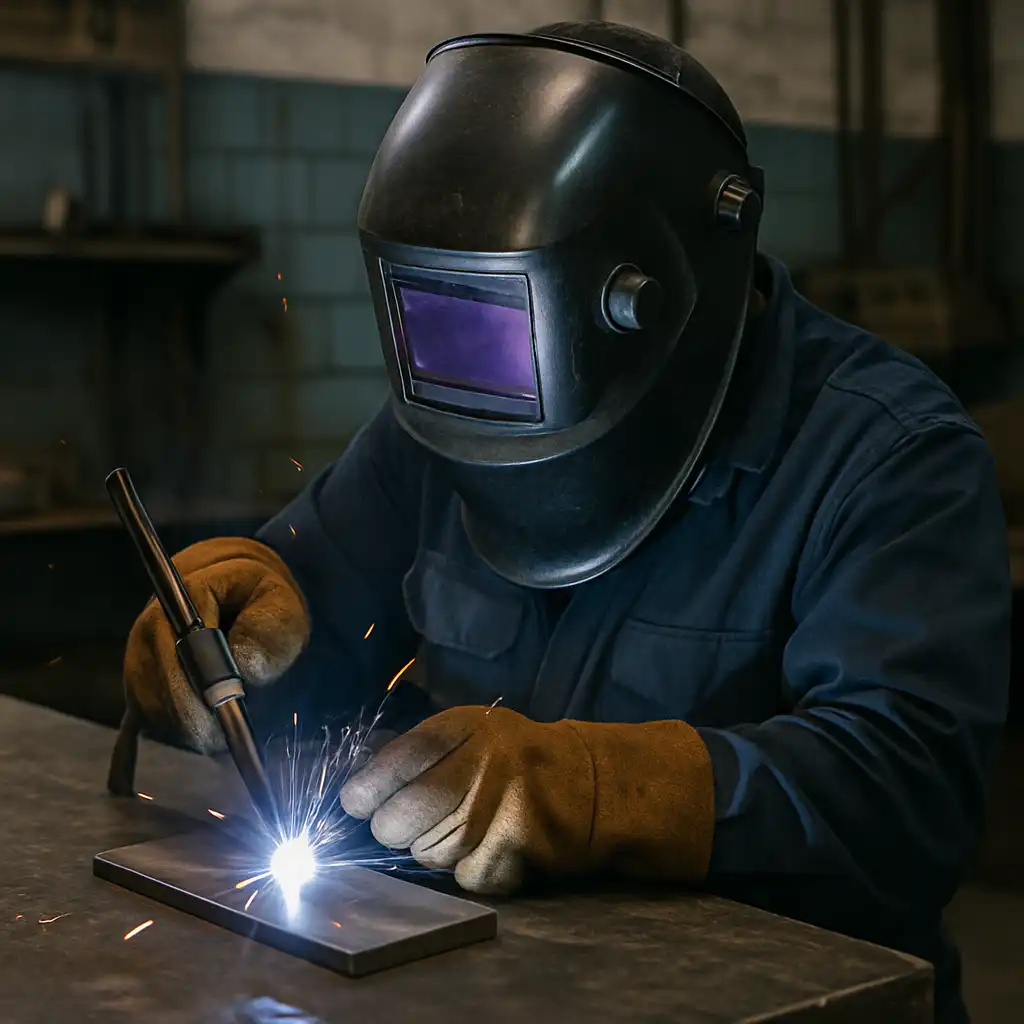
Lower-cost electronics may react more slowly or struggle to detect faint arcs. Flicker, delayed darkening, or missed detection are more likely, especially during low-amperage TIG welding.
For MIG or stick welding at higher amperage, many budget helmets perform acceptably. Problems tend to appear during precision work or longer sessions.
🔍 Optical Clarity and Eye Fatigue
Protection alone isn’t enough if you can’t see clearly.
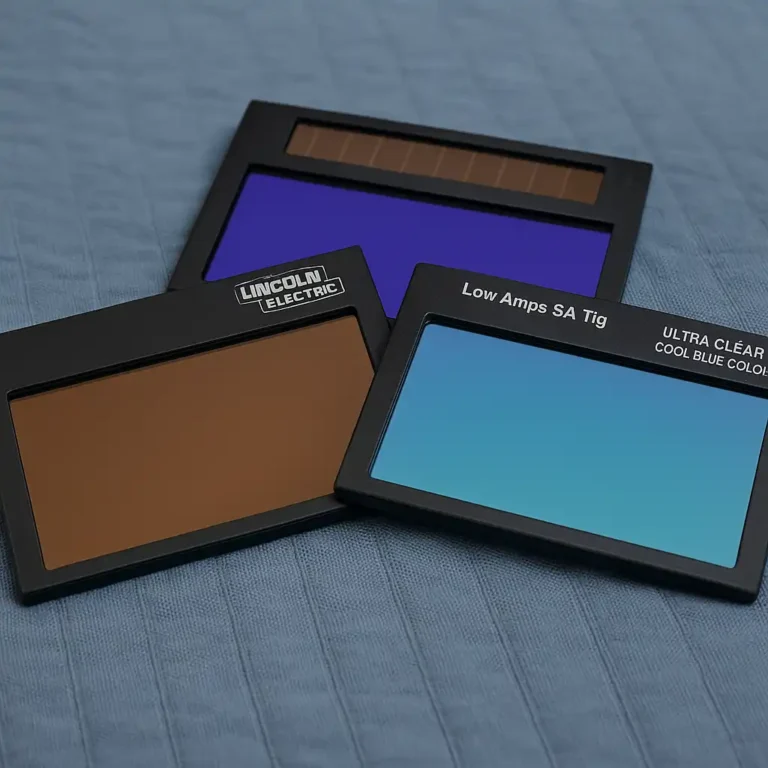
Cheaper lenses often have lower optical clarity ratings, which can reduce contrast and distort color. This makes it harder to see the weld puddle and increases eye strain during extended welding.
Poor visibility doesn’t just affect comfort. It can also impact weld quality and consistency.
🔍 When Cheap Welding Helmets Can Be Acceptable
There are situations where a budget helmet makes sense.
For occasional hobby use, tack welding, or short MIG or stick welds at moderate amperage, a certified budget helmet can offer basic protection. The key is verifying that it meets safety standards and performs reliably before depending on it.
These helmets are generally not ideal for daily shop use or precision TIG welding.
🔍 When Cheap Welding Helmets Become a Risk
Cheap helmets become risky when they’re pushed beyond their intended use.
Long welding sessions, low-amperage TIG work, overhead positions, or frequent starts and stops expose weaknesses in lens response and sensor coverage. Eye strain, flicker, or delayed darkening are signs the helmet may no longer be providing adequate protection.
At that point, the issue isn’t comfort anymore—it’s safety.
📌 Key Takeaways
- Cheap welding helmets aren’t automatically unsafe
- Safety certification matters more than price
- Inconsistent auto darkening is the biggest concern
- Lower optical clarity increases eye fatigue
- Budget helmets are best suited for light, occasional welding
🟢 FAQs
Q: Do cheap welding helmets still block UV and infrared light?
Most certified helmets do, even if auto darkening fails. Uncertified helmets may not provide full protection.
Q: Can beginners safely use cheap welding helmets?
Yes, for light welding, as long as the helmet is certified and performs consistently.
Q: Are expensive welding helmets always safer?
Not always, but higher-end helmets usually offer better optics and more reliable performance.
Q: Is arc eye caused only by helmet failure?
No. Poor fit, delayed darkening, or lifting the helmet too early can also cause arc eye.
✅ Conclusion
Cheap welding helmets can be safe in the right situations, but they offer far less margin for error. Certification, reliable auto darkening, and clear optics matter far more than price alone. For occasional welding, a budget helmet may be acceptable. For frequent or precision work, upgrading to a more dependable helmet helps protect your eyes and reduce long-term risk.