Best Welding Jackets for Safety, Comfort, and Everyday Shop Use
Disclosure: This post contains affiliate links. As an Amazon Associate, I earn from qualifying purchases—at no extra cost to you.
Last Updated: January 2026
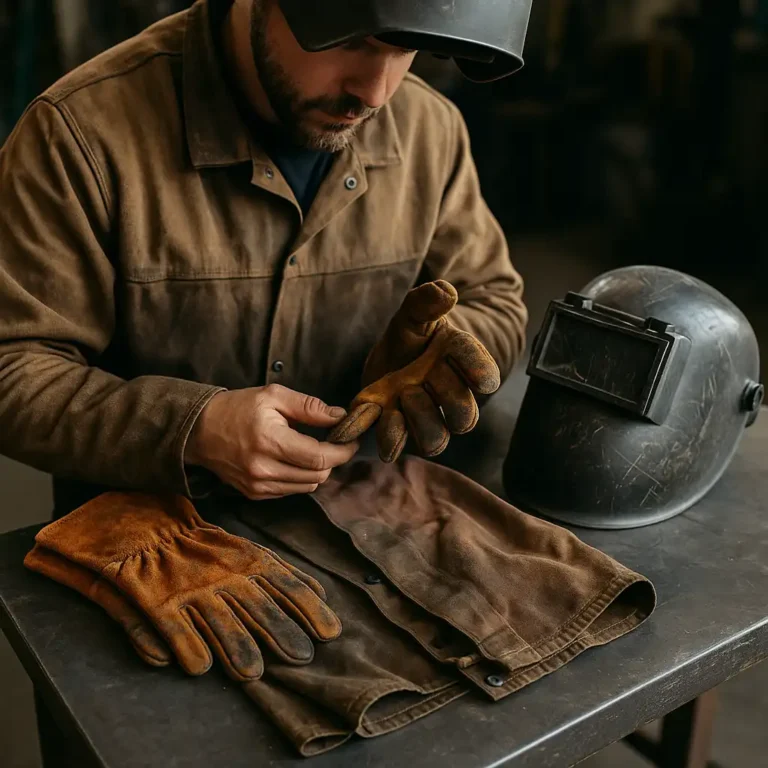
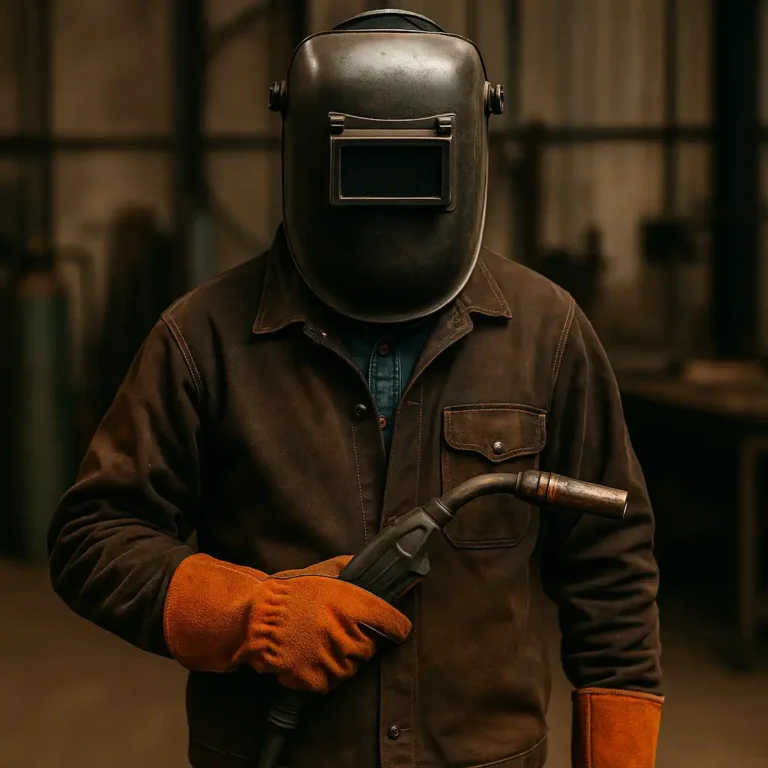
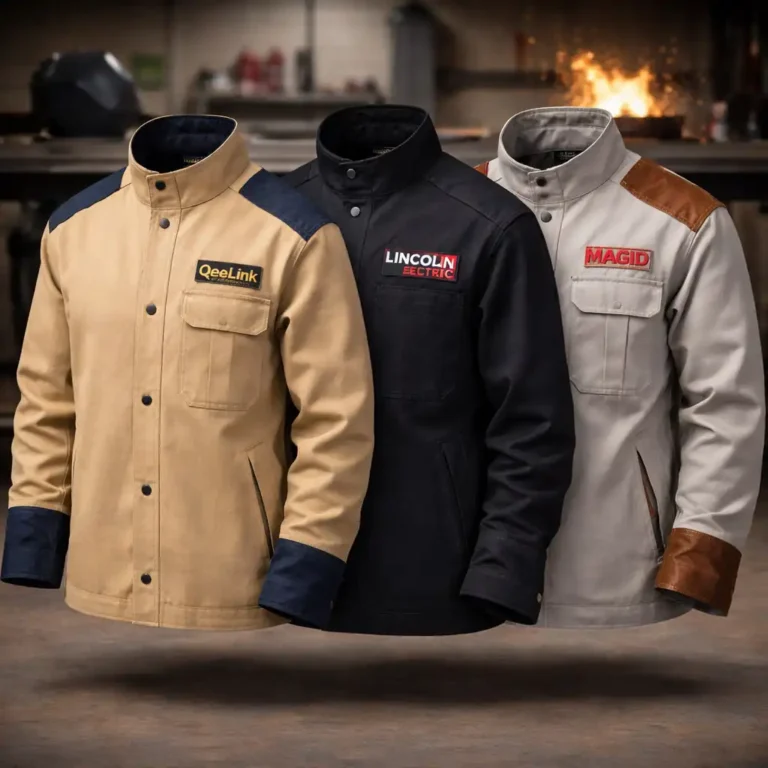
Welding helmets and machines often get the most attention, but welding jackets are what protect you through every minute under the hood. Sparks, spatter, heat, and UV exposure constantly hit your upper body, especially during long welds, overhead work, or heavy fabrication. When a jacket is too stiff, too hot, or not truly fire-resistant, it becomes a distraction instead of protection.
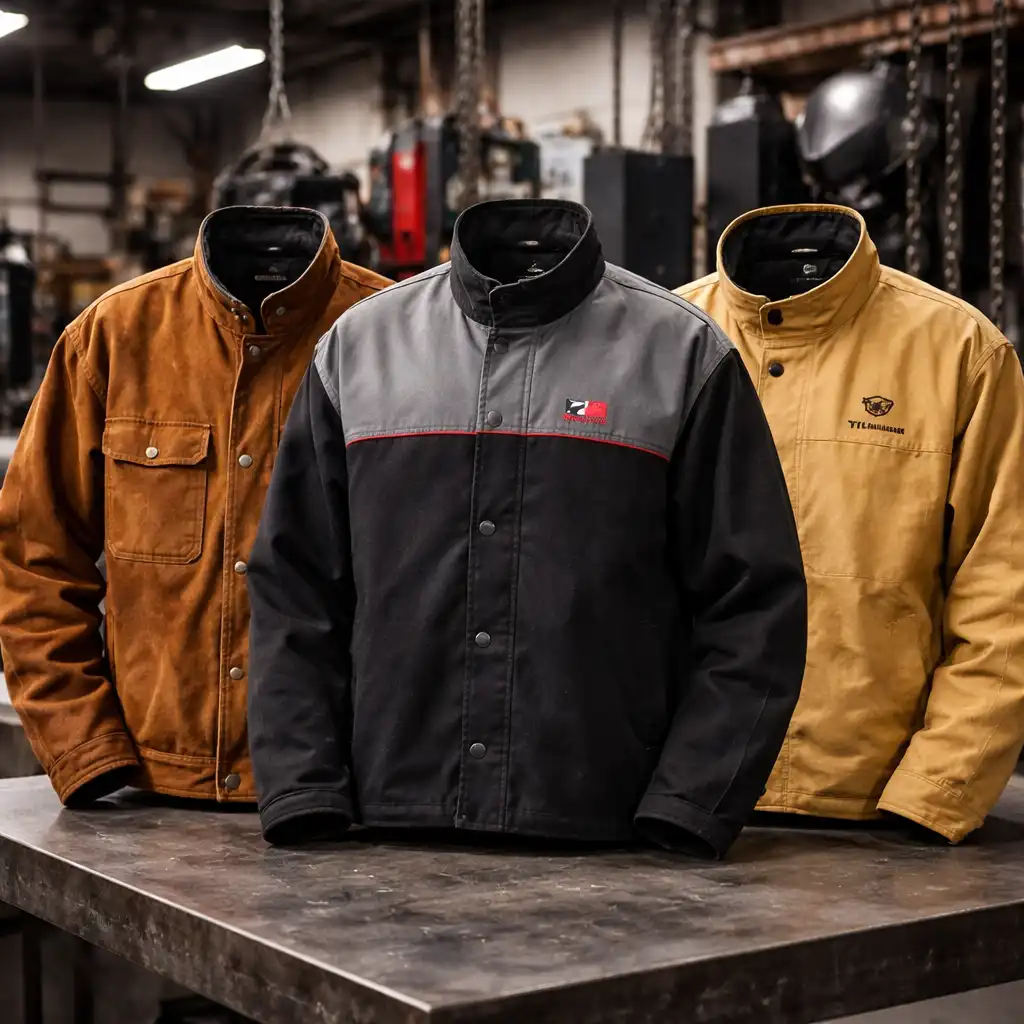
This hub brings together all of our in-depth guides on welding jackets and protective clothing in one place. The goal is to help you choose the right jacket based on how you weld, where you weld, and how much heat and spatter you’re dealing with. Whether you’re running MIG, TIG, or Stick, these resources focus on jackets that perform reliably in real shop conditions—not just on spec sheets.
🔍 Welding Jacket Materials & Protection Levels
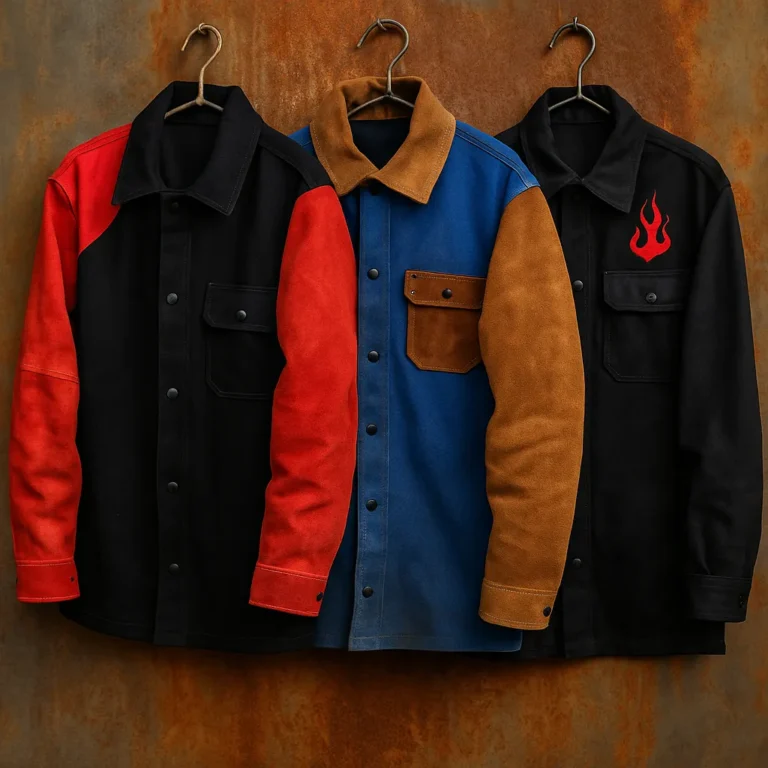
The material your welding jacket is made from has a direct impact on how it performs once the arc is lit. Leather, flame-resistant cotton, and hybrid designs each handle heat, sparks, and UV exposure differently. The right option depends on spatter intensity, welding position, and how long you’re working without a break.
These guides explain how welding jacket materials work and when each option makes sense:
- What Are Welding Jackets Made Of?
- Leather vs FR Welding Jackets
- Are Welding Jackets Fire Resistant?
- Best Leather Welding Jackets
- Best FR Welding Jackets
🔍 Choosing the Right Jacket for Heat & Comfort
Comfort becomes a safety issue once fatigue sets in. A jacket that’s too heavy or poorly ventilated can make long sessions exhausting, especially in warm shops or outdoor conditions. At the same time, going too light without proper protection increases burn risk.
These articles help match jacket weight, breathability, and coverage to real working environments:
🔍 Welding Jackets by Process & Use Case
Not every welding process produces the same heat or spatter. A jacket that works well for TIG welding may not hold up during heavy MIG or Stick work. Sleeve coverage, collar height, closures, and overall fit matter more as heat and sparks increase.
These guides focus on jackets that perform well for specific welding styles and workloads:
📌 Key Takeaways
- Welding jackets protect against sparks, heat, and UV exposure
- Material choice affects both safety and long-term comfort
- Lightweight jackets help reduce fatigue in hot environments
- Different welding processes require different jacket designs
- A properly chosen jacket improves focus and productivity
🟢 FAQs
Q: Do welding jackets always need to be fire-resistant?
Yes. Welding jackets should always be made from flame-resistant materials to prevent ignition and serious burn injuries.
Q: Is leather better than FR cotton for welding jackets?
Leather offers stronger protection against heavy spatter and high heat, while FR cotton is lighter and more breathable. The right choice depends on your welding process and environment.
Q: Are lightweight welding jackets safe to use?
Yes, when they’re properly rated. Lightweight FR jackets are safe for lower-spatter work and hot conditions when used as intended.
Q: Can you weld safely without a jacket?
No. Welding without proper upper-body protection increases the risk of burns, UV exposure, and long-term skin damage.
✅ Conclusion
Welding jackets are a core part of safe, consistent welding—not an optional accessory. The right jacket protects you from heat and sparks while keeping you comfortable enough to work longer without distraction. This hub ties together practical guides and buying advice so you can choose a welding jacket that fits your process, environment, and workload, whether you’re working in a fabrication shop or out in the field.