Is Welding Hard to Learn? Skill Expectations Explained
Disclosure: This post contains affiliate links. As an Amazon Associate, I earn from qualifying purchases—at no extra cost to you.
Last Updated: January 2026
Welding is often described as both approachable and technically demanding. For beginners, the real question is not whether welding is “hard,” but what factors influence how quickly someone can learn and apply welding skills safely and effectively.
Based on industry standards from the American Welding Society (AWS), manufacturer documentation, and aggregated training feedback, welding difficulty depends heavily on the process being learned, material type, and application requirements.
This guide explains how difficult welding is to learn, what beginners typically struggle with, and what expectations are realistic at different learning stages.
👉 If you are deciding which type of welder or process to start with, see best welding machines for broader context.
📋 How We Evaluate Learning Difficulty
This research-based guide draws from:
- AWS training and skill progression standards
- Manufacturer documentation and process guidelines
- Aggregated feedback from welding education programs
- Application-specific skill requirements across welding processes
We do not personally teach or test welding skills. All conclusions are based on documented standards and commonly reported learning patterns.
🔍 Why Welding Is Often Seen as Difficult
According to AWS training frameworks, welding requires the coordination of several skills at once:
- Hand-eye coordination
- Heat control and puddle observation
- Proper body positioning
- Consistent movement and timing
Unlike many tools, welding results are immediately affected by small changes in technique, which can make early mistakes more noticeable.
🔍 Which Welding Processes Are Easier to Learn
Learning difficulty varies significantly by process.
Based on AWS guidance and training documentation:
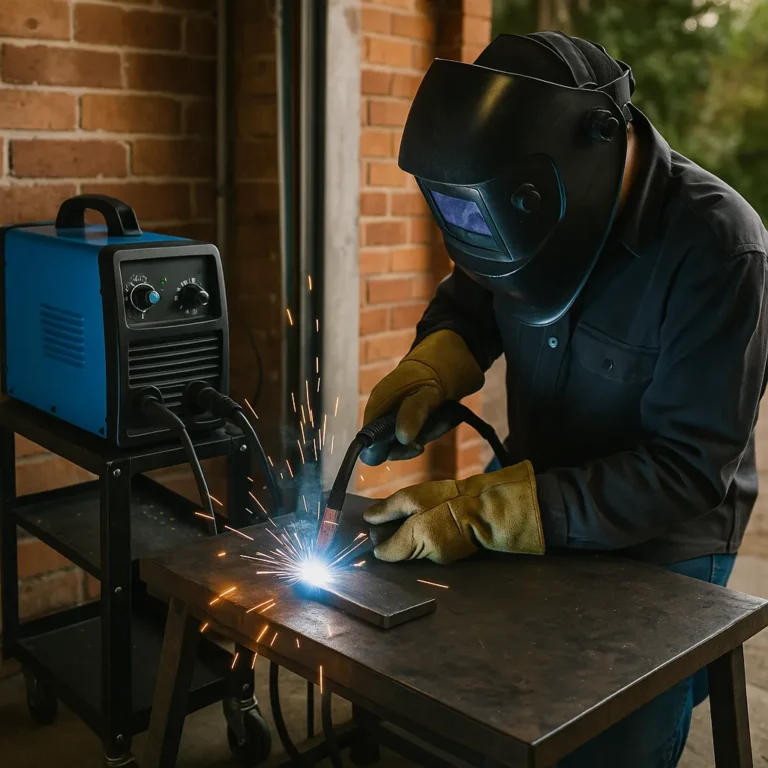
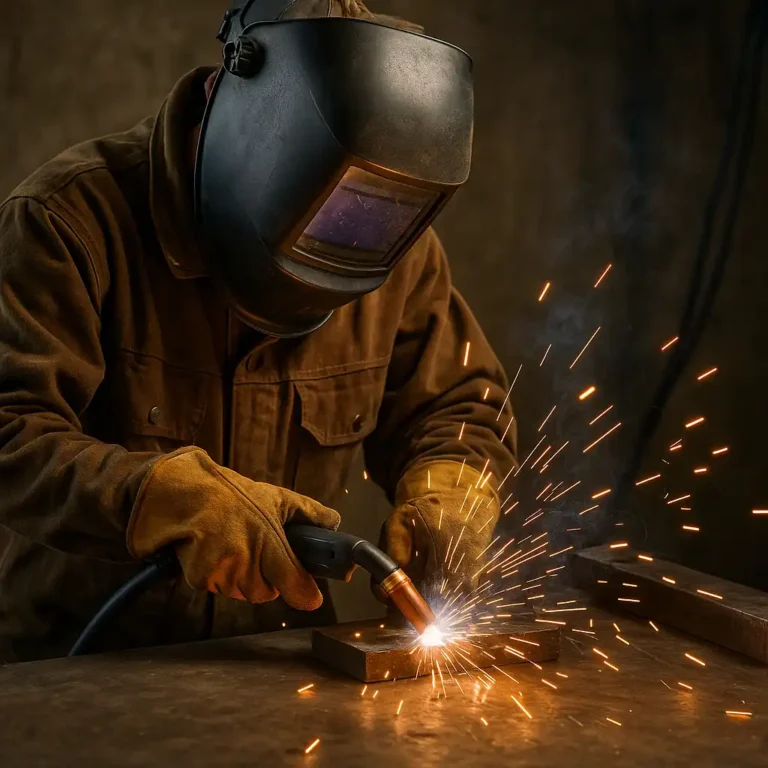
- MIG welding (GMAW) is widely regarded as the most accessible starting point due to stable arcs and simpler coordination
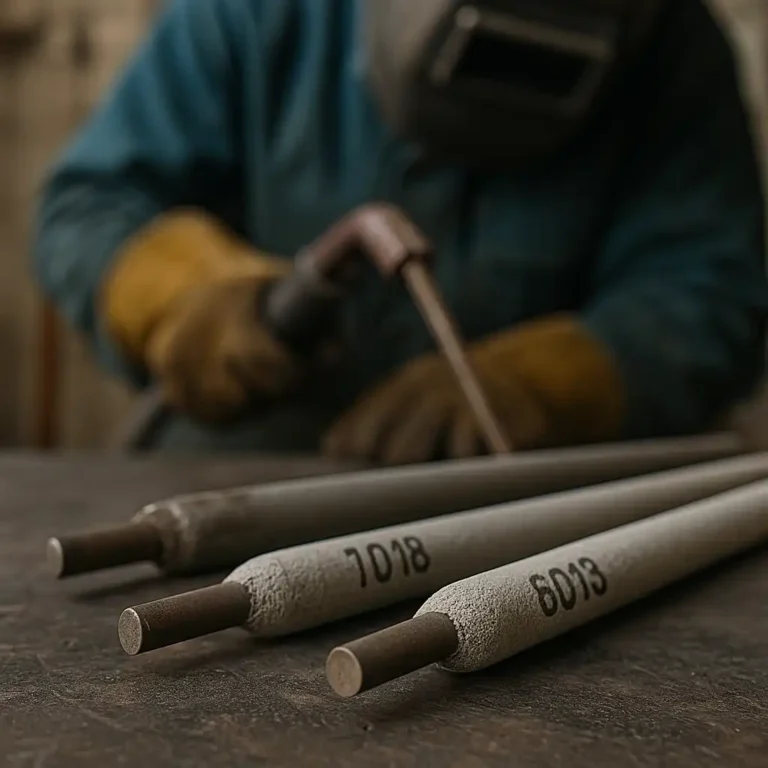
- Stick welding (SMAW) requires more practice controlling arc length and electrode angle
- TIG welding (GTAW) has the steepest learning curve due to manual filler control and precise heat management
Process choice plays a major role in how challenging welding feels to beginners.
🔍 Common Challenges Beginners Face
Documented training feedback highlights several recurring challenges:
- Maintaining consistent travel speed
- Preventing burn-through on thin material
- Managing slag or spatter depending on process
- Recognizing and correcting weld defects
These challenges are typical early in training and improve with structured practice and instruction.
🔍 How Long It Takes to Learn Basic Welding Skills
According to AWS-aligned training programs:
- Basic MIG welding skills may be developed within weeks of structured practice
- Stick welding proficiency often requires additional time to master positional control
- TIG welding skill development generally takes longer due to precision demands
Learning timelines vary depending on training quality, safety instruction, and practice conditions.
🔍 Welding Skill vs Certification
It is important to separate basic skill acquisition from certification.
AWS documentation distinguishes between:
- Learning to weld safely and consistently
- Qualifying to weld under specific codes or positions
Certification tests, such as positional or pipe welding qualifications, represent a higher skill benchmark than entry-level welding tasks.
🔍 Is Welding Hard Compared to Other Trades?
Compared to many hands-on trades, welding requires:
- More immediate precision
- Greater awareness of heat and material behavior
- Strict adherence to safety procedures
However, industry training data shows welding skills are progressively learnable with structured instruction and realistic expectations.
📌 Key Takeaways
- Welding difficulty depends on process, material, and application
- MIG welding is generally the easiest starting point
- TIG welding has the steepest learning curve
- Early challenges are common and expected
- Structured training significantly reduces learning difficulty
⚠️ Safety & Training Requirements
Welding involves significant electrical, fire, burn, and eye injury hazards. This guide provides general information only and does not substitute for:
- Proper welding training and certification
- Manufacturer safety instructions
- Electrical work performed by qualified electricians
- Appropriate personal protective equipment (PPE)
Consult certified welding instructors and follow all OSHA and AWS safety standards.
🟢 FAQs
Q: Is welding hard for beginners?
According to AWS training guidance, welding is manageable for beginners when starting with appropriate processes and structured instruction. Consult qualified professionals for personalized advice.
Q: Is TIG welding harder than MIG welding?
Yes. AWS documentation and training feedback indicate TIG welding requires greater coordination and precision compared to MIG welding. Consult qualified professionals for personalized advice.
Q: Can welding be self-taught?
While basic concepts can be learned independently, AWS and safety standards recommend formal instruction for safe and correct technique. Consult qualified professionals for personalized advice.
✅ Conclusion
Based on AWS-referenced standards and industry training documentation, welding is not inherently difficult but does require coordination, practice, and proper instruction. Understanding which processes are easier to learn and setting realistic expectations helps beginners approach welding with confidence and safety.