What Is 6010 Welding Rod Used For? Applications and Limitations
Disclosure: This post contains affiliate links. As an Amazon Associate, I earn from qualifying purchases—at no extra cost to you.
Last Updated: February 2026
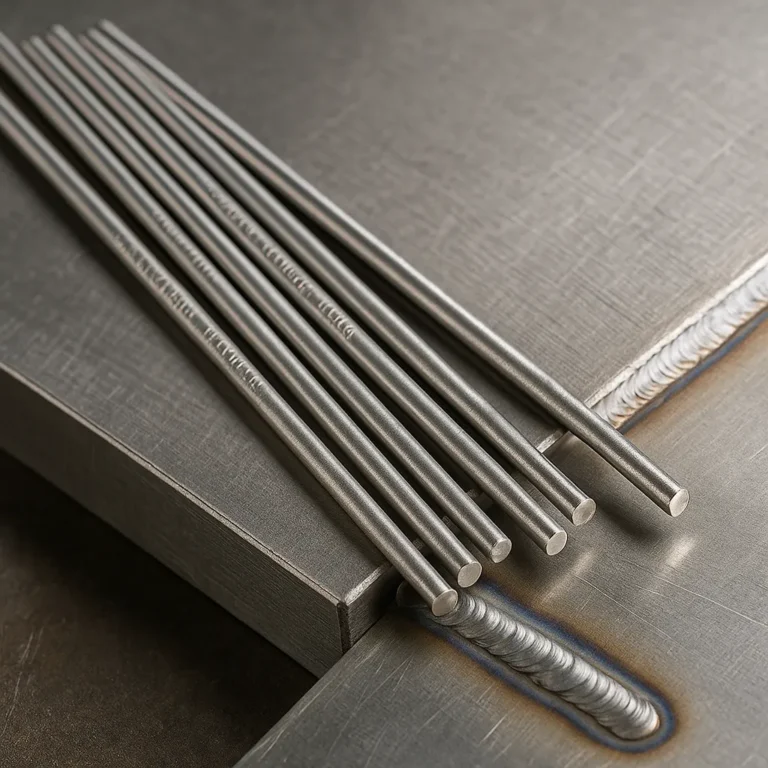
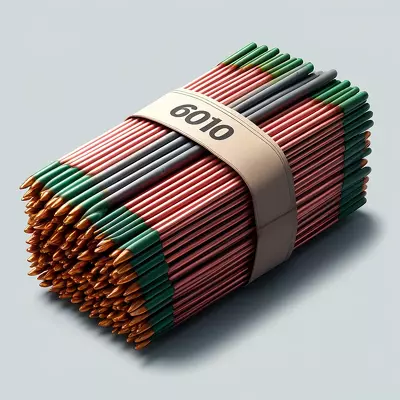
Understanding what a 6010 welding rod is used for helps clarify why this electrode remains common in pipe welding, field repairs, and structural work. Based on manufacturer specifications and AWS classifications, 6010 welding rods are cellulose-coated electrodes designed for deep penetration, aggressive arc force, and fast-freezing weld puddles. These characteristics make them suitable for challenging joint conditions where other rods may struggle.
This guide explains the primary uses of 6010 welding rods, where they perform best, and when other electrodes may be more appropriate.
👉 For broader electrode selection context, see our guide on best welding rods to understand how 6010 compares with other common stick electrodes.
📋 How We Evaluate Welding Rod Uses
This research-based guide evaluates welding rod applications using manufacturer technical specifications, AWS electrode classification standards, aggregated user feedback from verified purchasers, and application-specific welding requirements.
We do not personally test consumables. Use cases are derived from published standards, documented performance characteristics, and industry guidance. Always verify rod suitability for your materials, power source, and service conditions.
🔍 What Makes 6010 Welding Rod Different?
According to AWS classification, 6010 welding rods use a high-cellulose sodium coating. This coating produces a forceful arc and a fast-freezing weld puddle, allowing molten metal to solidify quickly even in open-root joints or vertical positions.
Manufacturer documentation notes that these characteristics give 6010 electrodes excellent penetration but result in rougher bead appearance and higher spatter compared to rutile or low-hydrogen rods.
🔍 Common Uses for 6010 Welding Rods
Based on manufacturer guidance and industry usage patterns, 6010 welding rods are commonly used in applications where penetration and arc control are more important than appearance.
Typical uses include open-root pipe welds, pipeline construction, structural steel work, field repairs, and welding over dirty, rusty, or painted steel. AWS standards often reference 6010 electrodes for root passes due to their ability to dig into base metal and establish strong fusion.
🔍 6010 Welding Rods in Pipe and Structural Welding
6010 rods are frequently selected for pipe welding and structural applications because their fast-freezing puddle supports vertical and overhead welding positions. Aggregated user feedback consistently highlights their suitability for root passes in groove welds, where complete penetration is required.
In many applications, 6010 is used for the initial pass, followed by other electrodes for fill and cap passes.
🔍 Power Requirements and Polarity
According to AWS classifications and manufacturer specifications, 6010 welding rods require DC+ (DCEP) polarity. This polarity provides the arc force necessary for deep penetration and stable arc performance.
Some inverter-based welding machines may not be capable of running 6010 electrodes effectively due to arc characteristics. Verifying machine compatibility is essential before selecting this rod.
🔍 When 6010 Welding Rod Is Not Ideal
While versatile, 6010 welding rods are not suitable for every application. AWS guidance indicates they are not ideal for clean fabrication work where smooth bead appearance is important, nor for applications requiring low hydrogen control.
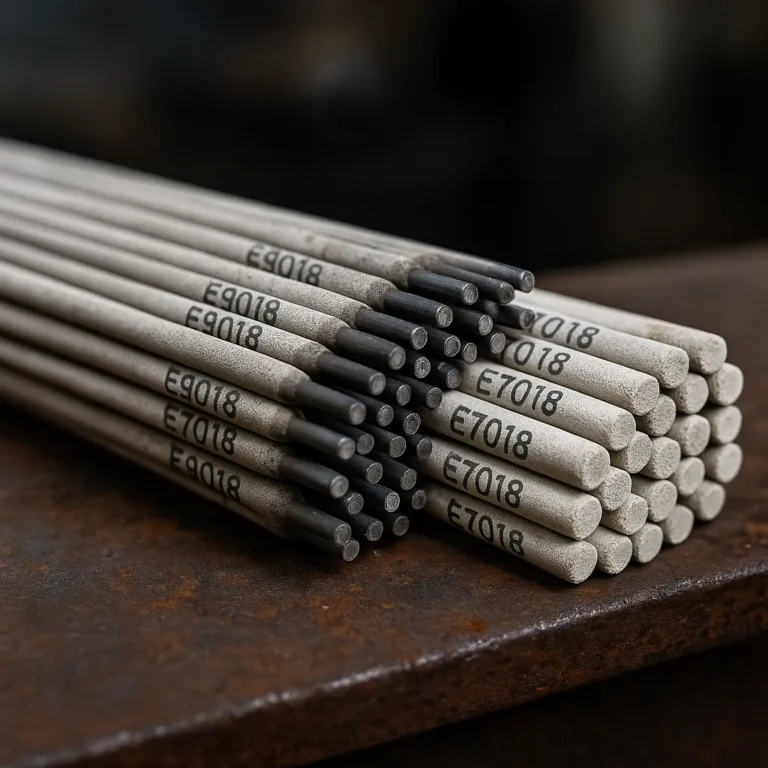
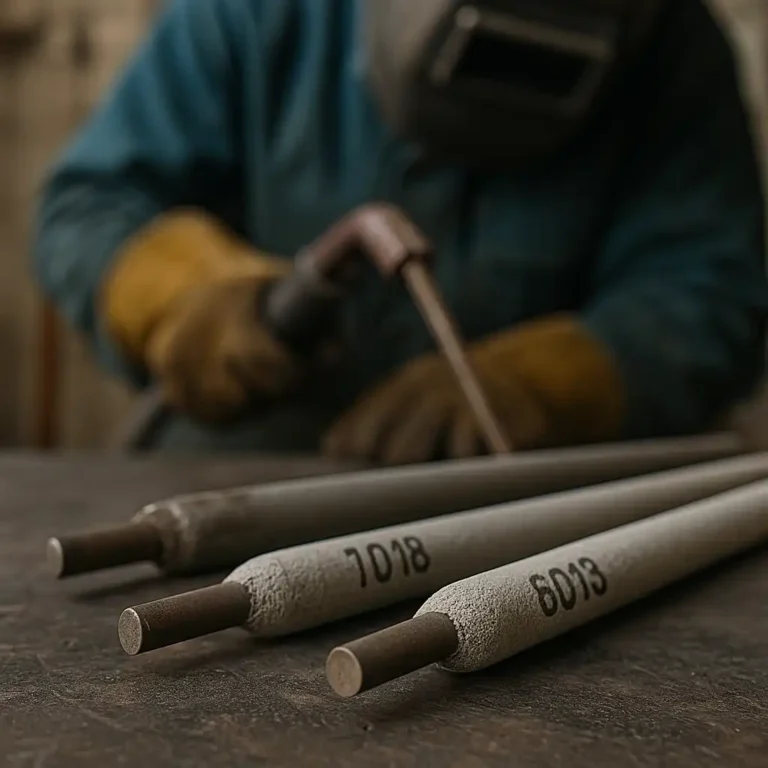
For clean structural welds, low-hydrogen electrodes such as 7018 may be more appropriate. For light fabrication or sheet metal, rutile-coated rods like 6013 are often preferred.
📌 Key Takeaways
- 6010 welding rods are designed for deep penetration.
- They are commonly used for open-root and pipe welding.
- Fast-freezing puddles support vertical and overhead positions.
- 6010 electrodes require DC+ polarity.
- AWS guidance supports their use in challenging joint conditions.
⚠️ Safety & Training Requirements
Welding involves significant electrical, fire, burn, and eye injury hazards. This guide provides general information only and does not substitute for proper welding training and certification, manufacturer safety instructions, electrical work performed by qualified electricians, or appropriate personal protective equipment (PPE).
Consult certified welding instructors and follow all OSHA and AWS safety standards.
🟢 FAQs
Q: Is 6010 welding rod good for beginners?
According to manufacturer guidance and user feedback, 6010 welding rods can be challenging due to aggressive arc behavior and fast-freezing puddles. Consult qualified professionals for personalized advice.
Q: Can 6010 welding rod be used on rusty metal?
Manufacturer data indicates that 6010 electrodes are more tolerant of surface contamination than many other rods. Consult qualified professionals for personalized advice.
Q: Why does 6010 welding rod require DC+ polarity?
AWS documentation specifies DC+ polarity to achieve proper arc force and penetration. Consult qualified professionals for personalized advice.
✅ Conclusion
Based on manufacturer specifications, user feedback, and AWS standards, 6010 welding rod is used primarily for applications requiring deep penetration and strong root fusion, such as pipe welding, structural work, and field repairs. While not ideal for appearance-focused or low-hydrogen applications, 6010 remains a critical electrode for challenging joint conditions when selected and applied correctly.